
The Iran Decision Crossroads: How Trump's Stance Could Shake Global Markets
As President Donald Trump edges closer to a decisive moment on Iran, the stakes for global markets have never been higher. With negotiations in Oman inching forward under a 60-day deadline and the threat of military action looming, the outcome could reshape oil prices, defense spending, and regional stability. Investors are bracing for volatility as the U.S. tightens its “maximum pressure” strategy, leaving little room for miscalculation.
The Clock Is Ticking
The April 12 talks in Oman marked the start of a high-wire act for Trump. While the U.S. demands Iran dismantle its entire nuclear infrastructure—including advanced centrifuges and enriched uranium stockpiles—Iran has refused to budge, framing its program as a sovereign right. With a 60-day window to reach a deal, failure could trigger a cascade of events: a U.S. military strike, a snapback of pre-2015 sanctions in October, or Iran’s potential withdrawal from the Nuclear Non-Proliferation Treaty.
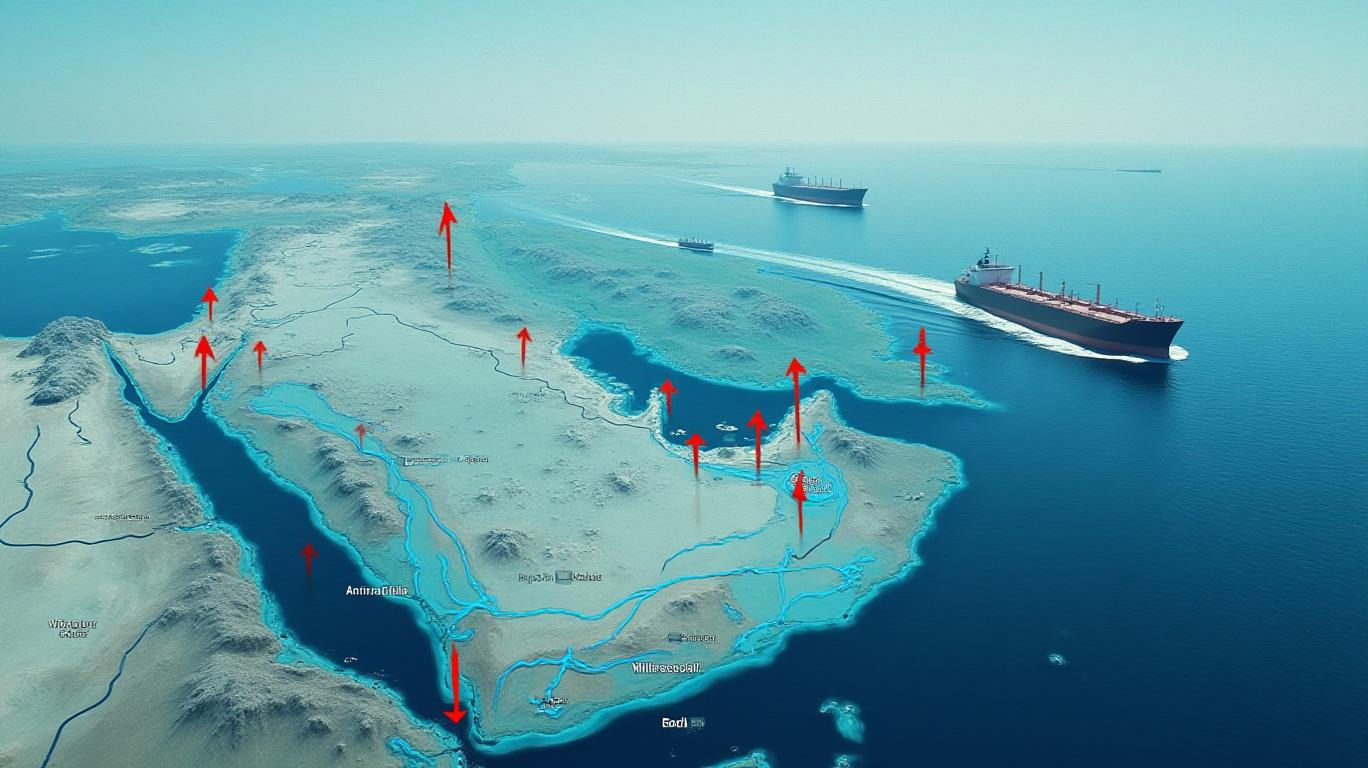
The timeline is critical. If talks collapse by mid-June, the U.S. and its European allies will have until October to decide whether to re-impose sanctions that could choke off Iran’s oil exports. This creates a “wait-and-see” period for markets, but the risk of escalation is ever-present.
Oil Markets: A Volatile Wildcard
Iran’s oil exports, already constrained by existing sanctions, could face further collapse if the U.S. and allies re-activate pre-JCPOA measures. The country’s 2.5 million barrels per day of exports—roughly 2.5% of global supply—are a lever for geopolitical brinkmanship.
Analysts warn of a potential $10–$15 per barrel spike in oil prices if supply disruptions materialize, benefiting majors like Exxon (XOM) and Chevron (CVX) but squeezing energy-intensive industries. Meanwhile, alternative suppliers such as Saudi Arabia and Russia may scramble to fill gaps, but infrastructure constraints could limit their agility.
Defense Stocks: Betting on the Military Option
The Pentagon’s recent moves—including deploying B-2 bombers and a second carrier strike group to the region—have sent ripples through defense contractors. Investors are pricing in the possibility of a prolonged military engagement, with firms like Lockheed Martin (LMT) and Northrop Grumman (NOC) poised to benefit from increased spending on munitions and surveillance systems.
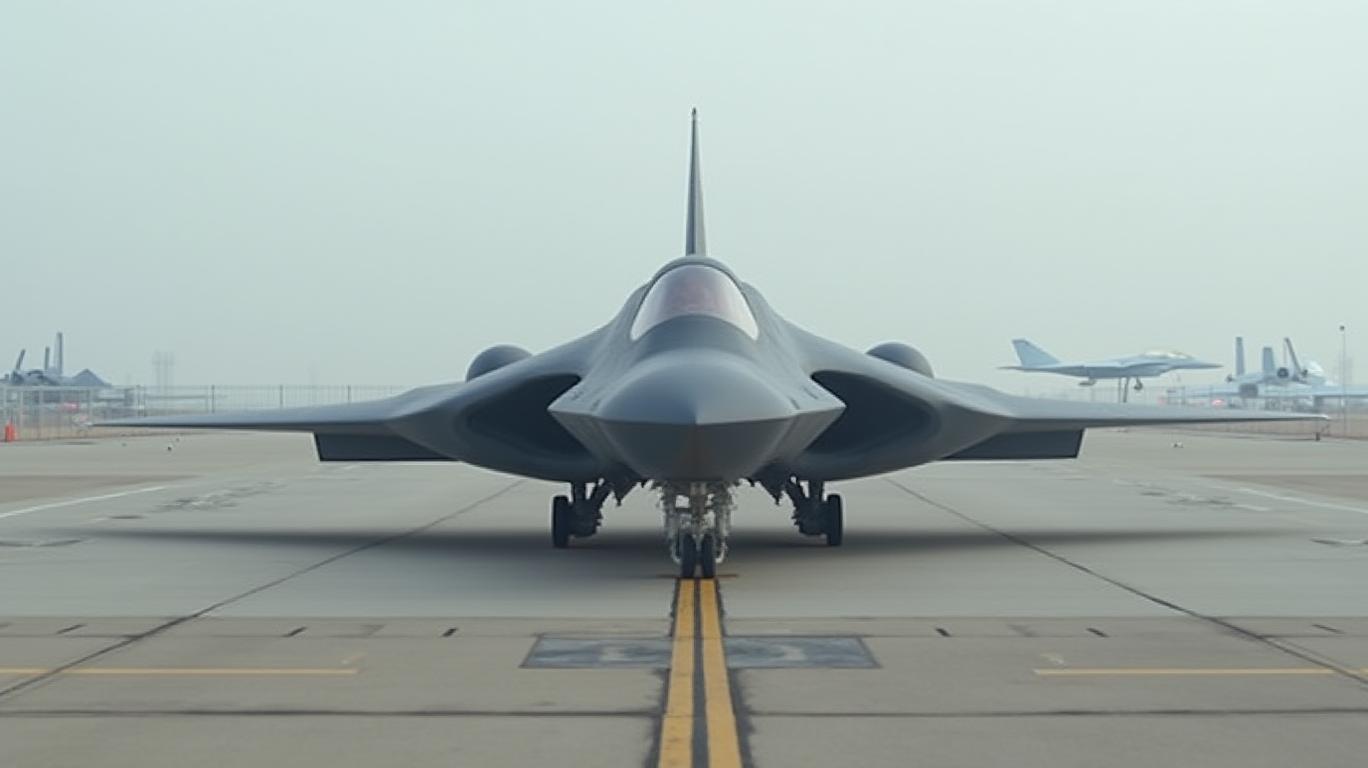
However, the sector’s gains depend on whether the U.S. actually launches strikes. A diplomatic breakthrough could reverse this trend, leaving defense stocks vulnerable to profit-taking.
The Geopolitical Domino Effect
Beyond energy and defense, the Iran imbroglio threatens regional stability. A military strike could provoke Iranian retaliation against shipping lanes in the Strait of Hormuz or cyberattacks on critical infrastructure, rattling global supply chains. Meanwhile, European allies—already wary of U.S. unilateralism—are torn between supporting sanctions and protecting their trade ties with Iran.
The International Atomic Energy Agency’s reports are a key indicator: Iran’s uranium enrichment has reached 60% purity, a threshold that could accelerate weapons-grade production if unchecked. This technical milestone underscores the urgency of the talks and the risks of inaction.
Data-Driven Risks and Opportunities
- Sanctions Impact: Iran’s oil exports have fallen to 500,000 bpd since 2024, according to OPEC data. A full snapback could drop this to near-zero.
- Military Budgets: U.S. defense spending on the Middle East surged 18% in 2024, per Pentagon figures, with 2025 allocations pending.
- Geopolitical Sentiment: The CBOE Volatility Index (^VIX) spiked 20% during prior Iran-U.S. confrontations, signaling investor anxiety.
Conclusion: Navigating the Crossroads
Investors face a binary outcome: a deal that eases tensions or a conflict that sends markets into turmoil. A diplomatic resolution could unlock a 5–10% rebound in oil stocks and ease geopolitical risk premiums. Conversely, a breakdown would likely boost defense shares but hammer global equities and commodities.
The critical junctures—June’s 60-day deadline and October’s sanctions snapback—are non-negotiable markers. With Iran’s uranium stockpiles nearing weapons-grade thresholds and U.S. military assets primed, the path to resolution is fraught.
For now, investors should hedge against volatility by diversifying into safe havens like gold (GC=F) while monitoring the IAEA’s enrichment data and U.S. military deployments. The Iran decision isn’t just a geopolitical gamble—it’s a high-stakes bet on the global economy’s future.
The world holds its breath as Trump’s deadline approaches. The market’s verdict hinges on whether diplomacy prevails—or if the next chapter in this saga is written in the skies over the Persian Gulf.







Comentarios
Aún no hay comentarios