
Iran’s Currency, Stocks Climb as US Nuclear Talks Resume – A Fragile Dawn for Economic Recovery?
The resumption of U.S.-Iran nuclear talks in April 2025 has injected a cautious dose of optimism into Iran’s financial markets, with the rial and Tehran Stock Exchange (TSE) staging sharp gains amid hopes of sanctions relief. However, the rally remains fragile, resting on the precarious balance between diplomatic progress and the enduring risks of geopolitical escalation. Let us dissect the market dynamics, underlying risks, and what investors must watch next.
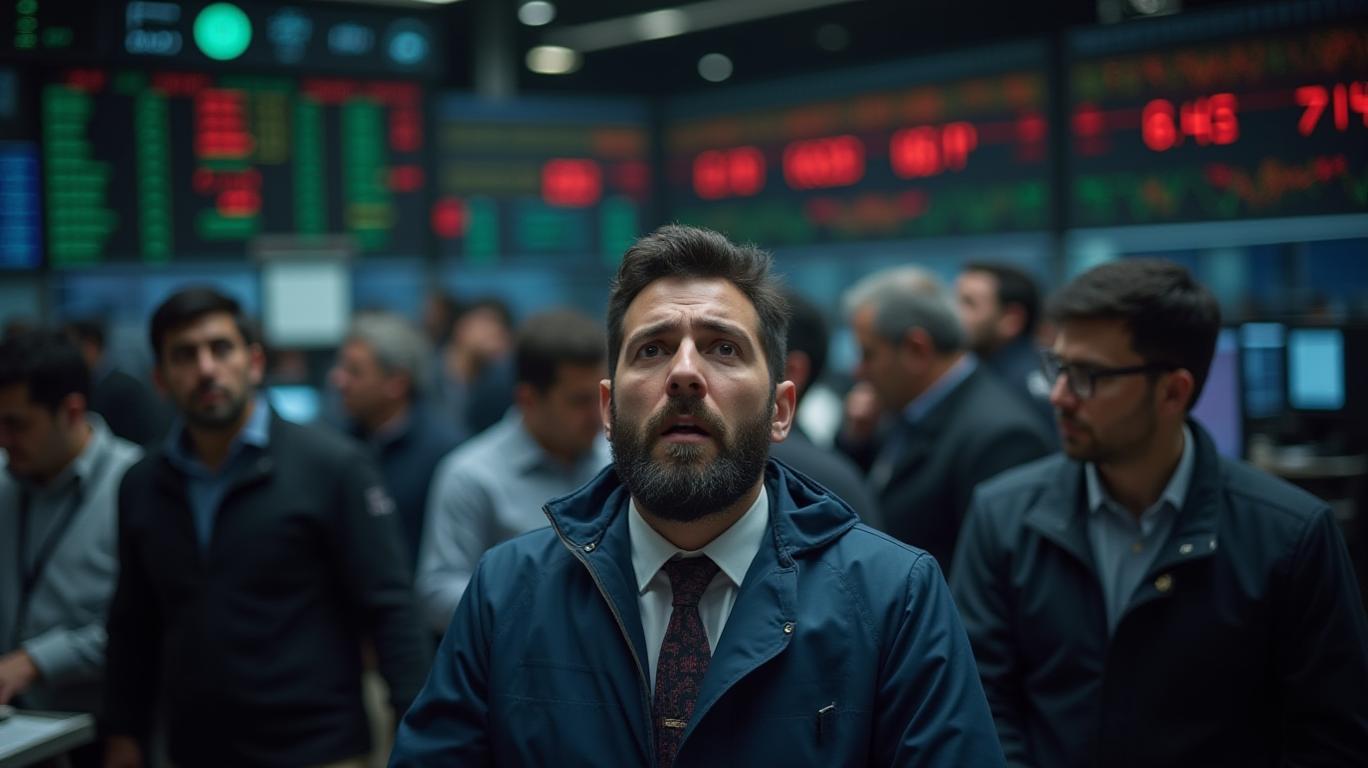
The Rial’s Rally: A Mirror of Diplomatic Hope
The Iranian rial surged 15% against the U.S. dollar in April, climbing to 420,000 rials per dollar from a record low of 495,000 in March. This rebound reflects reduced fears of a prolonged impasse in the nuclear talks and expectations of phased sanctions relief. .
Yet, the currency’s gains are far from sustainable without concrete progress. Analysts note that the rial’s stability hinges on three pillars:
1. Sanctions Easing: Removal of U.S. oil and banking sanctions, which currently strangle Iran’s energy exports and foreign reserves.
2. Uranium Deal: A compromise on Iran’s 60%-enriched uranium stockpile, which the U.S. demands be reduced to non-weapons-grade levels.
3. IAEA Access: Resolution of disputes over international inspectors’ access to Iranian nuclear sites, critical for verifying compliance.

Stock Market Surge: Betting on the "What If"
The Tehran Stock Exchange’s benchmark index jumped 10% in April, with energy and banking stocks leading the charge. . Investors are pricing in scenarios where sanctions relief could unlock $10 billion in frozen oil revenues and reopen Iran’s banking system to global transactions.
However, the rally is disproportionately skewed toward short-term sentiment. Longer-term challenges persist:
- Structural Weaknesses: Iran’s economy faces 40% inflation, crumbling infrastructure, and capital flight exacerbated by years of sanctions.
- Political Volatility: Ayatollah Khamenei’s cautious stance and U.S. President Trump’s two-month deadline for a deal add layers of uncertainty.
Geopolitical Risks: A Sword of Damocles
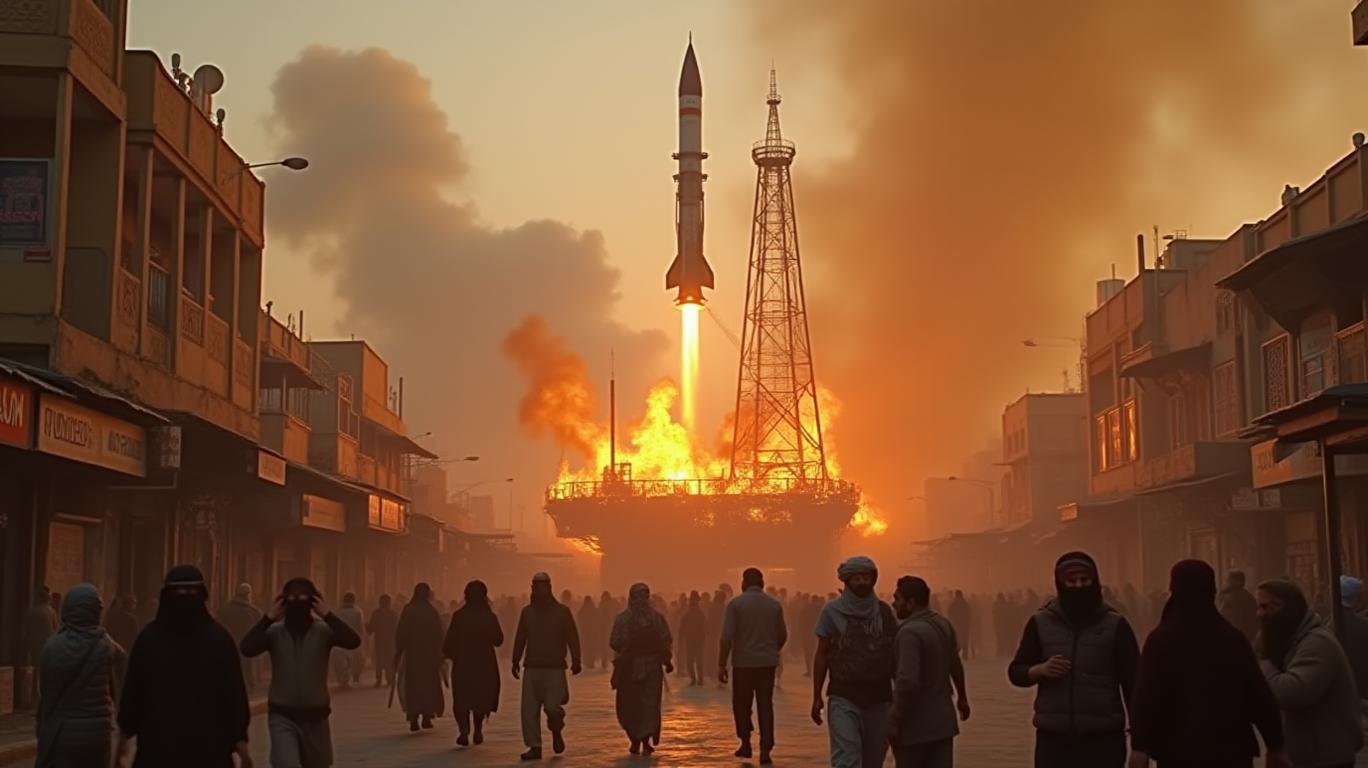
While markets cheer diplomatic thaw, the shadow of conflict looms large. Israel’s threat of unilateral strikes on Iranian nuclear sites and regional proxy wars in Syria and Yemen could derail talks. A underscores how even a minor escalation could trigger a sell-off.
The U.S. military option remains a wildcard. Trump’s warning of force by mid-June 2025 creates a high-stakes timeline. If talks collapse, the rial could plummet back below 500,000 per dollar, while the TSE might lose half its April gains overnight.
Conclusion: Fragile Markets, Fragile Hopes
Iran’s financial markets are dancing on the edge of a diplomatic tightrope. The rial and TSE’s April gains reflect pent-up demand for stability but lack the substance of a durable recovery.
Key Data-Driven Takeaways:
- The rial’s 15% rebound since April 19 aligns with the first round of talks, but its value remains 70% lower than pre-sanctions levels.
- The TSE’s 10% rally in April contrasts sharply with a 40% decline in 2024 amid escalating tensions.
- Iran’s oil exports, currently at 500,000 barrels per day (a fraction of pre-2018 levels), could jump to 2 million bpd if sanctions are lifted—a potential $10 billion windfall annually.
For investors, the path forward is fraught with asymmetric risks. Bulls bet on a deal unlocking Iran’s $500 billion economy, while bears warn of a repeat of the 2015 JCPOA collapse, which saw the rial lose 30% of its value within months.
The markets’ verdict? A cautious thumbs-up—for now. But as the clock ticks toward June’s deadline, the difference between a historic deal and a market rout could hinge on a single sentence in the next round of talks.







Comentarios
Aún no hay comentarios