
Investor Risk Management Amid Quanex's Litigation Storm: Navigating Governance and Valuation Implications
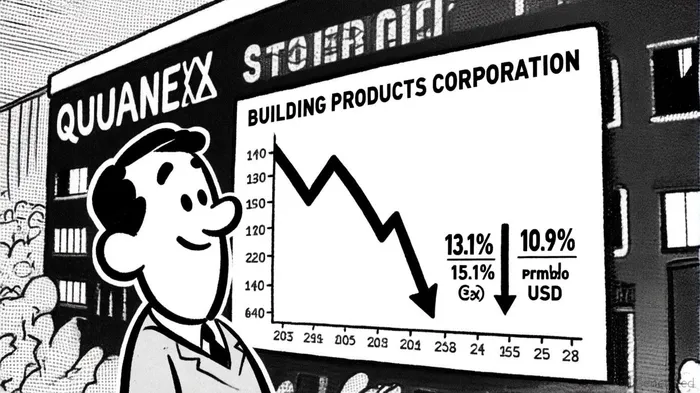
The recent securities class action lawsuits against QuanexNX-- Building Products Corporation (NYSE: NX) have thrust the company into a legal and reputational crossfire, raising critical questions for investors about risk management, corporate governance, and long-term valuation resilience. According to a report by Scott+Scott, the lawsuits allege that Quanex and its executives failed to disclose "catastrophic" operational deficiencies at its Tyman facility in Mexico, including underinvestment in tooling and equipment maintenance, which led to a $5 million EBITDA headwind in Q3 2025 and a 13.1% stock price plunge on September 5, 2025 [1]. This case underscores the broader implications of securities fraud litigation on market dynamics and governance reforms.
Historical Precedents and Market Sentiment
Historical data reveals that securities class actions typically trigger severe short-term market reactions. A Harvard Corporate Governance study notes that firms facing such lawsuits experience an average abnormal return drop of 12.3% within 20 days of filing [2]. Quanex's 23% two-day stock decline aligns with this pattern, suggesting the market has already priced in significant downside risk. However, the long-term impact remains contingent on corporate reforms and litigation outcomes. For instance, Wells Fargo's $100 million settlement and governance overhauls post-scandal eventually restored investor confidence, albeit after years of reputational damage [3]. Quanex's current institutional ownership of 99.88% [4] indicates that major stakeholders retain faith in its long-term prospects, but retail investors may face prolonged volatility.
Financial and Operational Vulnerabilities
Quanex's Q3 2025 earnings report exposed the operational fallout from the Tyman facility's mismanagement. CEO George Wilson admitted that maintenance systems were "near nonexistent," forcing costly repairs and delaying integration benefits [5]. While the company has not disclosed specific litigation reserves, its net loss of $276.01 million in Q3 2025 [6] highlights the magnitude of its challenges. Analysts at Rosen Law Firm caution that potential settlements could further strain liquidity, particularly if the case proceeds to trial [7].
Corporate governance reforms, though emphasized in Quanex's public statements, lack concrete details. The company's commitment to "unimpeachable integrity" [8] contrasts with its recent disclosures, raising questions about the efficacy of its internal controls. Past governance upgrades, such as annual director elections, may not suffice to rebuild trust without transparent, actionable reforms [9].
Strategic Entry/Exit Points for Value-Conscious Investors
For investors considering Quanex, the key lies in balancing short-term risks with long-term catalysts. The stock's 49.76% annual decline [4] presents a potential value opportunity, but only if the company can execute its Tyman integration successfully and implement credible governance reforms. Analysts at Block & Leviton note that Quanex's forward dividend yield of 2.27% [4] offers some income security, though dividend sustainability remains tied to operational recovery.
A strategic exit point may emerge if the stock fails to rebound above its 200-day moving average by Q1 2026, signaling prolonged investor skepticism. Conversely, a successful resolution of the litigation—whether through a favorable settlement or dismissal—could catalyze a rebound, particularly if the company demonstrates improved operational efficiency. The November 18, 2025 deadline for lead plaintiff filings [1] adds a near-term layer of uncertainty, warranting caution until the legal landscape stabilizes.
Conclusion
Quanex's litigation risks underscore the importance of rigorous due diligence in today's market. While historical precedents suggest that securities lawsuits can drive lasting governance improvements, the immediate financial and reputational toll on Quanex remains substantial. Investors must weigh the company's stated commitment to transparency against its operational track record and the potential costs of protracted litigation. For those with a long-term horizon, Quanex's undervalued metrics and strategic initiatives may justify a cautious bet—but only after robust legal and governance safeguards are evident.





Comentarios
Aún no hay comentarios