
Investor Risk Assessment in the Wake of the Coinbase Data Breach and $20M Ransom Demands
The May 2025 CoinbaseCOIN-- data breach, orchestrated through insider collusion and a $20 million ransom demand, has become a pivotal case study for investors evaluating cybersecurity risks in the cryptocurrency sector. This incident, which exposed sensitive user data and triggered significant market volatility, underscores the growing vulnerabilities of crypto platforms and the financial implications for stakeholders. By dissecting the breach's mechanics, Coinbase's response, and broader industry lessons, investors can better navigate the evolving risk landscape.
The Coinbase Breach: A Case of Insider Collusion
According to a report, the breach involved cybercriminals bribing overseas customer support contractors to access internal systems and extract user information. Affected data included names, contact details, partial Social Security numbers, masked banking data, and government ID images, though critical assets like private keys and login credentials remained secure. Notably, the breach did not involve traditional hacking but exploited social engineering tactics to coerce employees into divulging information. Approximately 69,461 customers were notified, representing less than 1% of Coinbase's monthly transacting users.
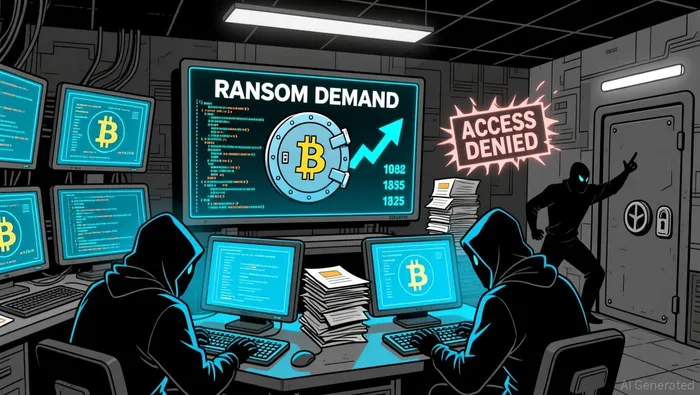
The attackers demanded a $20 million ransom in BitcoinBTC--, threatening to release the data publicly. Coinbase refused to pay, instead offering a $20 million reward for information leading to arrests and committing to reimburse affected customers who fell victim to subsequent scams. The company estimated its financial exposure from the incident between $180 million and $400 million, covering customer reimbursements and remediation efforts.
Market Reactions and Investor Sentiment
The breach immediately impacted Coinbase's stock price, which fell by 7% in the aftermath. This reaction highlights the sensitivity of investor confidence to cybersecurity incidents, particularly for firms like Coinbase preparing for inclusion in the S&P 500 index. analysis, the incident exposed weaknesses in insider threat detection and employee monitoring systems, raising concerns about the adequacy of existing security protocols.
Investors now face a dual challenge: assessing the financial resilience of crypto platforms and evaluating their cybersecurity preparedness. The breach demonstrated that even non-technical vulnerabilities-such as compromised internal access-can erode trust and trigger market volatility. For instance, the ransom demand and subsequent public relations efforts by Coinbase illustrate how companies must balance transparency with the risk of incentivizing future attacks.
Investor Risk Assessment Framework
To contextualize the financial implications, investors should consider three key factors:
Cybersecurity Infrastructure: Platforms must demonstrate robust insider threat detection, real-time endpoint monitoring, and rigorous employee vetting. Coinbase's post-breach investments in enhanced security protocols and relocated customer support operations aim to address these gaps.
Financial Exposure: The $180–400 million range estimated by Coinbase reflects the costs of customer reimbursements, legal liabilities, and reputational damage. Investors should scrutinize a company's contingency reserves and insurance coverage to gauge its ability to absorb such losses.
Regulatory and Reputational Risks: The breach has intensified regulatory scrutiny of crypto platforms, particularly regarding data protection and incident disclosure. emphasizes that reputational damage can persist long after technical fixes are implemented, affecting user retention and market share.
Broader Implications for the Crypto Industry
The Coinbase incident serves as a wake-up call for the industry. As noted by , the breach highlights the need for industry-wide collaboration on standards for employee vetting, threat detection, and user education. For investors, this means prioritizing platforms that proactively address insider risks and invest in adaptive security measures. Additionally, the ransom demand underscores the growing trend of cybercriminals leveraging extortion as a business model, a factor that could drive up insurance premiums and operational costs across the sector.
Conclusion
The Coinbase data breach and ransom demand exemplify the evolving nature of cybersecurity threats in the crypto space. For investors, the incident reinforces the importance of integrating cybersecurity risk assessments into due diligence processes. Platforms that fail to address vulnerabilities-particularly those related to insider threats-risk not only financial losses but also long-term erosion of trust. As the industry matures, investor confidence will increasingly hinge on a company's ability to balance innovation with ironclad security.





Comentarios
Aún no hay comentarios