
Investor Due Diligence in Exposure to Russian Cybercriminal Ecosystems
The intersection of geopolitics and cybercrime has become a critical risk factor for investors in the cryptocurrency sector. As Russian cybercriminal ecosystems evolve into sophisticated, state-tolerated infrastructure, their impact on crypto asset safety demands rigorous due diligence. This analysis examines how Russian cybercriminal operations-now deeply entwined with geopolitical strategy-pose systemic threats to digital assets and outlines actionable steps for investors to mitigate exposure.
The Evolution of Russian Cybercrime Infrastructure
Russian cybercriminal groups have transitioned from isolated actors to organized, infrastructure-driven networks. By 2025, these groups employ advanced techniques such as destructive malware, AI-integrated tools, and the Rust programming language to evade detection as reported in a 2025 analysis. For instance, malware now often encrypts and erases data, complicating incident response and attribution. This technical sophistication is compounded by the adoption of decentralized communication platforms, as highlighted in the Dark Covenant 3.0 report which reveals how cybercriminals are decentralizing operations to avoid international crackdowns.
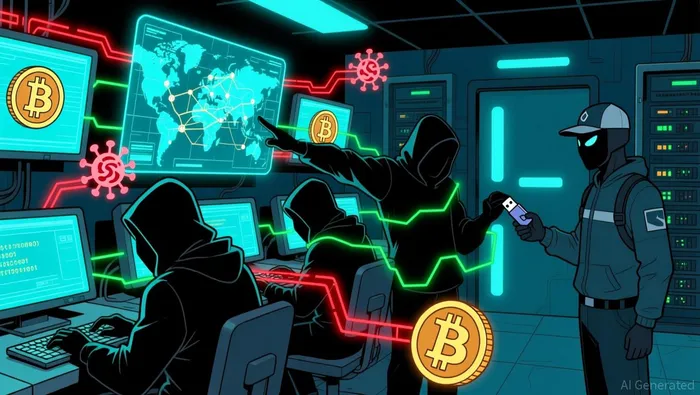 The cryptocurrency sector has become a prime target. A 2022 breach of LastPass, a password management service, saw stolen cryptocurrency laundered through Russian exchanges like Cryptex and Audi6 according to on-chain indicators. This underscores the systemic role of Russian-based infrastructure in facilitating crypto-related crime. Such operations are not isolated incidents but part of a broader ecosystem that leverages digital assets for financial gain and geopolitical leverage.
Geopolitical Implications and State Tolerance
Russia's approach to cybercrime has shifted from passive tolerance to active management. According to a report by BankInfoSecurity, the Kremlin now treats cybercriminal networks as "deniable instruments of influence," using them to signal geopolitical resilience under sanctions as detailed in a 2024 analysis. This strategy aligns with broader efforts to exploit global tensions, as seen in North Korea's financially motivated campaigns and Iran's retaliatory cyber operations according to Rapid7's 2024 report.
The 2024 Operation Endgame-a multinational effort targeting ransomware operators-forced Russian cybercriminals to rebrand and decentralize as reported in the Dark Covenant 3.0 analysis. However, Russian authorities selectively enforce laws against cybercriminals, prioritizing reputational management over dismantling networks that serve intelligence agencies as noted in a BankInfoSecurity report. This duality creates a paradox: while international pressure disrupts surface-level operations, the underlying infrastructure remains intact, enabling continued exploitation of crypto assets.
Investor Risks and Due Diligence Strategies
For investors, the risks are twofold: direct exposure to crypto asset theft and indirect exposure to geopolitical volatility. The U.S., U.K., and Australia's 2025 targeting of Russian bulletproof hosting provider Media Land, LLC-linked to ransomware groups like LockBit as reported by Chainalysis-demonstrates how infrastructure disruptions can ripple through the crypto ecosystem. However, such actions are reactive; proactive due diligence is essential.
1. Monitor Exposure to Russian-Linked Infrastructure
Investors should audit their crypto holdings for exposure to exchanges, wallets, or services tied to Russian cybercriminal ecosystems. For example, the LastPass breach revealed how stolen crypto is funneled through Russian exchanges according to on-chain indicators. Tools like blockchain analytics platforms can help trace transactions to high-risk jurisdictions.
2. Diversify Infrastructure and Custodianship Solutions
Relying on centralized custodians or exchanges in high-risk regions increases vulnerability. Investors should diversify custody solutions, using multi-signature wallets and decentralized finance (DeFi) protocols with transparent governance. This reduces reliance on infrastructure that may be compromised by state-tolerated cybercrime.
3. Integrate Geopolitical Intelligence
As noted in Palo Alto Networks' 2025 Geopolitical Cybersecurity Report, global tensions amplify cyber risks as detailed in a 2025 analysis. Investors must incorporate geopolitical intelligence into risk assessments, tracking how sanctions, diplomatic disputes, and cyber-escalation impact the crypto landscape. For instance, Russia's use of cybercrime to counter sanctions as reported in a BankInfoSecurity analysis suggests a heightened likelihood of targeted attacks on digital assets.
4. Advocate for Regulatory Clarity
Investors should support policies that mandate transparency in crypto transactions and infrastructure. The U.S. Treasury's targeting of Russian cybercrime infrastructure as reported by Chainalysis highlights the role of regulation in mitigating risks. Advocacy for global standards-such as OFAC's expanded crypto enforcement-can create a safer environment for digital assets.
Conclusion
The Russian cybercriminal ecosystem is no longer a peripheral threat but a central risk factor in the crypto investment landscape. Its evolution into a state-managed tool of geopolitical influence necessitates a paradigm shift in investor due diligence. By prioritizing infrastructure diversification, geopolitical intelligence, and regulatory engagement, investors can navigate the volatile intersection of cybercrime and digital assets. In 2025, the safety of crypto holdings depends not only on technical safeguards but on understanding the geopolitical forces that shape the very infrastructure underpinning the industry.





Comentarios
Aún no hay comentarios