
Investment Managers Take Wildfire Catastrophe Bonds Seriously
Wildfire catastrophe bonds are no longer seen as an untouchable risk category. Investment managers are increasingly allocating capital to these instruments, signaling a shift in how financial markets address natural disaster risks. This trend is being fueled by advances in modeling and the growing urgency of climate-related catastrophes.
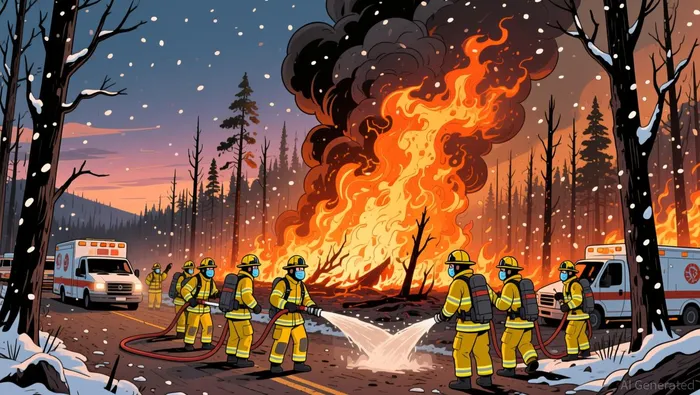
In 2025, more than $5 billion of cat bonds with wildfire exposure were issued, a more than double increase from 2024. This growth helped push total cat bond issuance to a record $23 billion in 2025, with the market projected to close the year at about $60 billion.
The shift is being led by alternative investment managers who are now viewing wildfire risk as a separate, standalone category, rather than bundling it with other perils such as earthquakes and hurricanes. Dirk Schmelzer, a senior fund manager at Plenum Investments AG, notes that the ferocity of wildfires has forced the insurance industry to rely more heavily on capital markets.
Why Did This Happen?
Wildfire bonds gained traction in large part due to developments in California, where back-to-back fire seasons have driven reinsurance costs to unsustainable levels. The January wildfires in Los Angeles alone destroyed more than 16,000 buildings and caused $40 billion in insured losses.
These events pushed global insured losses from natural disasters to exceed $100 billion in 2025. Yet, cat bond investors remained largely protected, with Fitch estimating total losses to be less than $250 million.
The insurance and reinsurance sectors are now actively exploring ways to offload wildfire risk to capital markets. This shift is driven by both necessity and opportunity, as traditional reinsurers face growing challenges in absorbing the magnitude of losses from increasingly frequent and severe disasters.
What Are Analysts Watching Next?
Improvements in modeling capabilities have played a crucial role in making wildfire bonds more attractive. Acrisure Re, a reinsurance broker, attributes the growing investor interest to these advancements, which have made it easier to assess and price risk.
However, the long-term success of wildfire cat bonds will depend on the frequency and severity of future fire events. Analysts are closely monitoring climate projections and regional policy responses, as these will influence the availability and pricing of risk transfer mechanisms.
Investors are also watching how insurers and utilities adapt their risk management strategies. The Los Angeles fires, for instance, underscored the importance of early intervention and risk mitigation. Insurers are now expanding their roles to include climate risk engineering, offering advice on building resilience and supply chain protection as these will influence risk transfer.
What Are the Implications for Markets?
The growing role of capital markets in wildfire risk transfer is expected to continue into the coming years. Catastrophe bonds are becoming a more attractive option for insurers seeking to diversify their risk exposure and reduce reliance on traditional reinsurance as market innovation continues.
Investment managers are also exploring new ways to structure cat bonds, with some suggesting that future offerings may include more tailored, region-specific instruments. This could make wildfire bonds more accessible to a wider range of investors while enhancing their effectiveness as risk-transfer tools as market innovation continues.
The shift in investor behavior is also prompting regulatory scrutiny. Authorities are beginning to assess the implications of capital market participation in catastrophe risk, particularly in high-exposure regions such as California. The balance between market innovation and risk oversight will be critical in determining the long-term viability of wildfire cat bonds as market innovation continues.







Comentarios
Aún no hay comentarios