
Investment Implications of Product Recalls in the Food Industry: Lessons from 2025 Cheese Recalls
The 2025 Cheese Recalls: Scale and Immediate Impacts
In October 2025, Great Lakes Cheese Co. issued a voluntary recall of over 1.5 million bags of shredded cheese due to potential metal contamination, later classified as a Class II recall by the FDA. The products, sold under private-label brands at retailers like WalmartWMT--, TargetTGT--, and Aldi, were distributed across 31 U.S. states and Puerto Rico. The recall cost the company significant revenue, as it suspended production and incurred expenses for product retrieval and refunds. Similarly, Ambriola Company recalled grated Pecorino Romano products in November 2025 after testing revealed Listeria monocytogenes, a pathogen that can cause severe illness in vulnerable populations. The FDA classified this as a Class I recall, its most severe category, and Ambriola halted operations at its West Caldwell, New Jersey facility to review sanitation protocols.
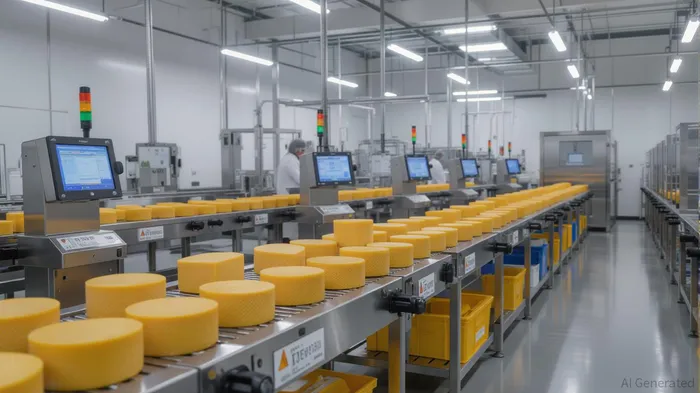 Both recalls disrupted supply chains, forcing retailers to remove products from shelves and triggering ripple effects across distribution networks. For investors, these events illustrate how food safety issues can swiftly translate into operational halts, regulatory scrutiny, and reputational damage.
Stock Market Reactions: Volatility and Investor Sentiment
While specific stock price data for Ambriola and Great Lakes Cheese Co. post-recall is not publicly available in the provided sources, historical patterns suggest such crises often lead to short-term volatility. For example, Ambriola's association with high-profile brands like Boar's Head and Locatelli likely amplified market concerns about its financial stability. Similarly, Great Lakes Cheese Co.'s reliance on private-label contracts with major retailers exposed it to downstream risks, as partners like Walmart and Aldi faced inventory disruptions.
Investors should note that stock performance post-recall depends on a company's transparency, speed of response, and ability to reassure stakeholders. Ambriola's immediate suspension of production and collaboration with the FDA, for instance, may mitigate long-term investor skepticism compared to delayed or opaque responses. However, repeated recalls-Ambriola has faced similar issues in the past can erode confidence, as seen in its potential struggles to retain market share.
Consumer Trust and Brand Resilience
Rebuilding consumer trust after a recall is a complex, long-term endeavor. The absence of reported illnesses in either recall (as of December 2025) likely softened the immediate backlash, but trust erosion remains a risk. For example, Ambriola's Pecorino Romano products, marketed as premium items, faced heightened scrutiny due to their association with , a pathogen linked to severe health outcomes. Great Lakes Cheese Co., meanwhile, grappled with the psychological impact of metal contamination, which can evoke fears of choking or internal injury.
Companies that prioritize transparent communication and proactive safety measures-such as Ambriola's public commitment to reviewing sanitation protocols-stand a better chance of regaining consumer confidence. However, the lack of publicly available consumer trust recovery metrics in the provided sources suggests that long-term brand resilience will depend on sustained efforts to rebuild credibility, including third-party audits and enhanced quality control.
Investment Implications and Strategic Considerations
For investors, the 2025 cheese recalls highlight three key factors:
1. Operational Resilience: Companies with diversified supplier networks and robust quality assurance systems are better positioned to mitigate recall risks. Great Lakes Cheese Co.'s reliance on a single supplier for raw materials, for instance, exposed it to contamination risks.
- Brand Equity: Premium brands like Boar's Head and Locatelli face steeper recovery challenges than private-label products, as their reputations are more closely tied to consumer perceptions of quality.
- Regulatory Scrutiny: The FDA's reclassification of Great Lakes' recall to Class I (despite initial Class II status) underscores the agency's evolving risk assessments, which can influence investor sentiment and compliance costs.
Investors should also monitor how companies allocate resources post-crisis. For example, Ambriola's investment in facility upgrades and third-party testing could signal a commitment to long-term safety, whereas cost-cutting measures might exacerbate trust issues.
Conclusion
The 2025 cheese recalls serve as a cautionary tale for the food industry and its investors. While immediate financial impacts are evident-through production halts, recall costs, and supply chain disruptions-the long-term consequences hinge on a company's ability to rebuild trust and adapt to regulatory expectations. For investors, the key lies in evaluating not just the scale of the crisis but also the strategic responses that determine a brand's resilience. In an era where food safety is paramount, companies that prioritize transparency and innovation in quality control will likely outperform peers in both market stability and consumer loyalty.







Comentarios
Aún no hay comentarios