
Investing in the U.S. Non-GMO Food Market: Capturing Growth Amid Rising Health Consciousness and Retail Expansion
The surge in demand for non-GMO products is rooted in growing consumer awareness of health and wellness. According to a report by Fortune Business Insights, rising disposable incomes and a shift toward organic and clean-label foods are accelerating market adoption. Consumers are increasingly prioritizing transparency in food sourcing, with non-GMO certifications serving as a key trust signal. This trend is further amplified by the association of non-GMO farming with environmentally sustainable practices, such as reduced chemical use and soil preservation as highlighted in market reports.
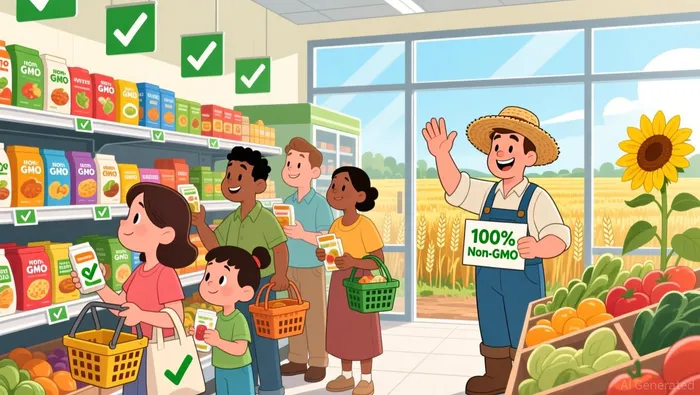
Retail expansion has also played a pivotal role in democratizing access to non-GMO products. E-commerce platforms and specialty stores have made these items more widely available, particularly in health-conscious hubs like California, Texas, and New York. California, in particular, leads the market due to its progressive retail strategies and a population that prioritizes ethical consumption.
Global Tailwinds and Regulatory Support
The U.S. non-GMO market is not operating in isolation. The global non-GMO food sector is forecasted to grow from $168.35 billion in 2025 to $375.42 billion by 2034, expanding at a CAGR of 9.32%. North America's dominance in this space is fueled by strong economic growth and regulatory frameworks that promote labeling transparency as noted by industry analysts. Government initiatives, such as certification programs, have bolstered consumer confidence by ensuring product authenticity as detailed in market reports. However, challenges remain, including high certification costs and premium pricing, which could limit accessibility for price-sensitive demographics according to financial analysts.
Strategic Entry Points for Investors
For investors, strategic entry into this market requires a focus on innovation, scalability, and partnerships. Key players like Amy's Kitchen and Organic Valley have demonstrated success by aligning with consumer values and leveraging e-commerce channels. Emerging opportunities lie in supporting small and medium-sized enterprises (SMEs) that can navigate certification complexities while maintaining cost efficiency. Additionally, investments in sustainable supply chains and technology-driven traceability solutions could address regulatory hurdles and enhance consumer trust.
Risks and Mitigation
While the sector's growth is robust, investors must remain cognizant of challenges such as fluctuating production costs and evolving regulatory standards. Diversifying across product categories (e.g., snacks, beverages, and packaged meals) and geographic regions can mitigate these risks. Collaborations with advocacy groups and policymakers may also help shape favorable regulations, ensuring long-term market stability.
Conclusion
The U.S. non-GMO food market represents a high-growth sector poised to benefit from enduring consumer trends and regulatory momentum. By addressing accessibility barriers and leveraging technological advancements, investors can position themselves to capture value in a market that aligns with global shifts toward health, sustainability, and ethical consumption. As the sector matures, early movers with a strategic focus on innovation and transparency are likely to thrive.







Comentarios
Aún no hay comentarios