
Investing in Gen Alpha-Driven Theatrical Entertainment: Strategic Opportunities in Family-Friendly Media and Premium Formats
The theatrical entertainment industry is undergoing a generational shift, driven by the unique preferences and spending power of Generation Alpha. Born between 2010 and 2025, this cohort is reshaping box office dynamics, family-friendly media consumption, and the demand for premium cinema experiences. For investors, understanding this demographic's influence is critical to unlocking growth in a sector poised for reinvention.
A New Era of Box Office Demand
Gen Alpha's preference for theatrical experiences is outpacing all previous generations. According to a report by , 59% of Gen Alpha members prioritize watching movies in theaters over at home, compared to significantly lower engagement from Gen Z and Millennials. This trend has already translated into blockbuster success: films like A Minecraft Movie and Lilo & Stitch grossed $957 million and $1.03 billion globally, respectively, underscoring the commercial viability of Gen Alpha-centric content. The key driver? Social engagement. Over 55% of Gen Alpha moviegoers prefer watching films with friends, transforming cinema visits into shared events rather than passive entertainment.
Family Spending Power and Content Preferences
Gen Alpha's influence extends beyond the box office. They now steer 42% of family purchasing decisions, including entertainment choices, travel, and technology. This power is amplified by their early agency: 60% of 8–11-year-olds have final say in family purchases. For studios and exhibitors, this means content must align with Gen Alpha's values-immersive storytelling, interactivity, and franchises tied to their digital worlds. Adaptations of video games (Minecraft, Roblox) and nostalgic reboots (Super Mario Bros.) dominate their interests, creating a clear roadmap for investors.
Premium Formats as a Competitive Edge
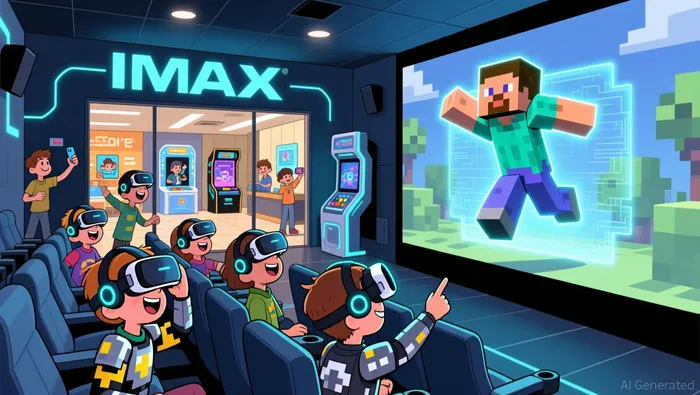
Gen Alpha's appetite for premium cinema formats is another growth lever. Data from the NRG report reveals that 54% of this generation expresses interest in 3D and virtual reality experiences, while 65% prefer large-format screens like IMAXIMAX--. This demand is not merely technical-it reflects a desire for escapism and sensory engagement. Cinemas adopting immersive technologies, such as interactive lobbies or post-film discussions, are seeing higher retention rates among young audiences. For investors, this signals an opportunity to fund infrastructure upgrades or partner with tech firms specializing in VR/AR integration.
Balancing Digital and Physical Experiences
Despite being digital natives-58% of Gen Alpha children use YouTube monthly-this generation paradoxically favors tangible experiences. In Q3 2025, 28% of 8–15-year-olds cited cinema as their top choice for watching films, driven by the "occasion" factor. This duality creates a hybrid opportunity: investors can capitalize on family-friendly media that bridges online and offline engagement. For example, films with companion apps or physical merchandise (e.g., themed toys, board games) align with Gen Alpha's 16% increase in wishlist additions for physical goods since 2023.
Strategic Investment Opportunities
- Content Development: Franchises tied to Gen Alpha's digital ecosystems (e.g., Roblox, Pokémon) offer scalable revenue streams. Studios prioritizing these IPs are likely to dominate box office cycles.
- Premium Cinema Tech: Investments in 3D, IMAX, and VR-enabled theaters can capture this generation's willingness to pay for immersive experiences.
- Influencer-Driven Marketing: With 48% of 11–14-year-olds discovering products via influencers, partnerships with Gen Alpha-aligned creators can drive ticket sales and ancillary revenue.
- Family-Centric Experiential Spaces: Cinemas adding pre-show activities or interactive zones cater to Gen Alpha's social orientation, turning movie nights into events.
Conclusion
Gen Alpha is not just a demographic-it is a catalyst for reinventing theatrical entertainment. Their preference for social, premium, and family-friendly experiences creates a clear value proposition for investors. As this cohort's spending power grows, early movers in content, technology, and experiential design will reap outsized rewards. The window to capitalize is narrowing; the question is not whether Gen Alpha will shape the future of cinema, but who will lead the charge.







Comentarios
Aún no hay comentarios