
Investing in the Future of Protein: How Shifting Diets and Innovation Drive Value in the Global Meat Market
The global meat and protein market is undergoing a seismic transformation in 2025, driven by shifting consumer diets, technological innovation, and sustainability imperatives. With the market projected to grow from $1.06 trillion in 2023 to $1.9 trillion by 2033 [1], investors are increasingly turning to disruptive strategies to capture value. TimTIMB-- Draper, a venture capitalist known for his contrarian bets on blockchain and AI, offers a compelling lens through which to analyze these trends. His emphasis on innovation, scalability, and market gaps aligns closely with the evolving dynamics of the protein sector.
Consumer Diets: From Plant-Based to Personalized
A key driver of value creation in 2025 is the re-emergence of demand for traditional meat products. Sales of plant-based alternatives have declined by 2.3% year-on-year, as consumers prioritize authenticity and cost-effectiveness [2]. This shift reflects a broader trend toward "value-driven" consumption, where private-label meat products now account for 22% of global CPG sales [3]. However, this does not signal a return to homogeneity. Instead, consumers are seeking personalized and culturally diverse meat experiences. For instance, ethnic meats like chorizo have seen a 3.9% YoY sales increase, driven by demographic shifts and a globalized palate [4].
Tim Draper's famous BBQ anecdote—where he identified a billion-dollar idea over ribs—underscores his belief in informal networking and unconventional insights. In 2025, this philosophy translates to investing in ventures that bridge cultural gaps, such as startups offering AI-powered recipe platforms for global meat dishes or blockchain-enabled traceability for ethically sourced ethnic proteins.
Technological Innovation: The New Frontier
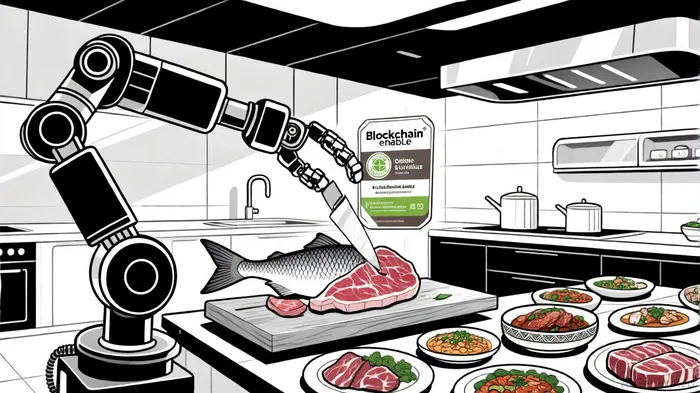
The integration of technology into meat production is reshaping the industry. Precision livestock farming, AI-driven quality control, and blockchain for traceability are not just buzzwords but operational necessities. For example, blockchain solutions enhance transparency, a critical factor for consumers who now demand verifiable sustainability credentials [5].
Draper's history of backing blockchain projects, such as Arkham Intelligence, suggests he would prioritize investments in meat-tech startups leveraging decentralized systems. One such opportunity lies in cell-based and cultivated meat, which is projected to capture market share among younger, health-conscious consumers [6]. Companies like Mission Barns, which cultivates animal fats to enhance plant-based and hybrid products, exemplify the kind of scalable innovation Draper might target [7].
Sustainability and Ethical Sourcing: The Investor's Sweet Spot
Sustainability is no longer a niche concern but a core component of value creation. Consumers are willing to pay a premium for ethically raised, low-carbon meat, and regulators are tightening environmental standards. This has spurred growth in regenerative agriculture and clean-label products, with brands like Applegate leading the charge [8].
Draper's strategic focus on sustainability aligns with the rise of hybrid proteins—blends of cultivated meat, plant-based ingredients, and precision-fermented proteins—that reduce environmental impact while maintaining affordability [9]. For instance, fermentation-based startups like Air Protein, which creates carbon-negative protein alternatives, could attract his attention as they address both climate goals and scalability challenges [10].
Investment Opportunities in 2025
The alternative protein sector, though volatile, remains a high-growth area. In H1 2025, alternative protein startups raised $364 million, with fermentation companies capturing half of the sector's funding [11]. Draper's investment playbook would likely focus on:
1. Early-stage biotech firms developing cost-competitive cultivated meat.
2. AI-driven supply chain solutions optimizing meat production and reducing waste.
3. Emerging markets in Asia, South America, and the Middle East, where meat consumption is rising alongside disposable incomes [12].
A critical challenge is regulatory alignment. The U.S. FDA and USDA's approval of cultivated chicken products in 2025 [13] has set a precedent, but global harmonization of standards remains fragmented. Investors must navigate these complexities while prioritizing companies with strong IP and regulatory partnerships.
Conclusion
The global meat market in 2025 is a tapestry of tradition and innovation, where consumer preferences for authenticity, personalization, and sustainability intersect with cutting-edge technology. Tim Draper's strategic insights—rooted in contrarian thinking, scalability, and market gaps—offer a roadmap for investors. By targeting ventures that blend cultural inclusivity, technological rigor, and environmental stewardship, the next wave of meat and protein innovators can unlock substantial value in a $1.9 trillion market.







Comentarios
Aún no hay comentarios