
Intrusion Inc. (INTZ): Strategic Risks and Value Recovery Potential Amid Cybersecurity Sector Volatility
Intrusion Inc. (INTZ): Strategic Risks and Value Recovery Potential Amid Cybersecurity Sector Volatility
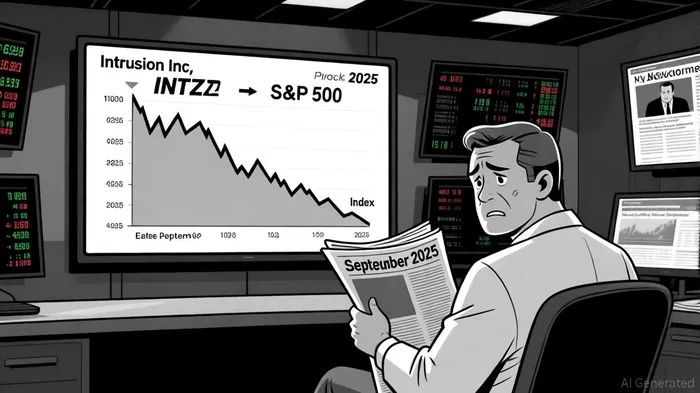
Intrusion Inc. (INTZ) has experienced a sharp selloff in late September and early October 2025, closing at $1.78 on October 7-a 2.2% decline compared to the previous session-while the S&P 500 lost just 0.38% during the same period, according to Yahoo Finance. This underperformance raises critical questions for investors: Is the selloff a reflection of fundamental challenges, or does it represent a mispricing opportunity in a sector grappling with AI-driven threats and regulatory pressures?
Strategic Risks: Government Dependency and Profitability Pressures
Intrusion's business model is heavily concentrated in U.S. government contracts, which accounted for 95.5% of its Q2 2025 revenue, according to InsiderMonkey. While this focus has driven consistent revenue growth-$1.9 million in Q2, up 28% year-over-year-the reliance on a single customer base introduces significant risk. A shift in federal spending priorities or contract non-renewals could disrupt cash flow. Additionally, the company reported a net loss of $2.04 million for the quarter, despite 76% gross margins, due to rising R&D and operating expenses, per StockInvest. Analysts note that profitability is expected in the "nearer term," but the path remains uncertain given the company's cash runway extending only to early 2026, according to Yahoo Finance reporting.
The broader cybersecurity sector faces compounding challenges. AI-powered threats, insider risks, and outdated security tools are creating a "perfect storm" of vulnerabilities, as outlined in the Viking Cloud report. For example, 58% of organizations suspect AI involvement in breaches, while 68% lack confidence in defending against real-time AI-driven attacks, according to the World Economic Forum. Intrusion's niche focus on operational technology (OT) environments and critical infrastructure-where competition is less crowded-positions it to capitalize on these trends. However, its Shield Cloud expansion into AWS and Azure marketplaces must gain traction to offset government dependency, per MarketBeat.
Market Context: Sector Volatility vs. Long-Term Growth
The S&P 500 closed September 2025 with a 3.5% gain, marking its best September in 15 years, according to Morningstar. This outperformance was fueled by Federal Reserve policy shifts, strong earnings, and resilient consumer spending. In contrast, cybersecurity stocks have lagged due to budget constraints and market saturation. Cybersecurity budgets grew at a decelerating rate-from 17% in 2022 to 4% in 2025-as ISACA notes-forcing companies to innovate with AI-driven solutions. Intrusion's proprietary threat intelligence database (8.5 billion IP addresses and domains) offers a competitive edge, but its ability to monetize this asset remains unproven.
Value Recovery Potential: Mispricing or Fundamental Weakness?
The current price of $1.78 represents a 72% discount to the average 12-month price target of $6.50 set by analysts, per Zacks. This wide gap suggests either a pessimistic view of the company's ability to scale its product-led growth strategy or an undervaluation of its long-term potential. Key catalysts for recovery include:
1. Shield Cloud Adoption: Successful marketplace launches on AWS and Azure could diversify revenue streams beyond government contracts.
2. Profitability Milestones: Management's emphasis on balancing R&D investments with cost discipline may lead to breakeven or positive cash flow by early 2026, per BeyondSPX analysis.
3. Sector Tailwinds: The critical infrastructure market, where IntrusionINTZ-- has carved a niche, is projected to grow at a 12% CAGR through 2030, according to WebProNews.
However, risks persist. The cybersecurity sector's regulatory burden-exemplified by the EU's Digital Operational Resilience Act (DORA)-could increase compliance costs, a risk noted by Fool.com. Additionally, the rise of Initial Access Brokers (IABs) underscores the need for stronger authentication measures, an area where Intrusion's zero-trust model may or may not gain traction; historical price movements provide useful context from Yahoo Finance historical data.
Conclusion: A Calculated Bet on Resilience
Intrusion's recent underperformance reflects both sector-specific headwinds and company-level challenges. Yet, its strategic pivot to product-led growth, combined with a robust threat intelligence platform, positions it to benefit from the cybersecurity sector's long-term tailwinds. For long-term investors, the current valuation offers a compelling risk-reward profile-if the company can execute its roadmap and navigate the volatile regulatory and competitive landscape.





Comentarios
Aún no hay comentarios