
The Interplay of Eurozone Yield Moves and U.S. Inflation Data in a Shifting Global Bond Market
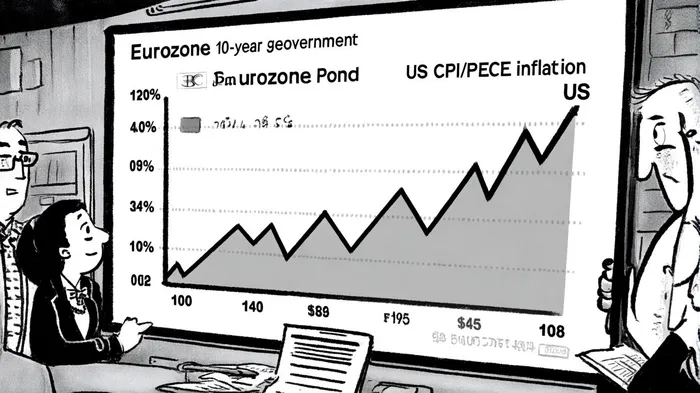
The global bond market is in a state of flux as investors grapple with the delicate dance between Eurozone yield movements and U.S. inflation data. With central banks tightening their grips on monetary policy, the cross-border implications for asset allocators have never been more critical. Let's break it down.
Eurozone: A Ticking Clock of Stability and Risk
, maintained by the Eurosystem as of early 2025, reflects a cautious approach to inflation, . This rate, , has propped up bond markets, but cracks are forming. , creating a tug-of-war between inflation control and growth preservation. For investors, this means Eurozone bonds remain a haven—but only for now.
U.S. Inflation: The Wild Card in the Deck
While the Eurozone's data offers a semblance of predictability, U.S. inflation metrics—particularly and —remain a wildcard. Though not explicitly detailed in recent reports, historical patterns show that rising U.S. inflation typically drives higher Treasury yields as investors demand compensation for eroding purchasing power [2]. The challenge lies in the asymmetry: if U.S. inflation surprises to the upside while Eurozone inflation remains anchored, capital may flee the Eurozone's lower yields for the perceived safety of Treasuries, even at a premium.
Strategic Allocation: Navigating the Cross-Border Tightrope
The key for asset allocators is to balance these dynamics. Here's how:
1. Duration Hedging: Shorten duration in Eurozone bond portfolios to mitigate interest rate risk if the ECB tightens further. Conversely, extend U.S. Treasury holdings if inflation shows resilience, locking in higher yields before the Fed acts.
2. : A rising euro (driven by higher Eurozone yields) could offset U.S. gains, so pair bond bets with FX hedges. For example, if you're overweight Eurozone bonds, consider selling euro futures to neutralize currency swings.
3. Sector Rotation: Redirect capital to sectors insulated from inflation, such as utilities or consumer staples, while trimming exposure to rate-sensitive sectors like tech.
The Missing Link: Correlation Gaps and Investor Caution
Critically, the lack of direct correlation data between U.S. inflation and Eurozone yields [3] means investors must rely on macroeconomic intuition. For instance, if the Fed signals aggressive rate hikes in response to stubborn U.S. inflation, the Eurozone's trade surplus and ECB caution could create a “yield divergence” trade. But this strategy hinges on timing—misjudging the Fed's pivot could lead to sharp losses.
Conclusion: Stay Nimble, Stay Informed
The bond market's interconnectedness demands vigilance. While the Eurozone's policy framework offers stability, U.S. inflation's unpredictability keeps the playing field dynamic. For cross-border allocators, the lesson is clear: diversify, hedge, and monitor policy signals like a hawk. As the ECB and Fed navigate their respective paths, the winners will be those who adapt fastest.







Comentarios
Aún no hay comentarios