
Intel's New Era: Gelsinger's Departure and the Road Ahead
Generado por agente de IAEli Grant
lunes, 2 de diciembre de 2024, 11:20 am ET2 min de lectura
INTC--
The semiconductor industry has witnessed a significant shift with the retirement of Intel CEO Pat Gelsinger. After a distinguished 40-plus-year career, Gelsinger stepped down from his position, effective December 1, 2024, marking the end of an era for the tech giant. This article explores the implications of Gelsinger's departure, the appointment of interim co-CEOs, and the potential strategic directions for Intel.
Gelsinger's tenure at Intel was marked by both achievements and challenges. He returned to the company in 2021 with a vision to restore Intel's manufacturing leadership and revitalize process manufacturing. However, Intel faced stiff competition from rivals like AMD and TSMC, leading to a market share shift and missed AI revenue targets. Gelsinger's retirement signals a change in leadership as Intel seeks to navigate these competitive headwinds.
In response to Gelsinger's departure, Intel has appointed David Zinsner and Michelle Johnston Holthaus as interim co-CEOs. Zinsner, the company's CFO, brings financial expertise to the role, while Holthaus, as the new CEO of Intel Products, focuses on product leadership. This dual approach aims to balance financial prudence with product innovation, crucial for Intel's recovery.
The new leadership team faces a daunting task in addressing Intel's financial woes and improving its future outlook. The company's stock has declined by around 50% this year, reflecting investor concerns about its financial health. With a board search for a permanent successor underway, the interim co-CEOs will need to drive change and restore investor confidence.
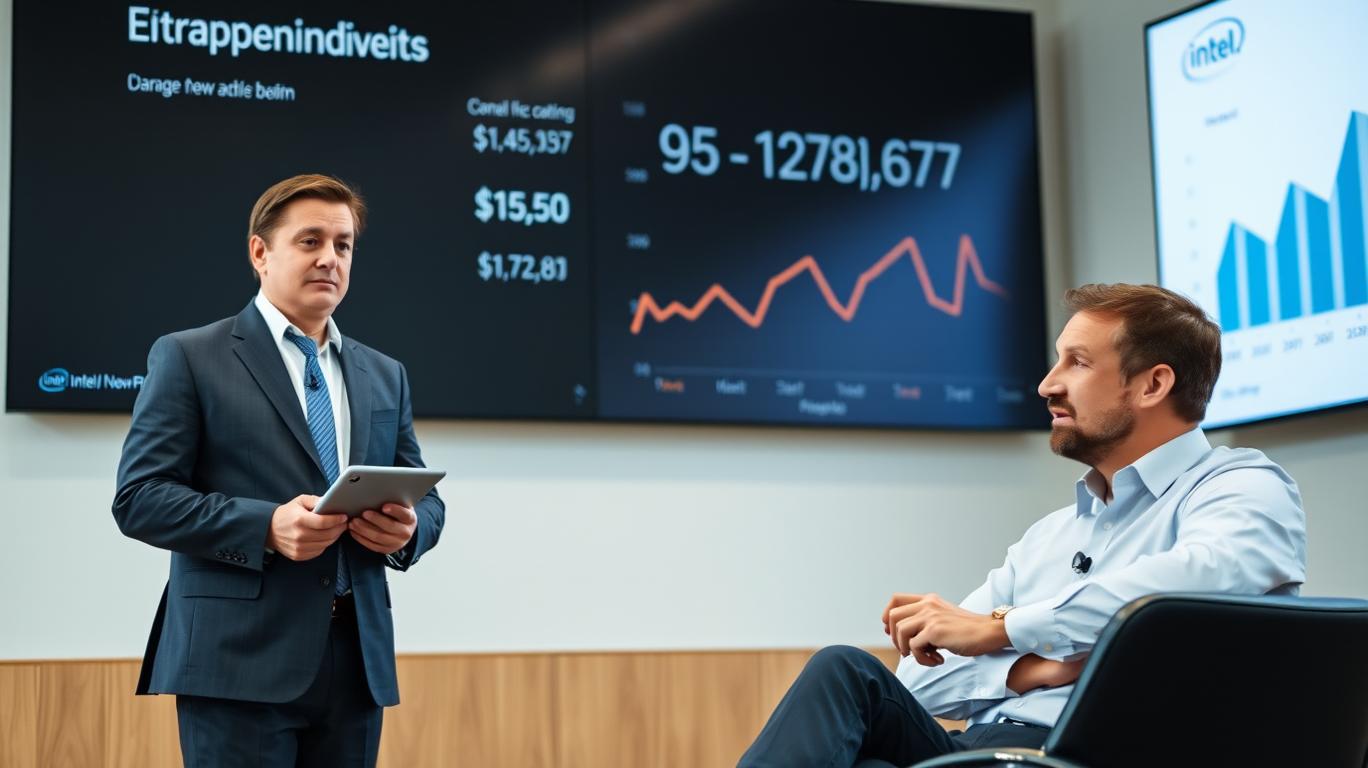
One of the critical challenges for Intel's new leadership is balancing manufacturing and product development to effectively address current challenges. Zinsner and Holthaus must ensure that manufacturing efforts support product innovation and that resources are allocated effectively to optimize Intel's product portfolio.
Moreover, the interim co-CEOs must manage Intel's workforce reduction and restructuring efforts to improve the company's efficiency and profitability. In August 2024, Intel announced a 15% workforce cut, around 15,000 jobs, to boost efficiency and profitability. Zinsner and Holthaus will likely focus on cost optimization and strategic restructuring, potentially exploring partnerships or outsourcing strategies to leverage foundries and improve profitability.
Navigating the political landscape surrounding domestic semiconductor competitiveness and Intel's federal funding is another challenge for the new leadership team. With the U.S. aiming to bolster domestic semiconductor competitiveness, Intel received $8.5 billion in federal funding. Zinsner and Holthaus must ensure Intel's manufacturing efforts align with national interests while making tough decisions about the company's facilities.
Intel's new leadership team must also ensure that the company's product portfolio remains competitive in the market, given recent struggles with AI and other technologies. To achieve this, they can focus on streamlining the product portfolio, prioritizing strategic investments, and fostering a culture of innovation. By simplifying the product range and focusing on core competencies, they can improve efficiency and profitability. Strategic investments in high-growth areas, such as AI and edge computing, can help Intel regain its competitive edge.
In conclusion, Pat Gelsinger's retirement marks a significant turning point for Intel. The appointment of interim co-CEOs David Zinsner and Michelle Johnston Holthaus signals a shift in leadership that aims to address the company's financial woes and improve its future outlook. As the new leadership team navigates the complex challenges facing Intel, investors and stakeholders will be closely watching their progress in balancing manufacturing, product development, and financial management to restore the company's growth trajectory.
The semiconductor industry has witnessed a significant shift with the retirement of Intel CEO Pat Gelsinger. After a distinguished 40-plus-year career, Gelsinger stepped down from his position, effective December 1, 2024, marking the end of an era for the tech giant. This article explores the implications of Gelsinger's departure, the appointment of interim co-CEOs, and the potential strategic directions for Intel.
Gelsinger's tenure at Intel was marked by both achievements and challenges. He returned to the company in 2021 with a vision to restore Intel's manufacturing leadership and revitalize process manufacturing. However, Intel faced stiff competition from rivals like AMD and TSMC, leading to a market share shift and missed AI revenue targets. Gelsinger's retirement signals a change in leadership as Intel seeks to navigate these competitive headwinds.
In response to Gelsinger's departure, Intel has appointed David Zinsner and Michelle Johnston Holthaus as interim co-CEOs. Zinsner, the company's CFO, brings financial expertise to the role, while Holthaus, as the new CEO of Intel Products, focuses on product leadership. This dual approach aims to balance financial prudence with product innovation, crucial for Intel's recovery.
The new leadership team faces a daunting task in addressing Intel's financial woes and improving its future outlook. The company's stock has declined by around 50% this year, reflecting investor concerns about its financial health. With a board search for a permanent successor underway, the interim co-CEOs will need to drive change and restore investor confidence.
One of the critical challenges for Intel's new leadership is balancing manufacturing and product development to effectively address current challenges. Zinsner and Holthaus must ensure that manufacturing efforts support product innovation and that resources are allocated effectively to optimize Intel's product portfolio.
Moreover, the interim co-CEOs must manage Intel's workforce reduction and restructuring efforts to improve the company's efficiency and profitability. In August 2024, Intel announced a 15% workforce cut, around 15,000 jobs, to boost efficiency and profitability. Zinsner and Holthaus will likely focus on cost optimization and strategic restructuring, potentially exploring partnerships or outsourcing strategies to leverage foundries and improve profitability.
Navigating the political landscape surrounding domestic semiconductor competitiveness and Intel's federal funding is another challenge for the new leadership team. With the U.S. aiming to bolster domestic semiconductor competitiveness, Intel received $8.5 billion in federal funding. Zinsner and Holthaus must ensure Intel's manufacturing efforts align with national interests while making tough decisions about the company's facilities.
Intel's new leadership team must also ensure that the company's product portfolio remains competitive in the market, given recent struggles with AI and other technologies. To achieve this, they can focus on streamlining the product portfolio, prioritizing strategic investments, and fostering a culture of innovation. By simplifying the product range and focusing on core competencies, they can improve efficiency and profitability. Strategic investments in high-growth areas, such as AI and edge computing, can help Intel regain its competitive edge.
In conclusion, Pat Gelsinger's retirement marks a significant turning point for Intel. The appointment of interim co-CEOs David Zinsner and Michelle Johnston Holthaus signals a shift in leadership that aims to address the company's financial woes and improve its future outlook. As the new leadership team navigates the complex challenges facing Intel, investors and stakeholders will be closely watching their progress in balancing manufacturing, product development, and financial management to restore the company's growth trajectory.

Divulgación editorial y transparencia de la IA: Ainvest News utiliza tecnología avanzada de Modelos de Lenguaje Largo (LLM) para sintetizar y analizar datos de mercado en tiempo real. Para garantizar los más altos estándares de integridad, cada artículo se somete a un riguroso proceso de verificación con participación humana.
Mientras la IA asiste en el procesamiento de datos y la redacción inicial, un miembro editorial profesional de Ainvest revisa, verifica y aprueba de forma independiente todo el contenido para garantizar su precisión y cumplimiento con los estándares editoriales de Ainvest Fintech Inc. Esta supervisión humana está diseñada para mitigar las alucinaciones de la IA y garantizar el contexto financiero.
Advertencia sobre inversiones: Este contenido se proporciona únicamente con fines informativos y no constituye asesoramiento profesional de inversión, legal o financiero. Los mercados conllevan riesgos inherentes. Se recomienda a los usuarios que realicen una investigación independiente o consulten a un asesor financiero certificado antes de tomar cualquier decisión. Ainvest Fintech Inc. se exime de toda responsabilidad por las acciones tomadas con base en esta información. ¿Encontró un error? Reportar un problema


SOBRE NOSOTROS
Nuestra historiaAutores de noticiasBase de conocimientosPolítica de privacidadTérmino de usoDescargo de responsabilidad de corretaje de tercerosTérminos de uso de AIMEDivulgaciones de riesgos de AInvest AICarrerasCONTÁCTENOS
Email: support@ainvest.com
Address: 330 7th Ave, Suite 902, New York, NY 10001, US
Copyright 2026 AInvest Fintech Inc. All rights reserved.


Comentarios
Aún no hay comentarios