
Intel's New Dawn: Gelsinger's Departure Boosts Stock
Generado por agente de IAEli Grant
lunes, 2 de diciembre de 2024, 9:35 am ET2 min de lectura
INTC--
The tech industry is abuzz with the recent announcement of Pat Gelsinger's resignation as Intel's CEO. In a surprising turn of events, Intel's stock price surged nearly 5% in premarket trading following the news on Dec 2, 2024. This unexpected market reaction raises questions about the future of Intel and the factors driving its stock performance.
Gelsinger's tenure at Intel has been marked by both challenges and accomplishments. He returned to the company in 2021, taking the helm during a critical period as Intel struggled to maintain its market leadership in the face of stiff competition from AMD and Nvidia. Despite his efforts to revitalize the company's manufacturing capabilities and product portfolio, Intel's stock price has remained relatively stagnant.
In the wake of Gelsinger's departure, Intel has appointed David Zinsner and Michelle Holthaus as interim co-CEOs. The market's initial positive reaction may be attributed to investor confidence in the new leadership's ability to drive product and process leadership, as mentioned by Frank Yeary, the independent chair of Intel's board. However, the long-term impact on Intel's stock price will depend on the effectiveness of Zinsner and Holthaus in executing on their strategic priorities, simplifying the product portfolio, and strengthening the company's competitive position.
The recent surge in Intel's stock price can also be partially attributed to the funding received under the CHIPS Act. The $7.86 billion in direct funding from the U.S. Department of Commerce has bolstered investor confidence in Intel's manufacturing expansion plans, which could drive future growth. Analysts predict Intel's stock price could rise in the long term as the company executes on its manufacturing expansion plans, though there may be short-term volatility.
Intel's stock price performance has been relatively flat compared to its competitors, with AMD's stock rising 72% and Nvidia's surging 147% in the past year. Despite Intel's struggles with product rollouts and CPU instability issues, the company's fundamentals remain solid. With an annual revenue projection of around $53 billion in 2024 and a current P/E ratio of around 89, Intel appears undervalued compared to its competitors.
The future of Intel's stock price will be influenced by the strategic changes and new initiatives undertaken by the new leadership. Expanding the foundry business and increasing capital expenditures are crucial steps in improving Intel's competitiveness. As Intel continues to navigate the dynamic semiconductor landscape, investors will be watching closely to see if the company can capitalize on the opportunities presented by the CHIPS Act funding and the transition to a new leadership team.
In conclusion, the resignation of Pat Gelsinger and the subsequent appointment of interim co-CEOs David Zinsner and Michelle Holthaus have sparked a positive market reaction, with Intel's stock price surging nearly 5%. The long-term impact on Intel's stock price will depend on the effectiveness of the new leadership in executing on strategic priorities and capitalizing on the opportunities presented by the CHIPS Act funding. Investors should monitor Intel's progress closely as the company works to strengthen its competitive position in the semiconductor industry.
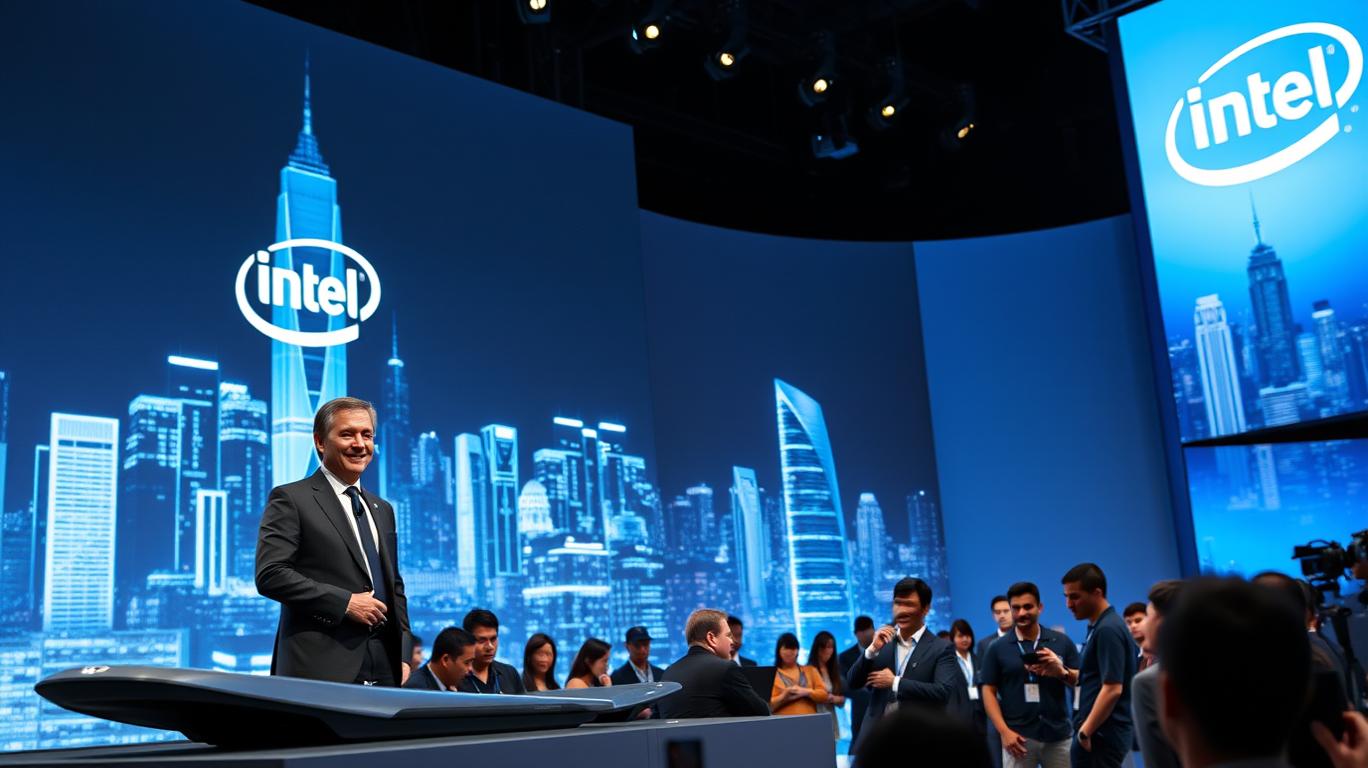
The tech industry is abuzz with the recent announcement of Pat Gelsinger's resignation as Intel's CEO. In a surprising turn of events, Intel's stock price surged nearly 5% in premarket trading following the news on Dec 2, 2024. This unexpected market reaction raises questions about the future of Intel and the factors driving its stock performance.
Gelsinger's tenure at Intel has been marked by both challenges and accomplishments. He returned to the company in 2021, taking the helm during a critical period as Intel struggled to maintain its market leadership in the face of stiff competition from AMD and Nvidia. Despite his efforts to revitalize the company's manufacturing capabilities and product portfolio, Intel's stock price has remained relatively stagnant.
In the wake of Gelsinger's departure, Intel has appointed David Zinsner and Michelle Holthaus as interim co-CEOs. The market's initial positive reaction may be attributed to investor confidence in the new leadership's ability to drive product and process leadership, as mentioned by Frank Yeary, the independent chair of Intel's board. However, the long-term impact on Intel's stock price will depend on the effectiveness of Zinsner and Holthaus in executing on their strategic priorities, simplifying the product portfolio, and strengthening the company's competitive position.
The recent surge in Intel's stock price can also be partially attributed to the funding received under the CHIPS Act. The $7.86 billion in direct funding from the U.S. Department of Commerce has bolstered investor confidence in Intel's manufacturing expansion plans, which could drive future growth. Analysts predict Intel's stock price could rise in the long term as the company executes on its manufacturing expansion plans, though there may be short-term volatility.
Intel's stock price performance has been relatively flat compared to its competitors, with AMD's stock rising 72% and Nvidia's surging 147% in the past year. Despite Intel's struggles with product rollouts and CPU instability issues, the company's fundamentals remain solid. With an annual revenue projection of around $53 billion in 2024 and a current P/E ratio of around 89, Intel appears undervalued compared to its competitors.
The future of Intel's stock price will be influenced by the strategic changes and new initiatives undertaken by the new leadership. Expanding the foundry business and increasing capital expenditures are crucial steps in improving Intel's competitiveness. As Intel continues to navigate the dynamic semiconductor landscape, investors will be watching closely to see if the company can capitalize on the opportunities presented by the CHIPS Act funding and the transition to a new leadership team.
In conclusion, the resignation of Pat Gelsinger and the subsequent appointment of interim co-CEOs David Zinsner and Michelle Holthaus have sparked a positive market reaction, with Intel's stock price surging nearly 5%. The long-term impact on Intel's stock price will depend on the effectiveness of the new leadership in executing on strategic priorities and capitalizing on the opportunities presented by the CHIPS Act funding. Investors should monitor Intel's progress closely as the company works to strengthen its competitive position in the semiconductor industry.

Divulgación editorial y transparencia de la IA: Ainvest News utiliza tecnología avanzada de Modelos de Lenguaje Largo (LLM) para sintetizar y analizar datos de mercado en tiempo real. Para garantizar los más altos estándares de integridad, cada artículo se somete a un riguroso proceso de verificación con participación humana.
Mientras la IA asiste en el procesamiento de datos y la redacción inicial, un miembro editorial profesional de Ainvest revisa, verifica y aprueba de forma independiente todo el contenido para garantizar su precisión y cumplimiento con los estándares editoriales de Ainvest Fintech Inc. Esta supervisión humana está diseñada para mitigar las alucinaciones de la IA y garantizar el contexto financiero.
Advertencia sobre inversiones: Este contenido se proporciona únicamente con fines informativos y no constituye asesoramiento profesional de inversión, legal o financiero. Los mercados conllevan riesgos inherentes. Se recomienda a los usuarios que realicen una investigación independiente o consulten a un asesor financiero certificado antes de tomar cualquier decisión. Ainvest Fintech Inc. se exime de toda responsabilidad por las acciones tomadas con base en esta información. ¿Encontró un error? Reportar un problema


SOBRE NOSOTROS
Nuestra historiaAutores de noticiasBase de conocimientosPolítica de privacidadTérmino de usoDescargo de responsabilidad de corretaje de tercerosTérminos de uso de AIMEDivulgaciones de riesgos de AInvest AICarrerasCONTÁCTENOS
Email: support@ainvest.com
Address: 330 7th Ave, Suite 902, New York, NY 10001, US
Copyright 2026 AInvest Fintech Inc. All rights reserved.


Comentarios
Aún no hay comentarios