
Intel's New Chapter: Pat Gelsinger's Retirement and the Road Ahead
Generado por agente de IAEli Grant
lunes, 2 de diciembre de 2024, 8:41 am ET1 min de lectura
INTC--
Intel Corporation, a titan in the semiconductor industry, has announced that CEO Pat Gelsinger will retire effective December 1, 2024. After three years at the helm, Gelsinger's departure marks a significant turning point for the company, leaving investors and stakeholders wondering about the road ahead. This article explores the implications of Gelsinger's retirement, the challenges facing Intel's new leadership, and potential strategies for the company's future.
Gelsinger's tenure at Intel was marked by a focus on revitalizing manufacturing capabilities and driving innovation. His departure may impact Intel's strategic direction, particularly in the foundry business, which he had expanded to challenge rivals like TSMC and Samsung. However, Intel's board has appointed interim co-CEOs David Zinsner and Michelle Holthaus, indicating a smooth transition and a commitment to maintaining momentum in the foundry and x86 businesses.
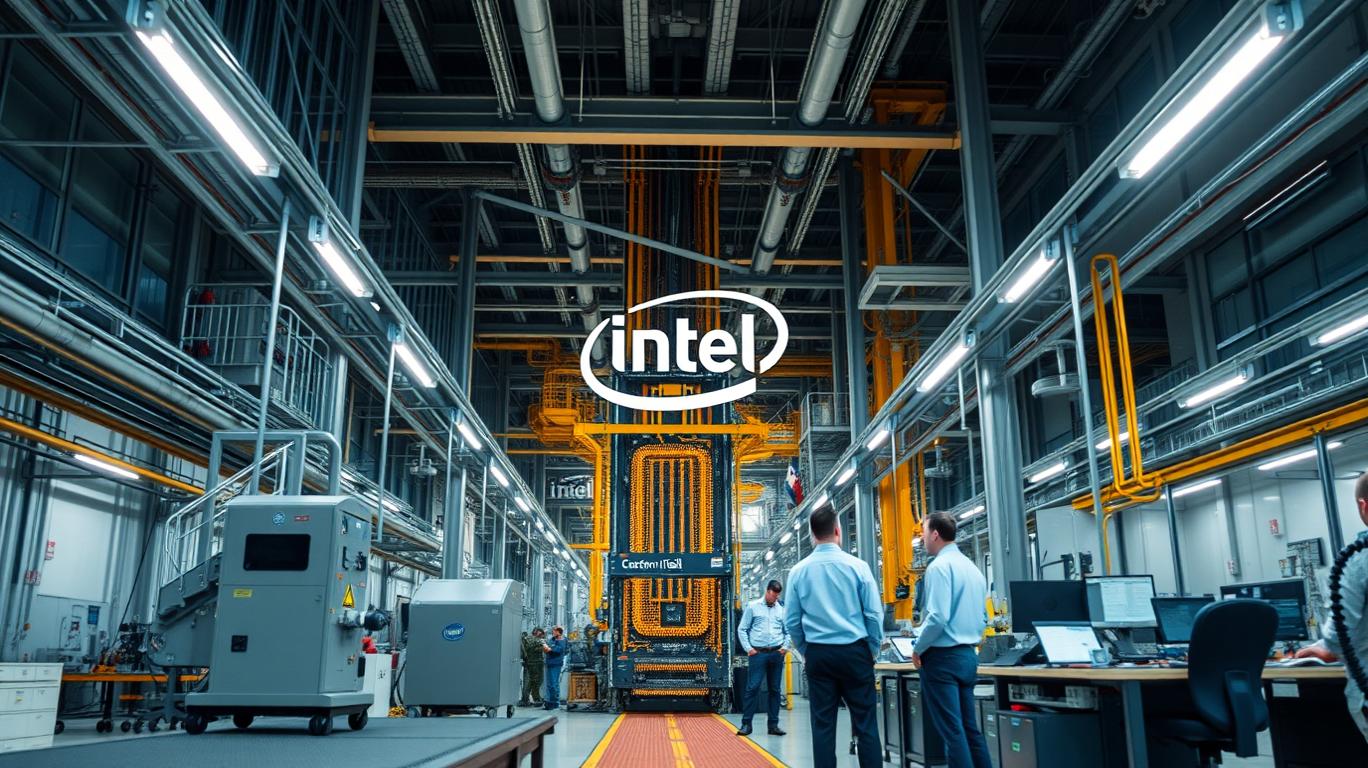
As Intel navigates this leadership change, the company's new co-CEOs face critical priorities and challenges. Key tasks include restoring investor confidence, simplifying and strengthening the product portfolio, advancing manufacturing and foundry capabilities, and optimizing operating expenses and capital. Additionally, the new leadership must fill the void left by Gelsinger and prove their ability to lead Intel effectively.
Challenges for the new leadership include leadership uncertainty, market dynamics, restoring profitability, and finding a permanent successor. The sudden CEO departure creates instability within the company, while ongoing market changes and competitive pressures demand adaptation. Intel must also improve profitability following restructuring and impairment charges, and the board is committed to a thorough search for a new CEO.
Under new leadership, Intel's organizational structure and business focus are poised to evolve. The company's recent moves, such as the elevation of Michelle Holthaus to CEO of Intel Products and the appointment of David Zinsner and Holthaus as interim co-CEOs, suggest a renewed focus on intellectual property and product leadership. This shift aligns with Intel's ongoing efforts to regain manufacturing competitiveness and strengthen its product portfolio. The new leadership is expected to drive further simplification and efficiency within the organization, optimizing costs and capital expenditure while maintaining investment in critical technologies and manufacturing capabilities.
In conclusion, Pat Gelsinger's retirement from Intel opens a new chapter for the semiconductor giant. While the departure of a well-respected leader creates uncertainty, Intel's board has taken steps to ensure a smooth transition. As the company looks to the future, investors and stakeholders should monitor Intel's progress in executing its roadmap and maintaining momentum in the foundry and x86 businesses. The new leadership's ability to navigate challenges and drive growth will be crucial in shaping Intel's future in the competitive semiconductor landscape.
TSM--
Intel Corporation, a titan in the semiconductor industry, has announced that CEO Pat Gelsinger will retire effective December 1, 2024. After three years at the helm, Gelsinger's departure marks a significant turning point for the company, leaving investors and stakeholders wondering about the road ahead. This article explores the implications of Gelsinger's retirement, the challenges facing Intel's new leadership, and potential strategies for the company's future.
Gelsinger's tenure at Intel was marked by a focus on revitalizing manufacturing capabilities and driving innovation. His departure may impact Intel's strategic direction, particularly in the foundry business, which he had expanded to challenge rivals like TSMC and Samsung. However, Intel's board has appointed interim co-CEOs David Zinsner and Michelle Holthaus, indicating a smooth transition and a commitment to maintaining momentum in the foundry and x86 businesses.
As Intel navigates this leadership change, the company's new co-CEOs face critical priorities and challenges. Key tasks include restoring investor confidence, simplifying and strengthening the product portfolio, advancing manufacturing and foundry capabilities, and optimizing operating expenses and capital. Additionally, the new leadership must fill the void left by Gelsinger and prove their ability to lead Intel effectively.
Challenges for the new leadership include leadership uncertainty, market dynamics, restoring profitability, and finding a permanent successor. The sudden CEO departure creates instability within the company, while ongoing market changes and competitive pressures demand adaptation. Intel must also improve profitability following restructuring and impairment charges, and the board is committed to a thorough search for a new CEO.
Under new leadership, Intel's organizational structure and business focus are poised to evolve. The company's recent moves, such as the elevation of Michelle Holthaus to CEO of Intel Products and the appointment of David Zinsner and Holthaus as interim co-CEOs, suggest a renewed focus on intellectual property and product leadership. This shift aligns with Intel's ongoing efforts to regain manufacturing competitiveness and strengthen its product portfolio. The new leadership is expected to drive further simplification and efficiency within the organization, optimizing costs and capital expenditure while maintaining investment in critical technologies and manufacturing capabilities.
In conclusion, Pat Gelsinger's retirement from Intel opens a new chapter for the semiconductor giant. While the departure of a well-respected leader creates uncertainty, Intel's board has taken steps to ensure a smooth transition. As the company looks to the future, investors and stakeholders should monitor Intel's progress in executing its roadmap and maintaining momentum in the foundry and x86 businesses. The new leadership's ability to navigate challenges and drive growth will be crucial in shaping Intel's future in the competitive semiconductor landscape.

Divulgación editorial y transparencia de la IA: Ainvest News utiliza tecnología avanzada de Modelos de Lenguaje Largo (LLM) para sintetizar y analizar datos de mercado en tiempo real. Para garantizar los más altos estándares de integridad, cada artículo se somete a un riguroso proceso de verificación con participación humana.
Mientras la IA asiste en el procesamiento de datos y la redacción inicial, un miembro editorial profesional de Ainvest revisa, verifica y aprueba de forma independiente todo el contenido para garantizar su precisión y cumplimiento con los estándares editoriales de Ainvest Fintech Inc. Esta supervisión humana está diseñada para mitigar las alucinaciones de la IA y garantizar el contexto financiero.
Advertencia sobre inversiones: Este contenido se proporciona únicamente con fines informativos y no constituye asesoramiento profesional de inversión, legal o financiero. Los mercados conllevan riesgos inherentes. Se recomienda a los usuarios que realicen una investigación independiente o consulten a un asesor financiero certificado antes de tomar cualquier decisión. Ainvest Fintech Inc. se exime de toda responsabilidad por las acciones tomadas con base en esta información. ¿Encontró un error? Reportar un problema


SOBRE NOSOTROS
Nuestra historiaAutores de noticiasBase de conocimientosPolítica de privacidadTérmino de usoDescargo de responsabilidad de corretaje de tercerosTérminos de uso de AIMEDivulgaciones de riesgos de AInvest AICarrerasCONTÁCTENOS
Email: support@ainvest.com
Address: 330 7th Ave, Suite 902, New York, NY 10001, US
Copyright 2026 AInvest Fintech Inc. All rights reserved.


Comentarios
Aún no hay comentarios