
Intel's Missed Opportunity: AI over Chipmaking, Says TSMC Founder
Generado por agente de IAEli Grant
lunes, 9 de diciembre de 2024, 6:17 am ET1 min de lectura
INTC--
The semiconductor industry has been abuzz with the recent departure of Intel's CEO, Pat Gelsinger, and the subsequent criticism of his foundry strategy by Morris Chang, the founder of Taiwan Semiconductor Manufacturing Company (TSMC). Chang believes that Intel should have focused on artificial intelligence (AI) instead of trying to become a contract chipmaker. This article explores the potential benefits and risks of Intel's missed opportunity to lead in AI and the implications for its competition with TSMC.
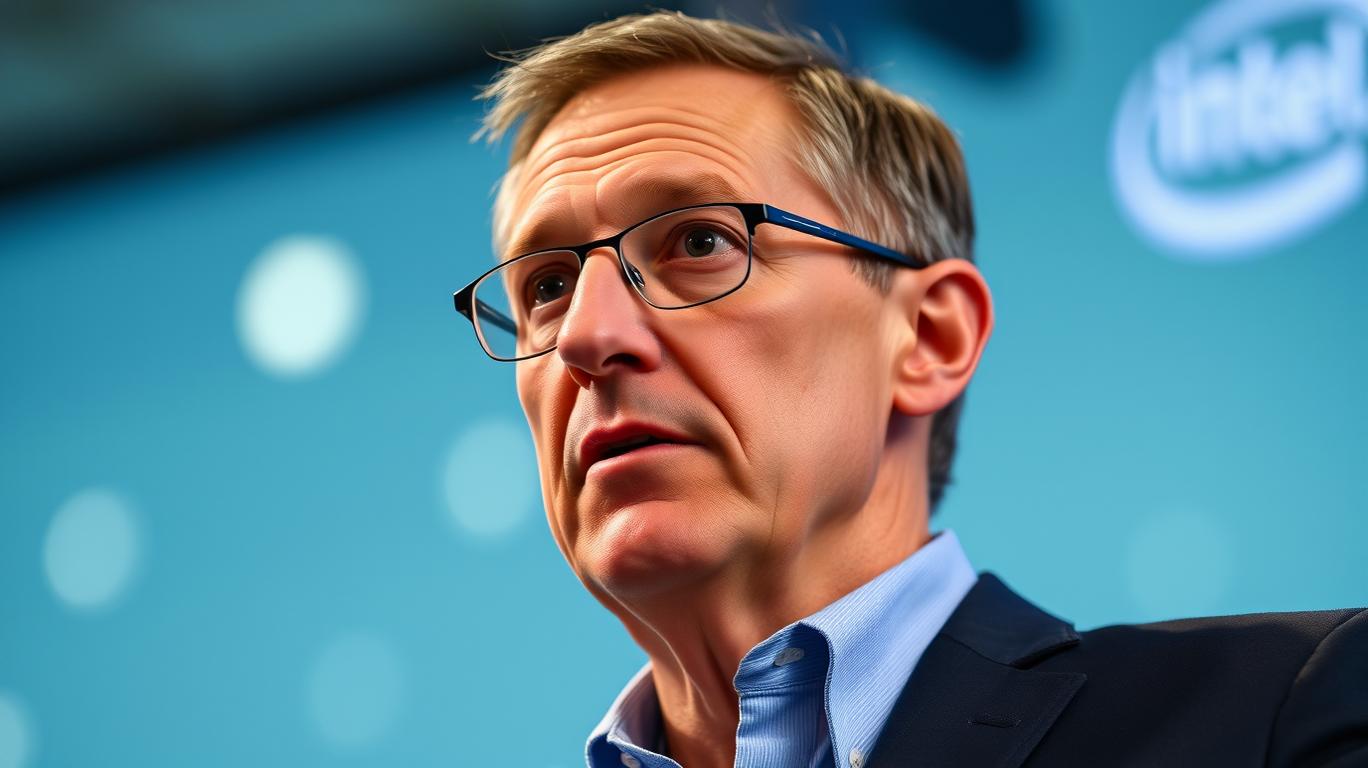
Intel's foundry strategy, aimed at regaining its lead in manufacturing the fastest and smallest computer chips for other companies, has been criticized for its high costs and slow progress. Chang argues that Intel should have focused on AI, a rapidly growing market with immense potential. By investing in AI-specific hardware and software, Intel could have capitalized on the increasing demand for AI infrastructure and maintained a competitive edge.
Focusing on AI would have allowed Intel to develop unique AI chips, reducing its reliance on TSMC for manufacturing. This could have led to increased market share and revenue, as AI is a key driver for many industries, including smartphones, digital consumer electronics, and high-performance computing. However, this strategy would have required significant investment in AI technology and talent, which could have strained Intel's financials in the short term.
Intel's missed opportunity to lead in AI has opened the door for other companies, such as Nvidia and AMD, to dominate the AI chip market. TSMC, as the world's largest chip contract manufacturer, has been able to capitalize on this demand by manufacturing AI chips for its customers. This has allowed TSMC to maintain its market leadership and continue to innovate in the AI chip manufacturing space.
In conclusion, Intel's focus on becoming a contract chipmaker may have been a missed opportunity to lead in the rapidly growing AI market. By investing in AI-specific hardware and software, Intel could have maintained a competitive edge and capitalized on the increasing demand for AI infrastructure. However, this strategy would have required significant investment and a shift in focus, which may not have guaranteed success. As the AI market continues to grow, Intel and other semiconductor companies will need to adapt and innovate to stay competitive in this dynamic landscape.
TSM--
The semiconductor industry has been abuzz with the recent departure of Intel's CEO, Pat Gelsinger, and the subsequent criticism of his foundry strategy by Morris Chang, the founder of Taiwan Semiconductor Manufacturing Company (TSMC). Chang believes that Intel should have focused on artificial intelligence (AI) instead of trying to become a contract chipmaker. This article explores the potential benefits and risks of Intel's missed opportunity to lead in AI and the implications for its competition with TSMC.
Intel's foundry strategy, aimed at regaining its lead in manufacturing the fastest and smallest computer chips for other companies, has been criticized for its high costs and slow progress. Chang argues that Intel should have focused on AI, a rapidly growing market with immense potential. By investing in AI-specific hardware and software, Intel could have capitalized on the increasing demand for AI infrastructure and maintained a competitive edge.
Focusing on AI would have allowed Intel to develop unique AI chips, reducing its reliance on TSMC for manufacturing. This could have led to increased market share and revenue, as AI is a key driver for many industries, including smartphones, digital consumer electronics, and high-performance computing. However, this strategy would have required significant investment in AI technology and talent, which could have strained Intel's financials in the short term.
Intel's missed opportunity to lead in AI has opened the door for other companies, such as Nvidia and AMD, to dominate the AI chip market. TSMC, as the world's largest chip contract manufacturer, has been able to capitalize on this demand by manufacturing AI chips for its customers. This has allowed TSMC to maintain its market leadership and continue to innovate in the AI chip manufacturing space.
In conclusion, Intel's focus on becoming a contract chipmaker may have been a missed opportunity to lead in the rapidly growing AI market. By investing in AI-specific hardware and software, Intel could have maintained a competitive edge and capitalized on the increasing demand for AI infrastructure. However, this strategy would have required significant investment and a shift in focus, which may not have guaranteed success. As the AI market continues to grow, Intel and other semiconductor companies will need to adapt and innovate to stay competitive in this dynamic landscape.

Divulgación editorial y transparencia de la IA: Ainvest News utiliza tecnología avanzada de Modelos de Lenguaje Largo (LLM) para sintetizar y analizar datos de mercado en tiempo real. Para garantizar los más altos estándares de integridad, cada artículo se somete a un riguroso proceso de verificación con participación humana.
Mientras la IA asiste en el procesamiento de datos y la redacción inicial, un miembro editorial profesional de Ainvest revisa, verifica y aprueba de forma independiente todo el contenido para garantizar su precisión y cumplimiento con los estándares editoriales de Ainvest Fintech Inc. Esta supervisión humana está diseñada para mitigar las alucinaciones de la IA y garantizar el contexto financiero.
Advertencia sobre inversiones: Este contenido se proporciona únicamente con fines informativos y no constituye asesoramiento profesional de inversión, legal o financiero. Los mercados conllevan riesgos inherentes. Se recomienda a los usuarios que realicen una investigación independiente o consulten a un asesor financiero certificado antes de tomar cualquier decisión. Ainvest Fintech Inc. se exime de toda responsabilidad por las acciones tomadas con base en esta información. ¿Encontró un error? Reportar un problema


SOBRE NOSOTROS
Nuestra historiaAutores de noticiasBase de conocimientosPolítica de privacidadTérmino de usoDescargo de responsabilidad de corretaje de tercerosTérminos de uso de AIMEDivulgaciones de riesgos de AInvest AICarrerasCONTÁCTENOS
Email: support@ainvest.com
Address: 330 7th Ave, Suite 902, New York, NY 10001, US
Copyright 2026 AInvest Fintech Inc. All rights reserved.


Comentarios
Aún no hay comentarios