
Intel's Ohio Project Delay: A Setback or Strategic Pivot?
Generado por agente de IAWesley Park
sábado, 1 de marzo de 2025, 7:20 pm ET2 min de lectura
INTC--
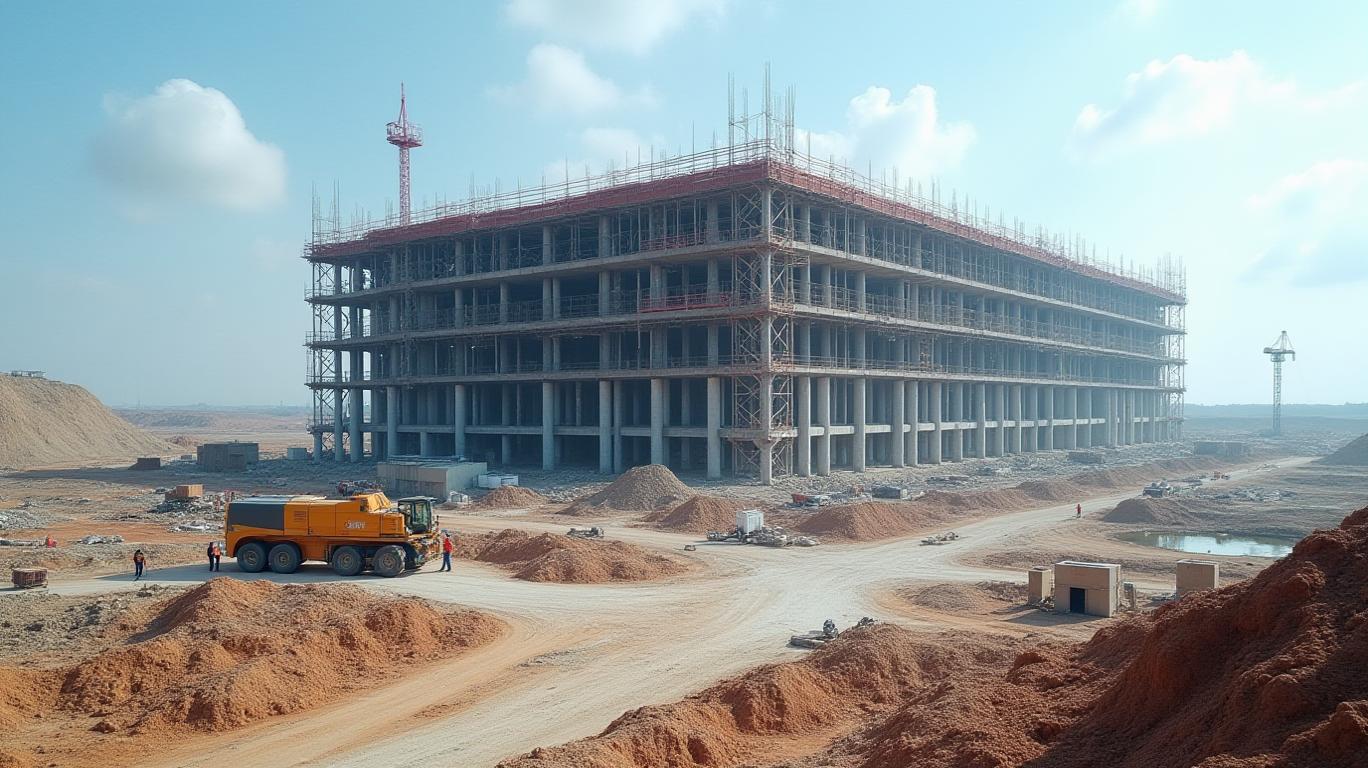
Intel's (INTC) Ohio project, a $28 billion investment in semiconductor manufacturingTSM--, has hit another snag. The company announced a significant delay in the construction timeline, pushing back the opening of the first factory to 2030 and the second to 2031. This delay, the second major setback for the project, raises questions about Intel's competitive position and long-term strategy in the global semiconductor market.
Financial Implications and Market Reaction
The delay in the Ohio project has potential financial implications for IntelINTC--. The company has already invested $3.7 billion in the project, with the total cost estimated at $28 billion. The delay means that Intel will continue to incur costs for construction and maintenance of the site, but will not start generating revenue from these facilities until later. This could strain Intel's financials, as the company has been facing significant financial headwinds, with its foundry division racking up billions of dollars in losses quarter after quarter.
Intel's stock has already lost more than half its value in the past year, and the company has been a potential takeover target. The delay in the Ohio project could further erode investor confidence, as it signals a setback in Intel's plans to expand its manufacturing capabilities and regain market share. Additionally, the delay could lead to a reassessment of Intel's stock valuation, as the expected future cash flows from the Ohio facilities will now be pushed back by several years.
Competitive Position and Market Demand
Intel's decision to delay the construction timeline for its Ohio project is primarily driven by financial struggles and a need to align chip production with market demand. The company has faced significant financial headwinds, with its foundry division racking up billions of dollars in losses quarter after quarter. Additionally, Intel has continued to outsource more chips to TSMC, indicating a shift in its manufacturing strategy.
The delay in the Ohio project affects Intel's competitive position in the global semiconductor market by pushing back its ability to increase production capacity and introduce advanced manufacturing processes. This delay allows Intel's rivals, such as AMD and TSMC, to gain a competitive advantage by continuing to invest in and expand their own manufacturing capabilities.
AMD, for instance, has been making significant strides in the CPU market, challenging Intel's dominance. With Intel's Ohio project delayed, AMD has more room to grow and capture market share. AMD's recent success in the high-performance computing and data center markets, as well as its strong position in the gaming segment, is a testament to its ability to capitalize on Intel's setbacks.
TSMC, the world's largest contract chipmaker, is also poised to benefit from Intel's delay. TSMC has been investing heavily in advanced manufacturing processes, such as 3nm and 2nm, which Intel has struggled to keep up with. With Intel's Ohio project delayed, TSMC can continue to expand its customer base and increase its market share in the foundry business.
Moreover, the delay in the Ohio project may also impact Intel's ability to attract and retain customers, as they may opt for more reliable and timely suppliers like TSMC. This could further erode Intel's competitive position in the global semiconductor market.
Geopolitical Events and Tariffs
The delay in the Ohio project could also be impacted by geopolitical events and tariffs. The Trump administration has called for hefty import taxes on foreign-made semiconductors, which could increase the cost of production for Intel's Ohio facilities. If Intel is concerned about the potential impact of tariffs on its Ohio project, it may be more cautious about its plans for the facility, leading to further delays.
Conclusion
Intel's decision to delay the construction timeline for its Ohio project has potential financial implications, including increased capital expenditure, a potential negative impact on stock valuation and investor sentiment, and uncertainty about market demand and geopolitical events. The delay also weakens Intel's competitive position in the global semiconductor market, allowing rivals like AMD and TSMC to gain a competitive advantage. As Intel navigates these challenges, investors and industry followers should closely monitor the company's progress and the broader market trends to assess the long-term impact of this delay on Intel's financials and market position.
TSM--
Intel's (INTC) Ohio project, a $28 billion investment in semiconductor manufacturingTSM--, has hit another snag. The company announced a significant delay in the construction timeline, pushing back the opening of the first factory to 2030 and the second to 2031. This delay, the second major setback for the project, raises questions about Intel's competitive position and long-term strategy in the global semiconductor market.
Financial Implications and Market Reaction
The delay in the Ohio project has potential financial implications for IntelINTC--. The company has already invested $3.7 billion in the project, with the total cost estimated at $28 billion. The delay means that Intel will continue to incur costs for construction and maintenance of the site, but will not start generating revenue from these facilities until later. This could strain Intel's financials, as the company has been facing significant financial headwinds, with its foundry division racking up billions of dollars in losses quarter after quarter.
Intel's stock has already lost more than half its value in the past year, and the company has been a potential takeover target. The delay in the Ohio project could further erode investor confidence, as it signals a setback in Intel's plans to expand its manufacturing capabilities and regain market share. Additionally, the delay could lead to a reassessment of Intel's stock valuation, as the expected future cash flows from the Ohio facilities will now be pushed back by several years.
Competitive Position and Market Demand
Intel's decision to delay the construction timeline for its Ohio project is primarily driven by financial struggles and a need to align chip production with market demand. The company has faced significant financial headwinds, with its foundry division racking up billions of dollars in losses quarter after quarter. Additionally, Intel has continued to outsource more chips to TSMC, indicating a shift in its manufacturing strategy.
The delay in the Ohio project affects Intel's competitive position in the global semiconductor market by pushing back its ability to increase production capacity and introduce advanced manufacturing processes. This delay allows Intel's rivals, such as AMD and TSMC, to gain a competitive advantage by continuing to invest in and expand their own manufacturing capabilities.
AMD, for instance, has been making significant strides in the CPU market, challenging Intel's dominance. With Intel's Ohio project delayed, AMD has more room to grow and capture market share. AMD's recent success in the high-performance computing and data center markets, as well as its strong position in the gaming segment, is a testament to its ability to capitalize on Intel's setbacks.
TSMC, the world's largest contract chipmaker, is also poised to benefit from Intel's delay. TSMC has been investing heavily in advanced manufacturing processes, such as 3nm and 2nm, which Intel has struggled to keep up with. With Intel's Ohio project delayed, TSMC can continue to expand its customer base and increase its market share in the foundry business.
Moreover, the delay in the Ohio project may also impact Intel's ability to attract and retain customers, as they may opt for more reliable and timely suppliers like TSMC. This could further erode Intel's competitive position in the global semiconductor market.
Geopolitical Events and Tariffs
The delay in the Ohio project could also be impacted by geopolitical events and tariffs. The Trump administration has called for hefty import taxes on foreign-made semiconductors, which could increase the cost of production for Intel's Ohio facilities. If Intel is concerned about the potential impact of tariffs on its Ohio project, it may be more cautious about its plans for the facility, leading to further delays.
Conclusion
Intel's decision to delay the construction timeline for its Ohio project has potential financial implications, including increased capital expenditure, a potential negative impact on stock valuation and investor sentiment, and uncertainty about market demand and geopolitical events. The delay also weakens Intel's competitive position in the global semiconductor market, allowing rivals like AMD and TSMC to gain a competitive advantage. As Intel navigates these challenges, investors and industry followers should closely monitor the company's progress and the broader market trends to assess the long-term impact of this delay on Intel's financials and market position.

Divulgación editorial y transparencia de la IA: Ainvest News utiliza tecnología avanzada de Modelos de Lenguaje Largo (LLM) para sintetizar y analizar datos de mercado en tiempo real. Para garantizar los más altos estándares de integridad, cada artículo se somete a un riguroso proceso de verificación con participación humana.
Mientras la IA asiste en el procesamiento de datos y la redacción inicial, un miembro editorial profesional de Ainvest revisa, verifica y aprueba de forma independiente todo el contenido para garantizar su precisión y cumplimiento con los estándares editoriales de Ainvest Fintech Inc. Esta supervisión humana está diseñada para mitigar las alucinaciones de la IA y garantizar el contexto financiero.
Advertencia sobre inversiones: Este contenido se proporciona únicamente con fines informativos y no constituye asesoramiento profesional de inversión, legal o financiero. Los mercados conllevan riesgos inherentes. Se recomienda a los usuarios que realicen una investigación independiente o consulten a un asesor financiero certificado antes de tomar cualquier decisión. Ainvest Fintech Inc. se exime de toda responsabilidad por las acciones tomadas con base en esta información. ¿Encontró un error? Reportar un problema




Comentarios
Aún no hay comentarios