
Intel's Ohio Plant Delays: A Setback for Semiconductor Industry Growth
Generado por agente de IAClyde Morgan
viernes, 28 de febrero de 2025, 10:51 am ET2 min de lectura
INTC--
Intel's (INTC) recent announcement of further delays in the construction and opening of its semiconductor plant in central Ohio has raised concerns about the company's long-term strategy and the broader semiconductor industry's growth prospects. The plant, initially expected to be operational by 2025, has now been pushed back to 2030-2031, with the second "fab" plant slated for completion in 2031 and operations starting in 2032. This delay comes amidst a challenging period for IntelINTC--, marked by financial struggles, leadership changes, and intense competition in the semiconductor market.
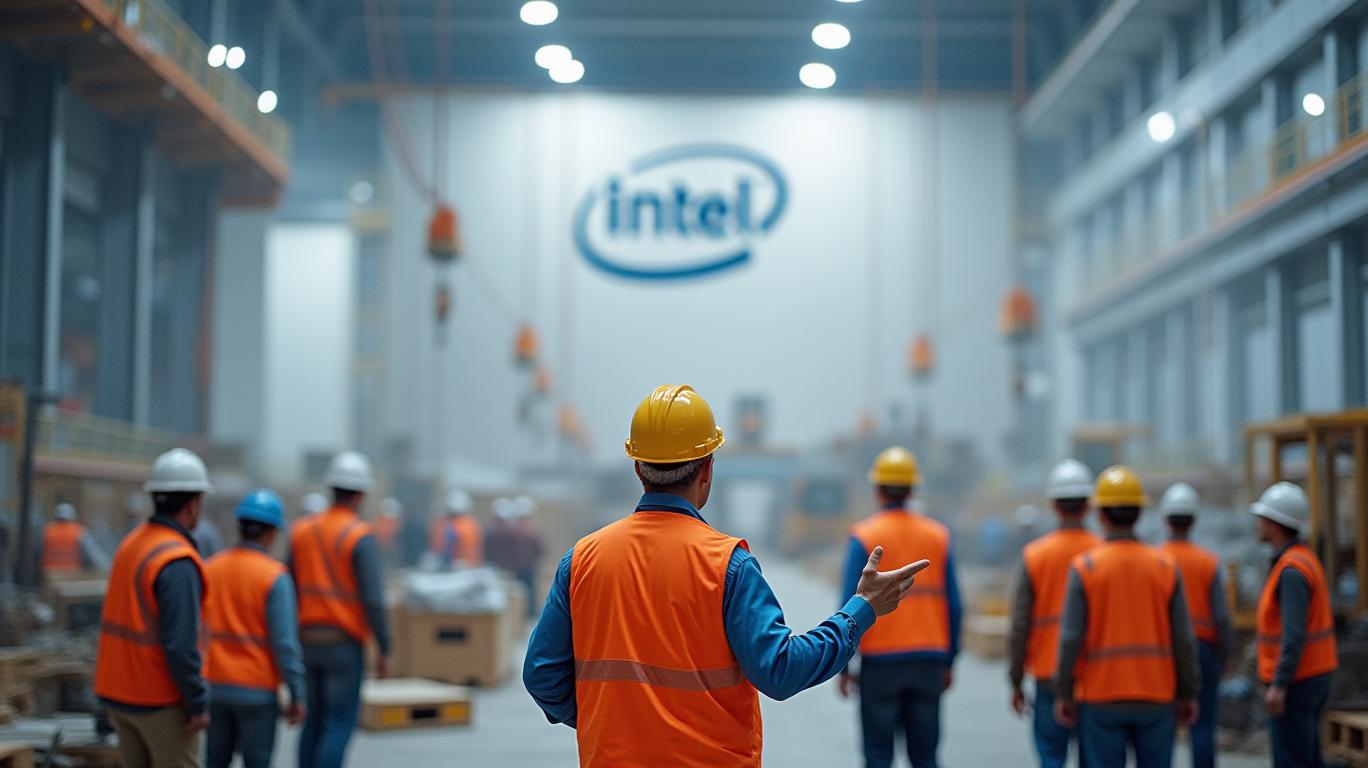
The revised timelines have significant implications for Intel's financial projections, as the delayed revenue generation and increased costs may strain the company's already fragile financial situation. Moreover, the delays could erode some of the confidence that Ohio executives and business leaders had in Intel's ability to deliver on its promises, potentially impacting the company's reputation and future partnerships.
The delays also have substantial implications for the state's economic development plans, job creation targets, and the overall investment climate for semiconductor manufacturingTSM-- in the region. The Ohio Department of Development awarded Intel $600 million in onshoring grants, with a deadline of 2028 for meeting job and investment commitments. The delay in construction and operations may impact the state's ability to meet these targets and access the full amount of the grant. Additionally, the delays may slow down the process of further economic development in the region, as the expected benefits will now take longer to materialize.
The revised timelines for Intel's Ohio plant could also have significant implications for the broader semiconductor industry, both in the United States and globally. The delay in Intel's domestic production could lead to a temporary shortage of semiconductor chips in the U.S. market, disrupting supply chains for various industries, including automotive, consumer electronics, and data centers. This supply gap could provide an opportunity for Intel's competitors, such as AMD and Nvidia, to gain market share and increase their sales. Furthermore, the delays could encourage other companies to invest in the U.S. semiconductor industry, as they see an opportunity to fill the supply gap left by Intel.
In conclusion, Intel's delays in constructing its semiconductor plants in Ohio have significant implications for the company's long-term strategy, the state's economic development plans, and the broader semiconductor industry's growth prospects. The delays may impact Intel's financial projections, the state's ability to meet its job creation targets, and the overall investment climate for semiconductor manufacturing in the region. The broader semiconductor industry could also face supply chain disruptions, increased competition, and shifts in market dynamics as a result of Intel's delays. However, the extent and nature of these impacts will depend on various factors, such as the duration of the delays, the response of Intel's competitors, and the broader economic and political context.
Word count: 600
TSM--
Intel's (INTC) recent announcement of further delays in the construction and opening of its semiconductor plant in central Ohio has raised concerns about the company's long-term strategy and the broader semiconductor industry's growth prospects. The plant, initially expected to be operational by 2025, has now been pushed back to 2030-2031, with the second "fab" plant slated for completion in 2031 and operations starting in 2032. This delay comes amidst a challenging period for IntelINTC--, marked by financial struggles, leadership changes, and intense competition in the semiconductor market.
The revised timelines have significant implications for Intel's financial projections, as the delayed revenue generation and increased costs may strain the company's already fragile financial situation. Moreover, the delays could erode some of the confidence that Ohio executives and business leaders had in Intel's ability to deliver on its promises, potentially impacting the company's reputation and future partnerships.
The delays also have substantial implications for the state's economic development plans, job creation targets, and the overall investment climate for semiconductor manufacturingTSM-- in the region. The Ohio Department of Development awarded Intel $600 million in onshoring grants, with a deadline of 2028 for meeting job and investment commitments. The delay in construction and operations may impact the state's ability to meet these targets and access the full amount of the grant. Additionally, the delays may slow down the process of further economic development in the region, as the expected benefits will now take longer to materialize.
The revised timelines for Intel's Ohio plant could also have significant implications for the broader semiconductor industry, both in the United States and globally. The delay in Intel's domestic production could lead to a temporary shortage of semiconductor chips in the U.S. market, disrupting supply chains for various industries, including automotive, consumer electronics, and data centers. This supply gap could provide an opportunity for Intel's competitors, such as AMD and Nvidia, to gain market share and increase their sales. Furthermore, the delays could encourage other companies to invest in the U.S. semiconductor industry, as they see an opportunity to fill the supply gap left by Intel.
In conclusion, Intel's delays in constructing its semiconductor plants in Ohio have significant implications for the company's long-term strategy, the state's economic development plans, and the broader semiconductor industry's growth prospects. The delays may impact Intel's financial projections, the state's ability to meet its job creation targets, and the overall investment climate for semiconductor manufacturing in the region. The broader semiconductor industry could also face supply chain disruptions, increased competition, and shifts in market dynamics as a result of Intel's delays. However, the extent and nature of these impacts will depend on various factors, such as the duration of the delays, the response of Intel's competitors, and the broader economic and political context.
Word count: 600

Divulgación editorial y transparencia de la IA: Ainvest News utiliza tecnología avanzada de Modelos de Lenguaje Largo (LLM) para sintetizar y analizar datos de mercado en tiempo real. Para garantizar los más altos estándares de integridad, cada artículo se somete a un riguroso proceso de verificación con participación humana.
Mientras la IA asiste en el procesamiento de datos y la redacción inicial, un miembro editorial profesional de Ainvest revisa, verifica y aprueba de forma independiente todo el contenido para garantizar su precisión y cumplimiento con los estándares editoriales de Ainvest Fintech Inc. Esta supervisión humana está diseñada para mitigar las alucinaciones de la IA y garantizar el contexto financiero.
Advertencia sobre inversiones: Este contenido se proporciona únicamente con fines informativos y no constituye asesoramiento profesional de inversión, legal o financiero. Los mercados conllevan riesgos inherentes. Se recomienda a los usuarios que realicen una investigación independiente o consulten a un asesor financiero certificado antes de tomar cualquier decisión. Ainvest Fintech Inc. se exime de toda responsabilidad por las acciones tomadas con base en esta información. ¿Encontró un error? Reportar un problema




Comentarios
Aún no hay comentarios