
Intel at a Crossroads: Speculation on TSMC and Broadcom Acquisitions Stirs Industry Debate
In recent market discussions, Intel has been at the center of speculation regarding potential acquisitions by TSMC and Broadcom. While these rumors boosted Intel's stock prices, industry insiders are less optimistic. Notably, Jim Keller, a former Intel Silicon Chief Engineer now with AI processor developer Tenstorrent, has commented that any sale at this point would be considered undervaluing the company. Keller's insights carry significant weight in the chip industry, emphasizing the need to turn the company around rather than selling it off.
Intel's complex situation has sparked broader discussions in the tech sector. Joseph Bonetti, Intel’s Chief Engineer for Projects, echoed sentiments that selling to TSMC would be short-sighted, arguing for Intel's ability to reclaim its leadership in chip manufacturing. Furthermore, he highlighted Intel's recent progress in semiconductor processes, stating that its new Xeon 6 processors are already using 3nm technology, with future advancements like the 18A technology underway.
Moreover, the potential acquisition raises concerns over existing agreements between Intel and AMD, both of which have extensive cross-licensing deals. These contracts ensure mutual usage rights and shield both parties from litigation risks related to patents. However, any ownership change mandates these agreements to be reassessed, introducing a risk that could be significantly detrimental to both entities.
The convergence of these strategic considerations has unfolded against a backdrop of continuing discussions about Intel’s potential restructuring. Such restructuring may involve either sector divestitures or synergies with larger industry players like TSMC and Broadcom. However, these decisions require meticulous consideration of the operational and strategic impacts on Intel’s position within the semiconductor landscape.
As Intel navigates through these strategic waters, the outcome may define its trajectory in a rapidly evolving industry. This critical juncture for Intel underscores its challenges and opportunities, with significant implications not only for Intel itself but also for the broader tech ecosystem it influences. 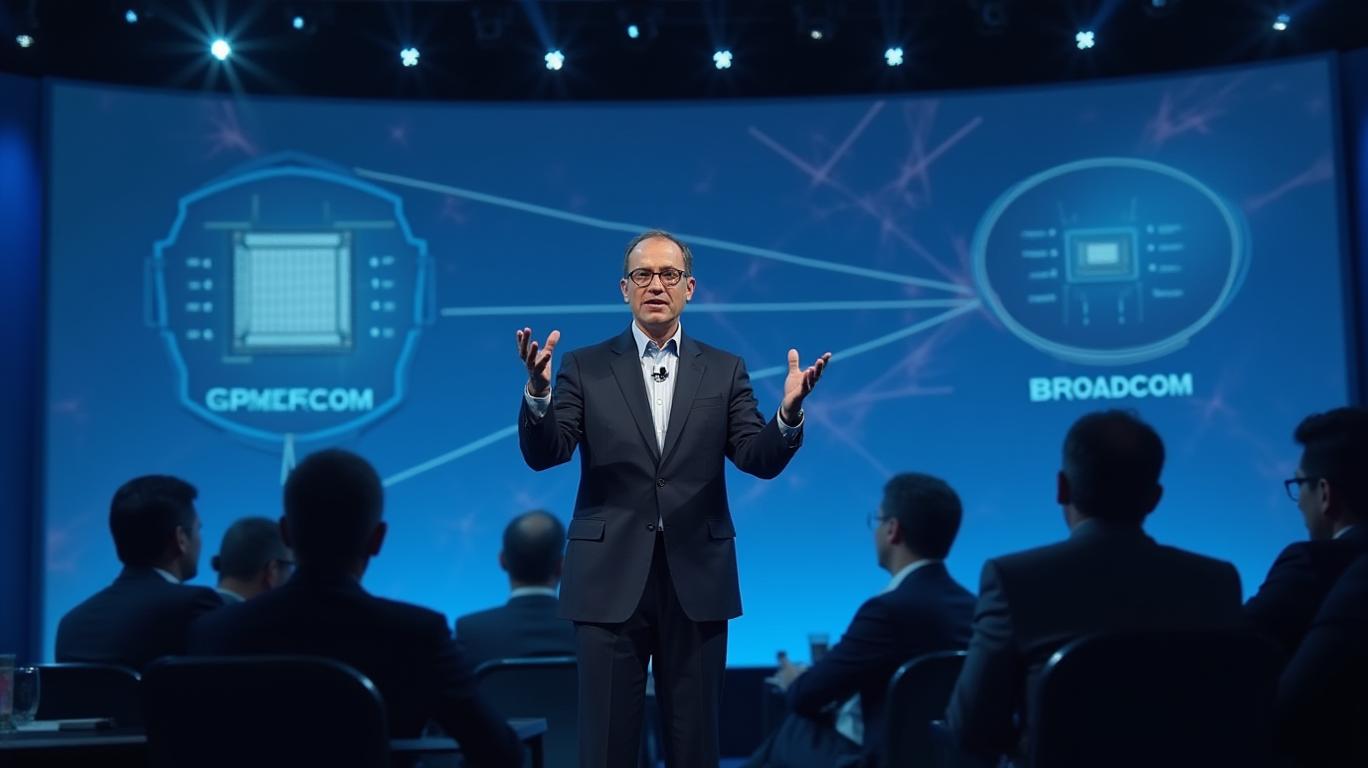





Comentarios
Aún no hay comentarios