
Intel's $5 Billion Venture Capital Segment to Spin Off, Remaining as Anchor Investor
Generado por agente de IAWesley Park
miércoles, 15 de enero de 2025, 10:15 am ET2 min de lectura
INTC--
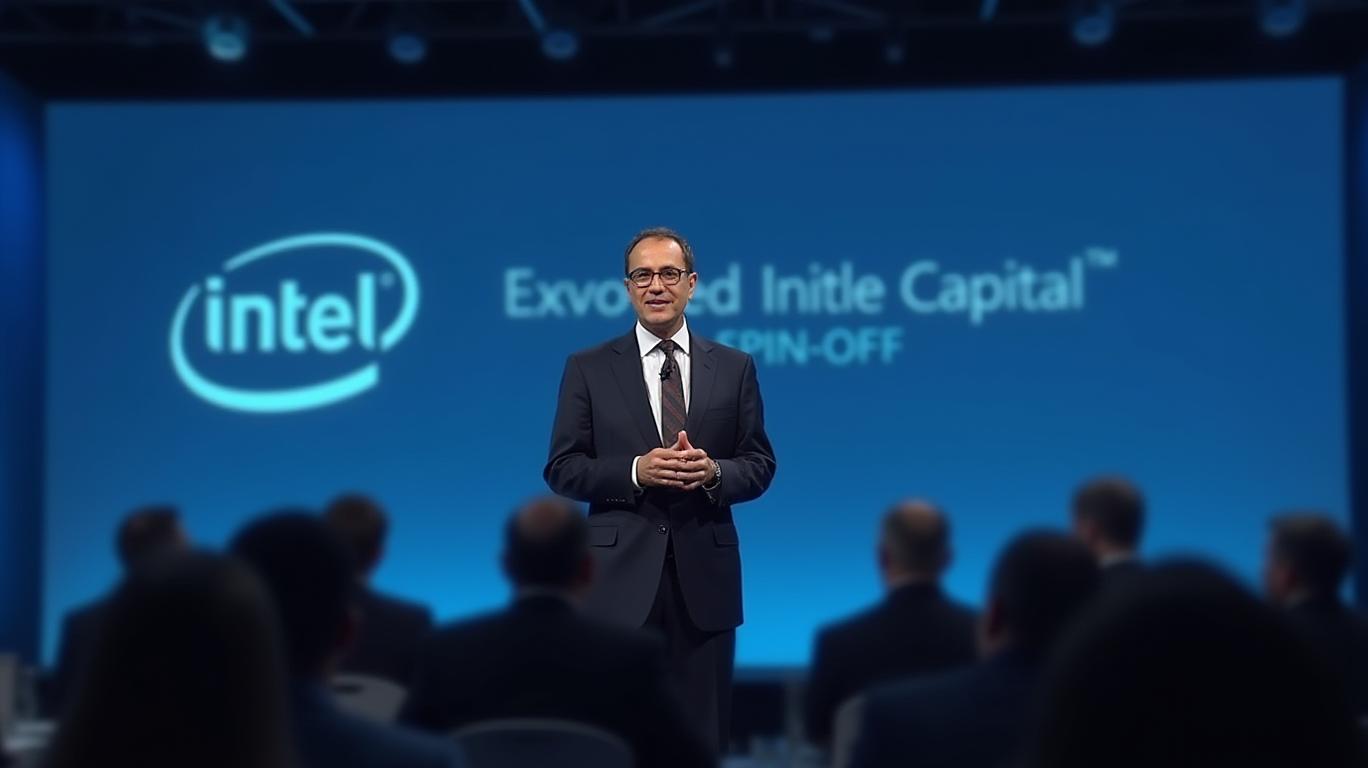
Intel, the once-dominant chipmaker, is set to spin off its $5 billion venture capital arm, Intel Capital, into a standalone fund. The move, announced on Tuesday, will enable Intel Capital to operate independently and attract external capital, while Intel will remain an anchor investor in the new company.
Intel Capital, established in 1991, has been a significant player in the venture capital landscape, investing over $20 billion in more than 1,800 companies across various sectors such as silicon, 5G, devices, and cloud. The fund has created over $170 billion in market value in the past decade alone by investing in early-stage startups that shape the future of compute.
The spin-off is expected to begin in the second half of 2025, at which point Intel Capital will operate under a new name. The existing Intel Capital team will move to the new company, and business operations will continue as normal throughout the transition.
David Zinsner, Intel's interim co-chief executive officer and chief financial officer, stated that the separation of Intel Capital is a "win-win scenario" that provides the fund with access to new sources of capital to expand its franchise while allowing both companies to continue benefiting from a productive long-term strategic partnership. This step supports Intel's broader strategy to maximize the value of its assets while driving greater focus and efficiency across the business.
Intel's decision to spin off Intel Capital comes after a series of cost-cutting measures and a challenging year for the company in 2024. The chipmaker has been struggling to maintain its market share and has faced a fast-changing industry where Nvidia now reigns. The spin-off is part of Intel's efforts to narrow its focus and free up capital.
The spin-off of Intel Capital could have significant implications for the tech ecosystem. As a standalone fund, Intel Capital will have greater autonomy and flexibility to invest in companies that may not align directly with Intel's core business but have high growth potential. This could lead to a more diversified portfolio and potentially higher returns for the fund.
Moreover, with access to external capital, Intel Capital may be able to invest more aggressively in early-stage startups and emerging technologies, such as AI and 5G. This could help Intel stay competitive in the rapidly evolving tech landscape and maintain its relevance in the venture capital space.
In conclusion, Intel's decision to spin off its $5 billion venture capital arm, Intel Capital, into a standalone fund is a strategic move that could benefit both Intel and the tech ecosystem. By providing Intel Capital with greater autonomy and access to external capital, the spin-off could lead to a more diversified portfolio and increased investment in early-stage startups and emerging technologies. As Intel continues to navigate a challenging market landscape, the spin-off of Intel Capital could be a crucial step in helping the chipmaker maintain its relevance and competitiveness in the tech industry.
Intel, the once-dominant chipmaker, is set to spin off its $5 billion venture capital arm, Intel Capital, into a standalone fund. The move, announced on Tuesday, will enable Intel Capital to operate independently and attract external capital, while Intel will remain an anchor investor in the new company.
Intel Capital, established in 1991, has been a significant player in the venture capital landscape, investing over $20 billion in more than 1,800 companies across various sectors such as silicon, 5G, devices, and cloud. The fund has created over $170 billion in market value in the past decade alone by investing in early-stage startups that shape the future of compute.
The spin-off is expected to begin in the second half of 2025, at which point Intel Capital will operate under a new name. The existing Intel Capital team will move to the new company, and business operations will continue as normal throughout the transition.
David Zinsner, Intel's interim co-chief executive officer and chief financial officer, stated that the separation of Intel Capital is a "win-win scenario" that provides the fund with access to new sources of capital to expand its franchise while allowing both companies to continue benefiting from a productive long-term strategic partnership. This step supports Intel's broader strategy to maximize the value of its assets while driving greater focus and efficiency across the business.
Intel's decision to spin off Intel Capital comes after a series of cost-cutting measures and a challenging year for the company in 2024. The chipmaker has been struggling to maintain its market share and has faced a fast-changing industry where Nvidia now reigns. The spin-off is part of Intel's efforts to narrow its focus and free up capital.
The spin-off of Intel Capital could have significant implications for the tech ecosystem. As a standalone fund, Intel Capital will have greater autonomy and flexibility to invest in companies that may not align directly with Intel's core business but have high growth potential. This could lead to a more diversified portfolio and potentially higher returns for the fund.
Moreover, with access to external capital, Intel Capital may be able to invest more aggressively in early-stage startups and emerging technologies, such as AI and 5G. This could help Intel stay competitive in the rapidly evolving tech landscape and maintain its relevance in the venture capital space.
In conclusion, Intel's decision to spin off its $5 billion venture capital arm, Intel Capital, into a standalone fund is a strategic move that could benefit both Intel and the tech ecosystem. By providing Intel Capital with greater autonomy and access to external capital, the spin-off could lead to a more diversified portfolio and increased investment in early-stage startups and emerging technologies. As Intel continues to navigate a challenging market landscape, the spin-off of Intel Capital could be a crucial step in helping the chipmaker maintain its relevance and competitiveness in the tech industry.

Divulgación editorial y transparencia de la IA: Ainvest News utiliza tecnología avanzada de Modelos de Lenguaje Largo (LLM) para sintetizar y analizar datos de mercado en tiempo real. Para garantizar los más altos estándares de integridad, cada artículo se somete a un riguroso proceso de verificación con participación humana.
Mientras la IA asiste en el procesamiento de datos y la redacción inicial, un miembro editorial profesional de Ainvest revisa, verifica y aprueba de forma independiente todo el contenido para garantizar su precisión y cumplimiento con los estándares editoriales de Ainvest Fintech Inc. Esta supervisión humana está diseñada para mitigar las alucinaciones de la IA y garantizar el contexto financiero.
Advertencia sobre inversiones: Este contenido se proporciona únicamente con fines informativos y no constituye asesoramiento profesional de inversión, legal o financiero. Los mercados conllevan riesgos inherentes. Se recomienda a los usuarios que realicen una investigación independiente o consulten a un asesor financiero certificado antes de tomar cualquier decisión. Ainvest Fintech Inc. se exime de toda responsabilidad por las acciones tomadas con base en esta información. ¿Encontró un error? Reportar un problema




Comentarios
Aún no hay comentarios