
Innovation-Driven Growth in the Snack Food Sector: How Product Differentiation is Reshaping Market Share and Profitability
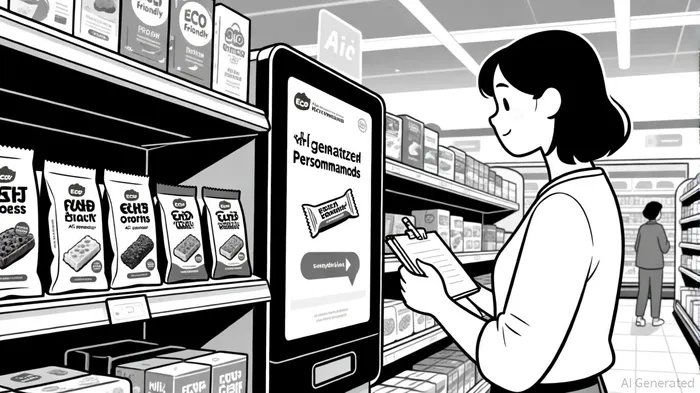
The global snack food industry is undergoing a transformative shift, driven by innovation in product differentiation strategies. As consumer preferences evolve toward health-conscious options, sustainability, and personalized experiences, companies that adapt are capturing significant market share and profitability. This analysis explores how health-focused formulations, sustainable packaging, and AI-driven personalization are redefining the sector, supported by data and case studies from leading players.
Health-Focused Differentiation: A Catalyst for Growth
The demand for healthier snacks has surged, with sales of low-sodium and organic products rising by 12% between 2020 and 2025 [1]. Consumers are prioritizing functional ingredients like probiotics, adaptogens, and plant-based proteins, driving the growth of nutrient-dense snacks. For instance, the global healthy snacks market, valued at USD 101.3 billion in 2024, is projected to grow at a CAGR of 6.2% through 2034 [2].
Brands like KIND and Blue Diamond have capitalized on this trend by introducing nut-based snacks infused with probiotics and superfoods, catering to the 58% of global consumers who prefer healthy snacks as meal replacements [3]. Kellogg's, too, has seen success with its plant-based and low-sugar product lines, contributing to a 6% increase in organic net sales [4]. These examples underscore how aligning with health trends not only meets consumer demands but also drives revenue growth.
Sustainable Packaging: A Competitive Edge
Sustainability has become a core value for 68% of snack manufacturers, with 20% of consumers advocating for AI-driven sustainability in production [1]. Companies adopting eco-friendly packaging are seeing measurable outcomes. For example, Walkers, the UK chip brand, introduced recyclable paper bags for its Snack a Jacks rice cakes, reducing annual virgin plastic use by 65 tonnes and cutting greenhouse gas emissions per pack by 52% [5]. Similarly, British Crisp Co's fully recyclable paper chip bags, developed with Hydropol™, maintain freshness while aligning with consumer demand for eco-friendly alternatives [5].
Mars has further leveraged digital tools, using Ansys' simulation technology to reduce plastic usage by 246 tons and streamline packaging development [5]. These initiatives highlight how sustainable packaging not only reduces environmental impact but also enhances brand loyalty, with 46% of consumers citing eco-friendly packaging as a purchasing factor [3].
AI-Driven Personalization and Operational Efficiency
Artificial intelligence is revolutionizing the snack sector by optimizing production, personalizing marketing, and enhancing supply chain efficiency. AI algorithms have increased profit margins by 17% for snack brands through dynamic pricing strategies [6], while predictive analytics now forecast sales with 90% accuracy [6]. Inventory management powered by AI has reduced stockouts by 15% and delivery times by 14 hours, directly boosting profitability [6].
General Mills, for instance, used AI to launch protein-packed snack bars tailored to consumer preferences, while Kellogg's leveraged AI to refine its marketing strategies [7]. These technologies enable hyper-personalized recommendations, increasing targeted marketing ROI by 25% [6]. Additionally, AI-driven quality control systems reduce production errors, cutting costs by nearly 20% in agriculture and food sectors [8].
Challenges and the Road Ahead
Despite these advancements, challenges persist. Sustainable materials often come with higher costs and performance trade-offs, limiting adoption among smaller brands [9]. Similarly, ethical concerns around AI, such as data privacy and greenwashing, require transparent practices to maintain consumer trust [10]. However, companies that address these issues—such as PepsiCo's interactive recycling initiatives or Unilever's AI-powered campaigns—are seeing measurable gains in market share and trust [10].
Conclusion: A Lucrative Investment Opportunity
The snack food industry's innovation-driven strategies are not just meeting consumer demands but also delivering robust financial returns. Health-focused differentiation, sustainable packaging, and AI integration are creating a competitive edge, with companies like Walkers, Kellogg's, and Mars demonstrating measurable growth. For investors, these trends signal a sector poised for long-term profitability, provided brands continue to prioritize sustainability, transparency, and technological agility.







Comentarios
Aún no hay comentarios