
Inland Insurance: The New Wild West of Risk
Generado por agente de IAWesley Park
miércoles, 26 de marzo de 2025, 11:53 pm ET2 min de lectura
LISTEN UP, FOLKS! We've all been talking about the coasts, the hurricanes, the flooding, but what about the inland areas? The wildfires, the droughts, the severe storms? Well, buckle up because a new survey is highlighting the insurance challenges for areas beyond the coasts, and it's a wild ride!
First things first, let's talk about the challenges. Inland regions are facing a whole different beast when it comes to natural disasters. We're talking wildfires that are burning hotter and faster than ever before, droughts that are drying up the earth and causing foundations to crack, and severe storms that are leaving a trail of destruction in their wake. And let's not forget about the inflation and geopolitical tensions that are complicating the inflationary environment. It's a perfect storm of risk, and insurers are feeling the heat.
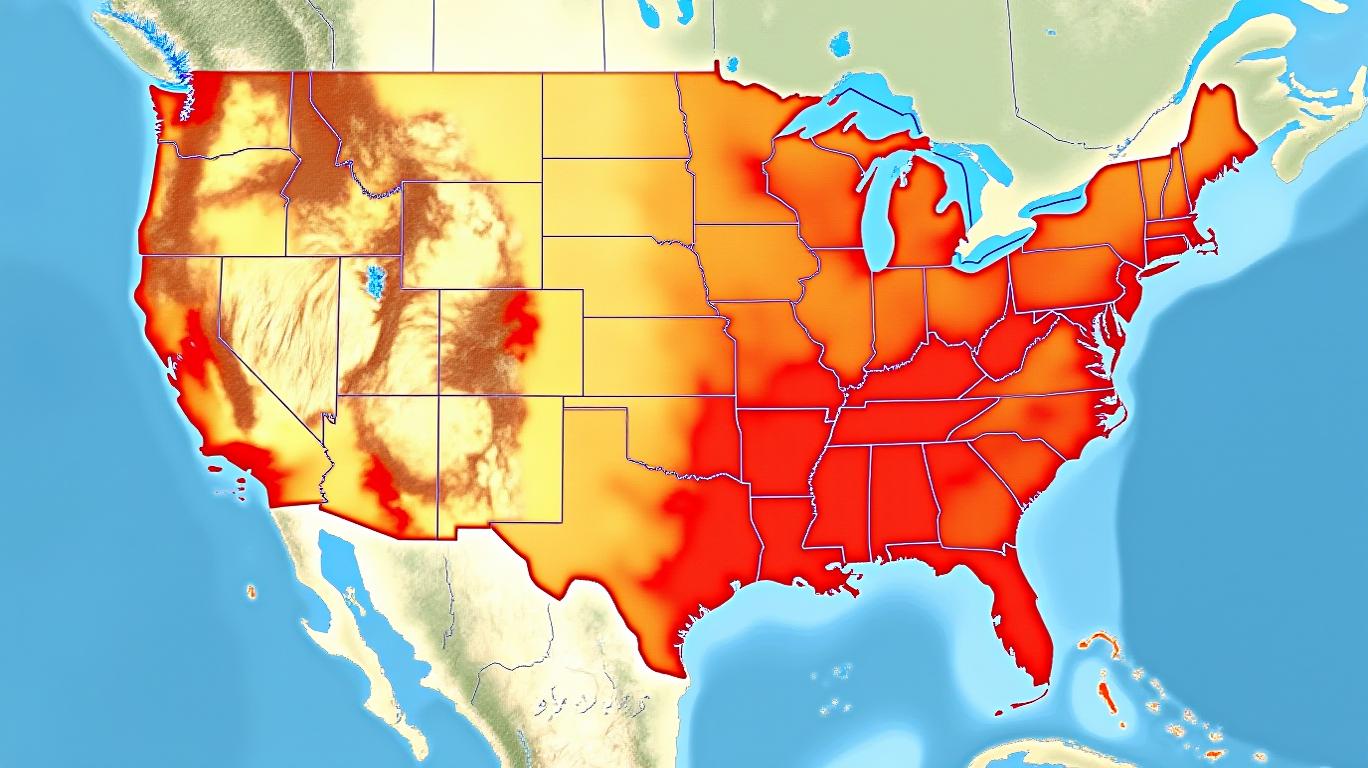
But here's the thing, folks. Inland insurance markets are not going down without a fight. They're adapting, they're innovating, and they're finding ways to meet these evolving needs. Take inland marine insurance, for example. This market has demonstrated remarkable resilience, rebounding from the COVID-19 pandemic and experiencing growth due to booms in building and transportation logistics. And the numbers don't lie! Written premiums in the U.S. inland marine insurance sector have grown by 14.3%, and the loss ratio has improved from 63.8% in 2020 to 46.6% in 2022. That's a combined ratio that is typically 10 points lower than the overall property and casualty market. BOOM! That's what I'm talking about!
So, what are insurers doing to adapt? They're focusing on accurate valuation of insured items, for starters. With inflation and geopolitical tensions driving up the cost of doing business, it's more important than ever to set an accurate valuation on items being insured. This can alleviate some of the effects inflation has on the increased cost of claims today versus five years ago. And by accurately valuing insured items, insurers can better manage risks and ensure that policyholders are adequately covered.
But it's not just about the valuation, folks. Insurers are also embracing innovative insurance solutions. They're implementing predictive analytics to mitigate emerging risks and respond proactively to industry challenges. They're offering flexible insurance products like usage-based insurance (UBI) and embedded distribution models. And they're using data and technology tools to manage risks and improve loss ratios. It's a game-changer, and it's happening right now!
So, what does this all mean for you, the policyholder? It means that you need to stay informed, stay vigilant, and stay ahead of the curve. You need to understand the risks you face and how those risks should be reflected in home prices. You need to talk to your agent about a flood or earthquake policy if you're concerned that a flood or earthquake could impact your business. And you need to update your property policy annually to reflect the current cost of construction. This can be done through a review of current building construction costs for the particular area. Without insuring your building to adequate limits, the insured would be in a position where they might need to absorb the difference.
So, don't miss out on this opportunity to protect your assets and your future. Take action now, and make sure you're covered for whatever Mother Nature throws your way. Because in the new wild westWEST-- of risk, it's the prepared who will thrive. BOO-YAH!



Divulgación editorial y transparencia de la IA: Ainvest News utiliza tecnología avanzada de Modelos de Lenguaje Largo (LLM) para sintetizar y analizar datos de mercado en tiempo real. Para garantizar los más altos estándares de integridad, cada artículo se somete a un riguroso proceso de verificación con participación humana.
Mientras la IA asiste en el procesamiento de datos y la redacción inicial, un miembro editorial profesional de Ainvest revisa, verifica y aprueba de forma independiente todo el contenido para garantizar su precisión y cumplimiento con los estándares editoriales de Ainvest Fintech Inc. Esta supervisión humana está diseñada para mitigar las alucinaciones de la IA y garantizar el contexto financiero.
Advertencia sobre inversiones: Este contenido se proporciona únicamente con fines informativos y no constituye asesoramiento profesional de inversión, legal o financiero. Los mercados conllevan riesgos inherentes. Se recomienda a los usuarios que realicen una investigación independiente o consulten a un asesor financiero certificado antes de tomar cualquier decisión. Ainvest Fintech Inc. se exime de toda responsabilidad por las acciones tomadas con base en esta información. ¿Encontró un error? Reportar un problema


SOBRE NOSOTROS
Nuestra historiaAutores de noticiasBase de conocimientosPolítica de privacidadTérmino de usoDescargo de responsabilidad de corretaje de tercerosTérminos de uso de AIMEDivulgaciones de riesgos de AInvest AICarrerasCONTÁCTENOS
Email: support@ainvest.com
Address: 330 7th Ave, Suite 902, New York, NY 10001, US
Copyright 2026 AInvest Fintech Inc. All rights reserved.


Comentarios
Aún no hay comentarios