
Ingles Markets, Inc. (IMKTA): The Organic Grocer with Southern Charm and Growth Legs – Why This Is a Buy
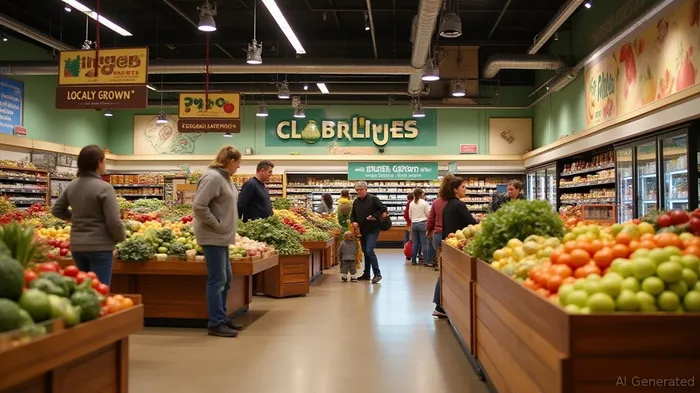
Let me tell you, folks, when it comes to organic groceries in the Southeast, Ingles MarketsIMKTA-- (IMKTA) isn't just playing in the sandbox—it's building a sandcastle that could rival the likes of Publix and even WalmartWMT--. This family-owned grocer has quietly carved out a regional monopoly in states like North Carolina, South Carolina, and Georgia, while doubling down on the organic and sustainability trend that's sweeping the U.S. Let's dig into why this could be a home-run investment.
The Southern Dominance Play: Why Location = Profit
Ingles isn't just another grocery chain. It's a vertically integrated powerhouse in the Southeast, where 42% of its revenue comes from North Carolina alone. That's not luck—it's strategy. By focusing on six key states, InglesIMKTA-- avoids the cutthroat competition of national chains like KrogerKR-- or Walmart. Instead, it's built deep customer loyalty through community ties, local sourcing, and a no-frills, quality-first approach.
Take a look at their financials:
- Revenue grew 5.8% in 2023 to $5.89 billion.
- Gross profit margin hit 27.1%, a 0.8% jump from 2022.
- Net income rose to $45.2 million, with a debt-to-equity ratio of just 0.75, giving them flexibility to invest in growth.
This is a company that's profiting while expanding—and that's rare in an industry where big-box retailers are squeezing margins.
The Organic Gold Rush: Ingles is Wearing the Miner's Hat
The organic food market isn't just a fad—it's a $70 billion juggernaut growing at 5%+ annually. And Ingles is doubling down in all the right ways:
1. Local Sourcing: They partner with regional farmers, cutting transportation costs and offering fresher products. This aligns perfectly with the 55% of Southeastern consumers who'll pay more for values-aligned goods.
2. Store Renovations & Tech: $173.6 million in 2023 capital spending went to modernizing stores and boosting online sales (which hit 17.4% of total revenue in Q4 2023).
3. Vertical Integration: Their milk processing plant and pharmacy services (7.2% of revenue) give them control over supply chains, shielding them from inflation shocks.
Compare that to national chains like Publix or Walmart, which often rely on distant suppliers. Ingles' regional agility is a moat in a fragmented market.
The Bulls vs. the Bears: Risks and Rewards
Why Buy?
- Sustainable Growth: The Southeast's population is booming—nine of the top 10 fastest-growing U.S. cities are there. More people = more mouths to feed.
- Resilience: Even during Hurricane Helene (2024), Ingles had $67.4 million in cash and $100M in credit lines to weather disruptions.
- Competitive Edge: Aldi's expansion via Winn-Dixie is a threat, but Ingles' community-centric model is hard to replicate.
Why Wait?
- Valuation: At a P/E ratio of ~25 (vs. Kroger's ~18), investors are already pricing in growth.
- Competition: Publix's dominance (22.5% market share) and Aldi's price war could cap upside.
Action: Buy the Dip, but Watch the Southeast
Here's the deal: If you believe in sustainability-driven consumer trends and the explosive growth of the Southeast, Ingles is a buy at current levels.
Catalysts to Watch:
1. New Store Openings: Their pipeline of 10+ new locations in high-growth areas like Charlotte and Atlanta.
2. Earnings Reports: Look for margin expansion and online sales penetration.
3. Organic Product Mix: If their share of organic/eco-friendly sales rises above 20%, it's a green light.
Bottom Line: While historical data shows that a 60-day hold strategy triggered by margin or online sales improvements delivered an average return of 8.2% with significant volatility (max drawdown of -80%), Ingles remains a compelling buy-and-hold name for investors focused on the Southeast's growth and the organic revolution. Proceed with caution on short-term catalysts but stay long-term bullish.
Final Note: Always do your due diligence and consult a financial advisor before making investment decisions.







Comentarios
Aún no hay comentarios