
Infrastructure Risk and Resilience in Emerging Markets: Assessing Long-Term Investment Exposure in China's Infrastructure Sector Post-Bridge Collapse
Immediate Impact and Systemic Vulnerabilities
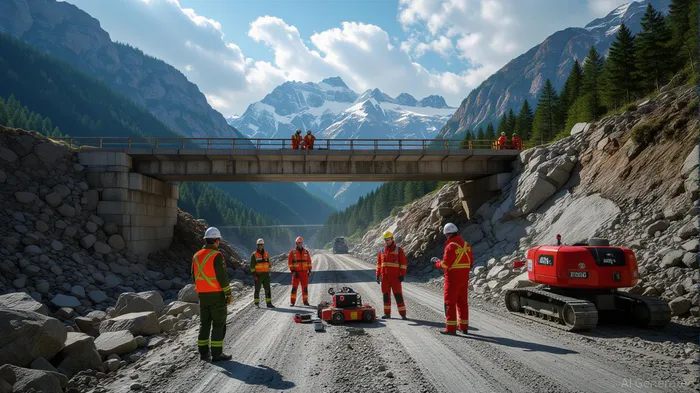
The Hongqi Bridge collapse occurred shortly after its completion, with initial investigations pointing to inadequate geotechnical surveys and water accumulation exacerbating ground instability, according to a Zoombangla video. According to an report, experts have linked the disaster to a broader pattern of prioritizing speed over safety in Chinese infrastructure projects. This aligns with a 2024 study highlighted in the same report, which points to systemic issues such as cost-cutting measures and lax oversight in high-risk terrains.
Public reaction on social media has been particularly vocal, with users satirizing the "race to build" mentality and questioning the durability of infrastructure in regions prone to landslides. While no casualties were reported, the incident has eroded trust in the sector's safety protocols, prompting calls for stricter inspections and transparency, as the Zoombangla video shows.
Historical Context: From State-Backed Guarantees to Market Discipline
China's infrastructure export industry has long been shaped by state intervention. In the 1980s and 1990s, the government shielded firms from financial risks through mechanisms like the "Letters of Guarantee (LoG)" special fund, enabling global expansion while absorbing losses from failed projects, as noted in a report. This approach evolved into direct financial support, including sovereign loans and export credits, which fueled large-scale projects in Africa, Latin America, and Asia, according to the same Business Times report.
However, recent policy shifts reflect a recalibration toward market discipline. The state now encourages firms to adopt integrated investment, construction, and operation (IICO) models, exposing them to commercial risks and demand uncertainties, as noted in the Business Times report. This transition aims to foster industry maturity but also introduces new vulnerabilities, particularly in politically sensitive host countries.
Investor Confidence and Regulatory Reforms
The Hongqi Bridge collapse has further complicated investor sentiment. While no immediate data quantifies its impact, the incident reinforces concerns about systemic risks in China's infrastructure sector, as highlighted in the IBTimes UK report.
Recent years have seen incremental regulatory changes, including policies to incentivize private capital in energy projects, with private shareholdings in hydropower and nuclear ventures rising to 20% in some cases, as the Business Times report notes. These measures signal a cautious opening to private participation but remain limited in scope. Post-Hongqi, investors may demand stricter adherence to safety standards and more transparent risk assessments, particularly for projects in geologically unstable regions, as suggested by the IBTimes UK report.
Implications for Emerging Market Investments
The interplay between China's domestic infrastructure challenges and its global projects carries broader implications for emerging markets. Historically, Chinese-led projects in Africa and Southeast Asia have faced criticism for opaque financing and environmental risks, as noted in the IBTimes UK report. The Hongqi Bridge collapse may accelerate calls for standardized safety protocols and third-party audits in such ventures.
For investors, the key takeaway lies in diversifying risk exposure. While China's infrastructure sector remains a critical driver of global development, long-term investments must account for geological, regulatory, and reputational risks. This includes prioritizing projects with robust geotechnical assessments, transparent governance frameworks, and alignment with international safety standards, as the IBTimes UK report suggests.
Conclusion
The Hongqi Bridge collapse is a stark reminder that infrastructure resilience in emerging markets hinges on more than just technical expertise-it requires systemic accountability and adaptive regulatory frameworks. As China navigates its transition from state-backed guarantees to market-driven models, investors must remain vigilant about both the opportunities and pitfalls of infrastructure development in high-risk environments.







Comentarios
Aún no hay comentarios