
Infrastructure Risk in Emerging Markets: Geopolitical and Engineering Vulnerabilities in China's Belt and Road Projects
A Case Study in Engineering Vulnerability: The
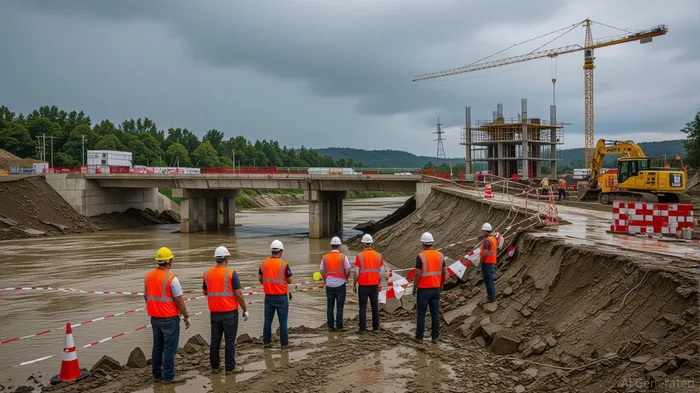
The Hongqi Bridge, ; Bridge Group, , , after landslides triggered by heavy rainfall and unstable geology undermined its foundations. Despite preemptive closures and visible cracks, the bridge's failure exposed critical gaps in safety protocols and design resilience, as noted in a DevDiscourse report. The DevDiscourse report also highlights the incident's impact on public scrutiny over infrastructure quality in mountainous regions, where geological instability and climate stressors compound risks, as seen in a Zoombangla video covering the collapse.
This collapse is not an isolated event. , with infrastructure projects often lacking robust environmental and social safeguards, as the World Bank report found. The Hongqi Bridge incident thus serves as a microcosm of broader engineering vulnerabilities-ranging from inadequate geological assessments to rushed construction timelines-plaguing BRI projects in ecologically fragile zones.
Geopolitical Risks and Strategic Competition
The BRI's geopolitical footprint has expanded rapidly, but so have its risks. By 2025, , with Chinese state-owned enterprises (SOEs) dominating key sectors like ports and railways, as the Thomson Reuters piece reported. However, this dominance has sparked pushback. The U.S. and its allies have criticized the BRI for opaque lending practices and "debt-trap diplomacy," while countries like Panama and Sri Lanka have renegotiated or withdrawn from agreements under pressure, as the CFR report found.
The Biden administration's $20 billion railway project in Angola, backed by G7 nations, exemplifies the growing strategic competition to counter China's influence, as noted in a . Meanwhile, the UK has curtailed foreign direct investment in BRI countries, citing supply chain and political risks, as the same CEPR column noted. These dynamics highlight how geopolitical tensions can disrupt project timelines, inflate costs, and complicate debt restructuring-a reality investors must factor into their risk models.
Investor Implications: Equities, , and Regional Bonds
For infrastructure equities, the Hongqi Bridge collapse and similar incidents signal heightened reputational and operational risks. Companies involved in BRI projects, particularly those with weak ESG track records, may face regulatory scrutiny and capital flight, as the reported. Investors in construction firms like Sichuan Road & Bridge Group must now weigh not only technical expertise but also transparency in risk management, as AidData's analysis found.
ESG funds, meanwhile, face a paradox. While the BRI's "green" rhetoric includes pledges to reduce coal-fired power projects, , , as the Sanchez report found. For ESG-focused portfolios, this discrepancy underscores the need for rigorous due diligence on project-level environmental impact assessments and governance structures.
Regional development bonds, particularly in BRI corridor economies, remain exposed to debt sustainability crises. The World Bank warns that 12 countries could face deteriorating credit ratings due to opaque procurement processes and overreliance on Chinese financing, as the World Bank report found. Investors in sovereign bonds from nations like Pakistan or Angola must scrutinize debt-to-GDP ratios and renegotiation risks, especially as global interest rates remain elevated.
Conclusion: Navigating a Complex Risk Landscape
The Hongqi Bridge collapse is a stark reminder that infrastructure projects in emerging markets are inherently vulnerable to both natural and geopolitical forces. For investors, the path forward requires a nuanced approach: diversifying exposure across sectors, prioritizing projects with transparent governance, and leveraging ESG frameworks to mitigate reputational and regulatory risks. As the BRI evolves, so too must the strategies of those who seek to capitalize on its promise while safeguarding against its perils.







Comentarios
Aún no hay comentarios