
Infrastructure-Driven Industrial Real Estate Gains Momentum in Upstate New York
Webster, NY: A Model for Infrastructure-Driven Revitalization
The FAST NY grant has been pivotal in transforming a former Xerox brownfield into a "shovel-ready" site for advanced manufacturing and logistics. According to a report, infrastructure upgrades-including road redesign, sewer expansion, and electrical grid modernization-have reduced industrial vacancy rates to a mere 2%, far below the national average of 7.4%. This has attracted significant private investment, such as the $650 million fairlife® dairy plant, which is projected to create 250 jobs and further stimulate local economic activity.
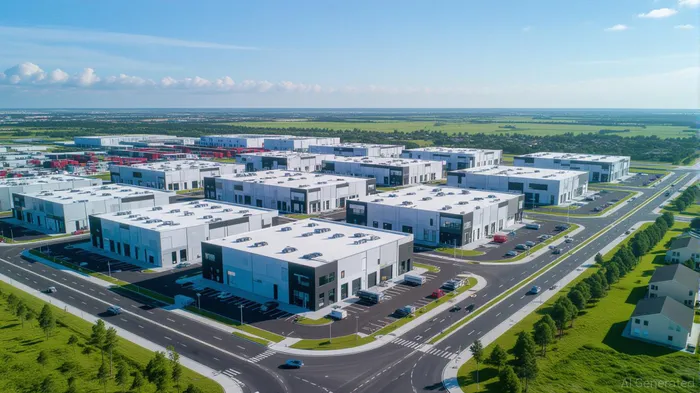
The economic ripple effects extend beyond industrial development. Residential property values in Webster have surged by 10.1% annually since 2020, reflecting the area's growing appeal as a mixed-use destination. This "bluefield" development model, blending manufacturing with residential and commercial zones, reduces commute times and supports workforce housing, addressing a critical challenge for modern industrial hubs.
Public-Private Partnerships and Strategic Location
The Xerox campus reconfiguration in Webster highlights the power of public-private collaboration. While the FAST NY grant provides foundational infrastructure, Xerox has contributed $1.8 million to road improvements, and the NY Forward Program offers additional funding. These partnerships create a robust framework for attracting industries such as semiconductor production and renewable energy, which require reliable infrastructure and proximity to major transportation corridors like I-90.
By 2026, nearly one million square feet of industrial space is expected to be available for use, positioning Webster as a competitive alternative to high-cost coastal markets. This aligns with Governor Hochul's strategy to decentralize manufacturing and strengthen regional supply chains, further enhancing the site's long-term viability.
Broader Implications for Industrial Land Investment
Webster's success story offers a replicable model for Upstate New York. While some regions grapple with high warehouse vacancy rates, strategic investments in infrastructure can transform underutilized land into high-demand assets. The Northeast Area for Technology (NEAT) site, for instance, demonstrates how brownfields can be repurposed to meet the needs of modern manufacturing while fostering community growth.
Investors should prioritize regions with similar characteristics: proximity to major transportation networks, access to public grants, and a collaborative public-private ecosystem. As companies increasingly prioritize supply chain resilience and cost efficiency, locations like Webster will become critical nodes in the evolving industrial real estate map.
Conclusion
The Webster, NY case study illustrates the transformative potential of infrastructure-driven development. By leveraging grants like FAST NY and fostering public-private partnerships, underutilized land assets can be repositioned as high-value industrial hubs. For investors, this underscores the importance of aligning with strategic economic development zones where infrastructure upgrades directly enhance asset performance and market demand. As Upstate New York continues to attract manufacturers and logistics firms, the lessons from Webster will likely shape the next wave of industrial real estate innovation.







Comentarios
Aún no hay comentarios