
Inflation Rises To 2.9% In December: Core Slows, Yet Rising Energy Costs Put Fed's Target At Risk
Generado por agente de IACyrus Cole
miércoles, 15 de enero de 2025, 8:59 am ET1 min de lectura
MASS--
Inflation in the United States rose to 2.9% in December, driven by surging energy costs, according to the latest consumer price index (CPI) data released by the Bureau of Labor Statistics (BLS). While the core CPI, which excludes volatile food and energy prices, slowed to 3.2% from 3.3% in November, the overall inflation rate remained above the Federal Reserve's (Fed) 2% target. Rising energy costs, particularly gasoline prices, have been a significant contributor to the recent inflation surge, raising concerns about the Fed's ability to achieve its long-term inflation target.
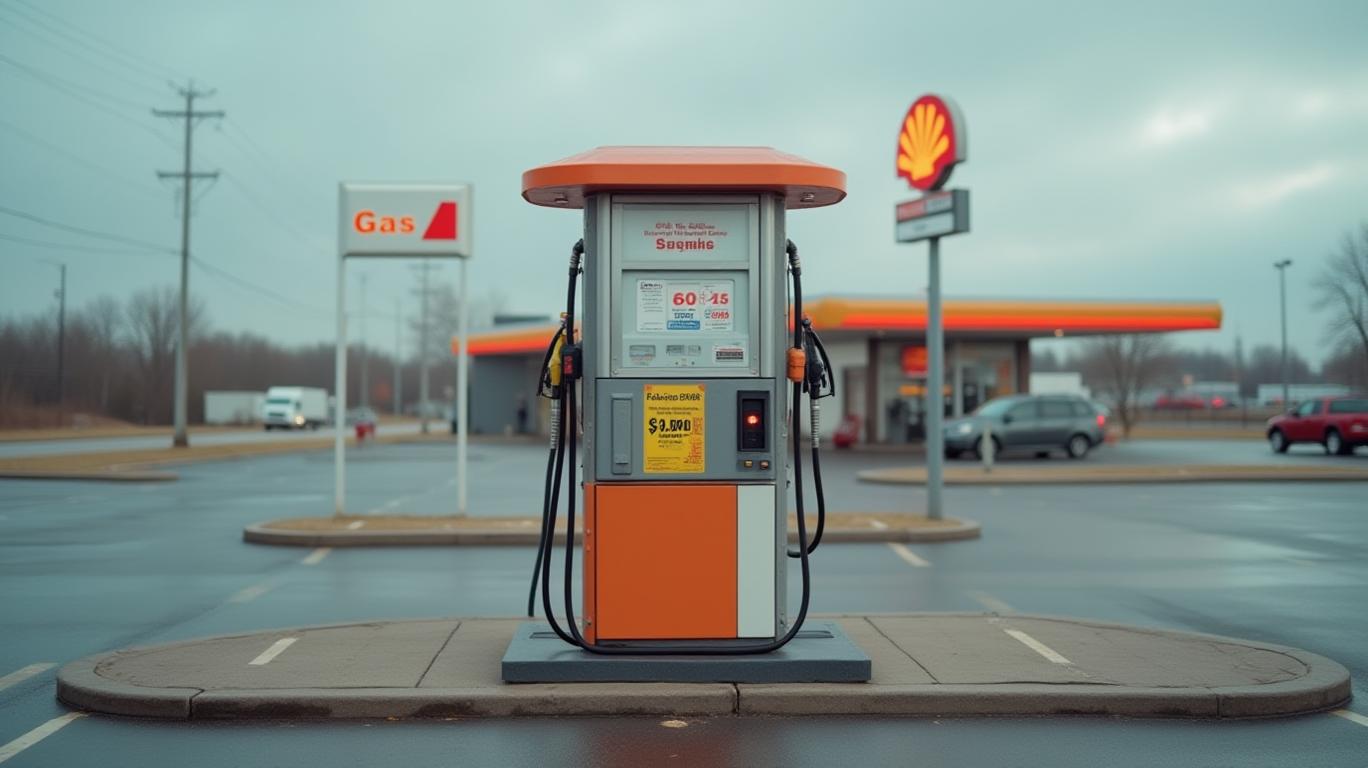
The December CPI report showed that energy prices increased 2.6% on a monthly basis, with gasoline prices surging 4.6%. This increase accounted for about 40% of the overall CPI gain, according to the BLS. Food prices also rose, up 0.3% for the month. On an annual basis, food prices rose 2.5% in 2024, while energy nudged down by 0.5%.
The Fed has been grappling with the last leg of its inflation battle, trying to push the CPI to a 2% annual rate. However, the recent surge in energy prices, particularly gasoline, has made it more challenging for the central bank to achieve its target. Higher energy costs increase production costs for businesses, which can lead to higher prices for goods and services. Persistent high energy prices can also lead to higher inflation expectations among consumers and businesses, creating a self-reinforcing loop that makes it more difficult for the Fed to achieve its 2% target.
The Fed has been raising interest rates to combat inflation, but higher interest rates can slow down economic growth and potentially lead to a recession. If energy prices remain high, the Fed may have to choose between accepting higher inflation or risking a recession by raising interest rates too aggressively. This delicate balance has led some economists to express concern about the incoming Trump administration's economic plans, which include new tariffs, tax cuts, and mass deportations, as these policies could reignite inflation.
In conclusion, the recent surge in energy prices, particularly gasoline, has put the Fed's 2% inflation target at risk. While the core CPI has slowed, the overall inflation rate remains above the target, and rising energy costs continue to pose a challenge to the Fed's ability to achieve its long-term goal. The Fed will need to carefully balance its response to rising energy costs to maintain price stability and promote economic growth without risking a recession.
Inflation in the United States rose to 2.9% in December, driven by surging energy costs, according to the latest consumer price index (CPI) data released by the Bureau of Labor Statistics (BLS). While the core CPI, which excludes volatile food and energy prices, slowed to 3.2% from 3.3% in November, the overall inflation rate remained above the Federal Reserve's (Fed) 2% target. Rising energy costs, particularly gasoline prices, have been a significant contributor to the recent inflation surge, raising concerns about the Fed's ability to achieve its long-term inflation target.
The December CPI report showed that energy prices increased 2.6% on a monthly basis, with gasoline prices surging 4.6%. This increase accounted for about 40% of the overall CPI gain, according to the BLS. Food prices also rose, up 0.3% for the month. On an annual basis, food prices rose 2.5% in 2024, while energy nudged down by 0.5%.
The Fed has been grappling with the last leg of its inflation battle, trying to push the CPI to a 2% annual rate. However, the recent surge in energy prices, particularly gasoline, has made it more challenging for the central bank to achieve its target. Higher energy costs increase production costs for businesses, which can lead to higher prices for goods and services. Persistent high energy prices can also lead to higher inflation expectations among consumers and businesses, creating a self-reinforcing loop that makes it more difficult for the Fed to achieve its 2% target.
The Fed has been raising interest rates to combat inflation, but higher interest rates can slow down economic growth and potentially lead to a recession. If energy prices remain high, the Fed may have to choose between accepting higher inflation or risking a recession by raising interest rates too aggressively. This delicate balance has led some economists to express concern about the incoming Trump administration's economic plans, which include new tariffs, tax cuts, and mass deportations, as these policies could reignite inflation.
In conclusion, the recent surge in energy prices, particularly gasoline, has put the Fed's 2% inflation target at risk. While the core CPI has slowed, the overall inflation rate remains above the target, and rising energy costs continue to pose a challenge to the Fed's ability to achieve its long-term goal. The Fed will need to carefully balance its response to rising energy costs to maintain price stability and promote economic growth without risking a recession.

Divulgación editorial y transparencia de la IA: Ainvest News utiliza tecnología avanzada de Modelos de Lenguaje Largo (LLM) para sintetizar y analizar datos de mercado en tiempo real. Para garantizar los más altos estándares de integridad, cada artículo se somete a un riguroso proceso de verificación con participación humana.
Mientras la IA asiste en el procesamiento de datos y la redacción inicial, un miembro editorial profesional de Ainvest revisa, verifica y aprueba de forma independiente todo el contenido para garantizar su precisión y cumplimiento con los estándares editoriales de Ainvest Fintech Inc. Esta supervisión humana está diseñada para mitigar las alucinaciones de la IA y garantizar el contexto financiero.
Advertencia sobre inversiones: Este contenido se proporciona únicamente con fines informativos y no constituye asesoramiento profesional de inversión, legal o financiero. Los mercados conllevan riesgos inherentes. Se recomienda a los usuarios que realicen una investigación independiente o consulten a un asesor financiero certificado antes de tomar cualquier decisión. Ainvest Fintech Inc. se exime de toda responsabilidad por las acciones tomadas con base en esta información. ¿Encontró un error? Reportar un problema


SOBRE NOSOTROS
Nuestra historiaAutores de noticiasBase de conocimientosPolítica de privacidadTérmino de usoDescargo de responsabilidad de corretaje de tercerosTérminos de uso de AIMEDivulgaciones de riesgos de AInvest AICarrerasCONTÁCTENOS
Email: support@ainvest.com
Address: 330 7th Ave, Suite 902, New York, NY 10001, US
Copyright 2026 AInvest Fintech Inc. All rights reserved.


Comentarios
Aún no hay comentarios