
Inflation's New Frontier: Tariff-Driven Pressure and TIPS Opportunities in a Cooling Economy
The U.S. inflation landscape has entered a new phase, with cooling annual rates masking persistent structural pressures. The April 2025 CPI report showed a 2.3% year-over-year increase—the lowest since 2021—but beneath the headline figure lies a complex interplay of sector-specific trends. For fixed-income investors, this environment presents a critical question: How do tariff-driven inflationary pressures, alongside entrenched costs like shelter, shape opportunities in Treasury inflation-protected securities (TIPS)?
The Inflation Tapestry: Cooling, but Not Quiet
The April CPI data reveals a bifurcated economy. While energy prices fell 3.7% annually (offsetting gasoline declines with surging natural gas costs), shelter costs rose 4.0% year-over-year—accounting for over half of the monthly inflation increase. Meanwhile, tariff-sensitive sectors like apparel (-0.7% annual decline) and transportation equipment (notably resilient due to used car price stability) highlight the uneven impact of trade policies.
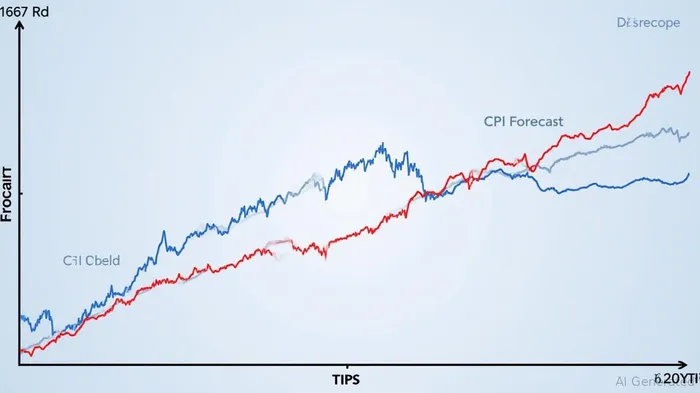
The shelter component, driven by rent and owner-occupied housing costs, remains the largest single inflationary force. This is no transient blip; housing supply shortages and rising mortgage rates ensure this pressure will linger. Add to this the tariff-driven headwinds: even as the pass-through of recent 2025 tariffs (e.g., 10% on Chinese goods, 25% on Canadian/Mexican items) is partial (54% of theoretical impact), they create a persistent drag on certain CPI components like transportation and apparel.
Tariffs: A New Inflation Engine
The latest research underscores how tariffs have become a structural, if uneven, inflationary force. The 2025 tariffs on China, Mexico, and Canada added 0.08% to core PCE inflation by March—modest but meaningful. Key takeaways from the data:
1. Sector-specific hits: Transportation equipment (e.g., auto parts) and fabricated metals face AETRs (average effective tariff rates) exceeding 25%, directly elevating input costs.
2. Geographic hotspots: Manufacturing hubs in the Midwest and Southern California see localized CPI pressures due to reliance on tariff-affected imports.
3. Partial pass-through, but persistent: While businesses absorbed some costs initially, sustained tariffs force gradual price adjustments, creating a "smoldering" inflation effect.
The breakeven inflation rate—the gap between TIPS and nominal Treasuries—has compressed to 2.1%, near multiyear lows. This suggests markets underprice inflation risks, especially those tied to trade policies.
Why TIPS Still Shine
TIPS are designed to thrive in environments where inflation is persistent but unpredictable—exactly the scenario tariffs and shelter costs now define. Here's why they deserve a strategic allocation:
- Principal Adjustments: TIPS' inflation-indexed principal means investors gain from even moderate CPI increases. With shelter costs alone contributing 4.0% annually, this protection is non-negotiable.
- Tail Risk Hedge: Tariffs introduce upside inflation surprises. A sudden escalation (e.g., a 60% tariff on China) could add 2.2% to core PCE, as modeled in recent studies. TIPS buffer against such shocks.
- Relative Value: The breakeven rate implies inflation will average 2.1% over the next decade—a stretch given demographic pressures on housing and geopolitical trade risks. TIPS offer a margin of safety.
Investment Strategy: Overweight TIPS, Target Duration
For fixed-income portfolios, TIPS should form the core of inflation hedging. Consider these steps:
- Ladder Maturities: Focus on 5–10 year TIPS to balance inflation protection with liquidity. The iShares TIPS ETF (TIP) offers broad exposure.
- Monitor Tariff Dynamics: Track CPI components tied to trade-sensitive sectors (transportation, apparel) via metrics like the PCE price index for motor vehicles. Rising tariffs could justify extending duration.
- Underweight Nominal Bonds: With yields already pricing in low inflation, nominal Treasuries offer little cushion against tariff-driven surprises.
Conclusion: Inflation's New Rules Demand New Tools
The CPI's headline decline masks a deeper truth: inflation is evolving, not disappearing. Shelter costs and tariff-driven sectoral pressures ensure a baseline of persistent inflation, even as headline metrics cool. TIPS, with their unique inflation-linking mechanism, are positioned to outperform in this environment. Investors who ignore these structural shifts risk underperforming in the years ahead.
The message is clear: in an economy where inflation is redefined—not retired—TIPS are the compass for navigating the next chapter.
Disclosure: This analysis is for informational purposes only and not a recommendation for specific investments. Always consult a financial advisor.







Comentarios
Aún no hay comentarios