
Inflation Fears Overshadow Trade Tariff Optimism in Mixed US Equity Markets
The U.S. equity markets find themselves in a tug-of-war between cautious optimism over recent trade tariff developments and mounting anxiety over rising inflation expectations. While sectors benefiting from reduced trade tensions have shown resilience, broader market performance remains uneven as investors grapple with the specter of higher prices. This dynamic has left major indexes like the S&P 500 and Nasdaq in a holding pattern, with gains in specific industries offset by broader concerns about the economic outlook.
Trade Tariff Developments: A Fragile Bright Spot
Recent diplomatic efforts to ease trade tensions—particularly in the technology and manufacturing sectors—have provided a lifeline to companies reliant on global supply chains. Sectors such as industrials and semiconductors, which were hit hard by earlier tariffs, have seen share price recoveries as uncertainty subsides. For instance, highlights a modest outperformance, reflecting reduced trade-related headwinds.
However, this optimism is tempered by the reality that tariff policies remain politically volatile. Even as certain sectors rebound, the durability of these gains hinges on sustained cooperation between major trading partners—a fragile assumption in today’s geopolitical landscape.
Inflation Expectations: The Elephant in the Room
While trade news dominates headlines, the real market mover is inflation. The 10-year Treasury breakeven rate—a gauge of inflation expectations—has surged to multiyear highs, signaling a shift in investor sentiment. 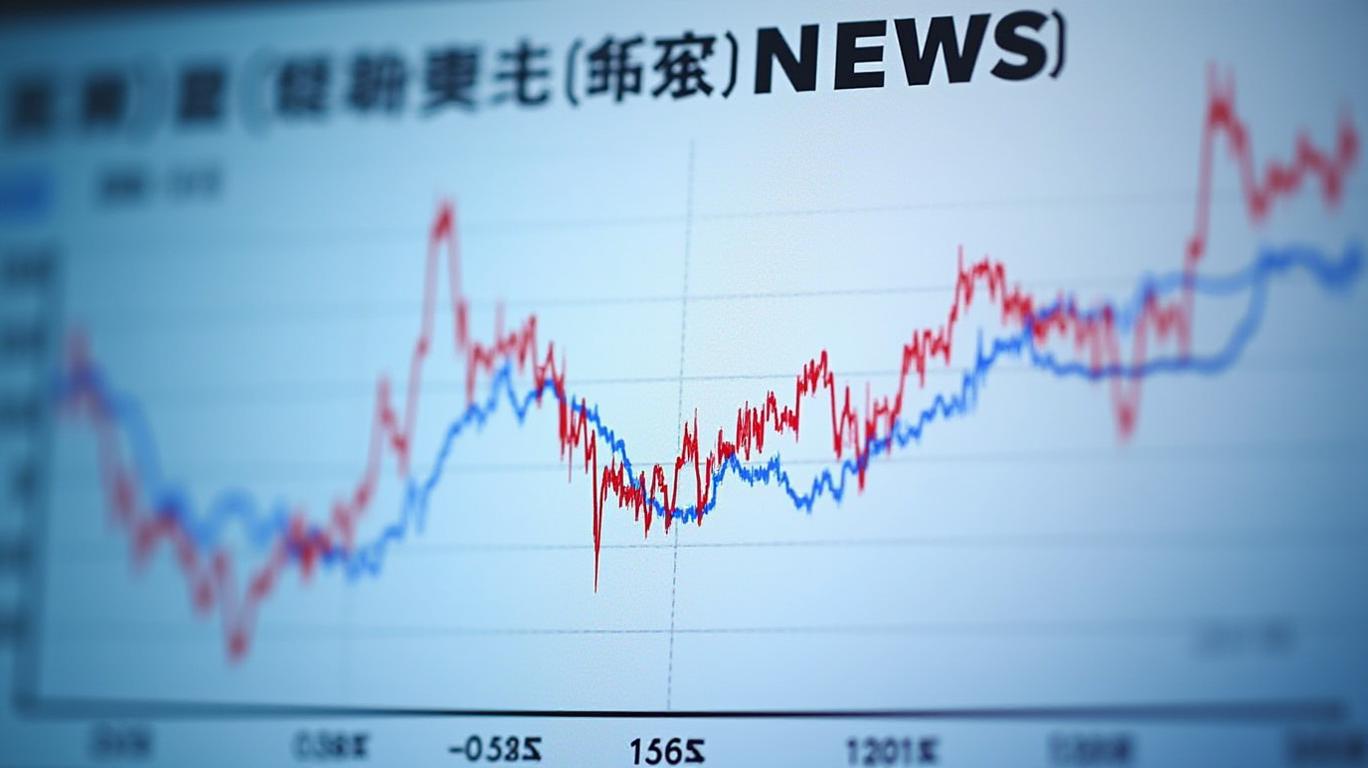 underscores the correlation between rising inflation concerns and market uncertainty.
The surge is driven by persistent supply chain bottlenecks, energy price volatility, and labor market tightness. For example, reveal a clear upward trend, with PPI rising 9.5% year-over-year in July—a rate not seen since the 1970s. Such data has investors questioning whether inflation is a transitory blip or a structural shift.
Equity Markets: Stuck Between Two Forces
The S&P 500’s recent performance reflects this dichotomy. While the index has held near record highs, its intra-day volatility has increased, with sharp swings following inflation reports. Meanwhile, sectors exposed to rising costs—such as consumer discretionary and real estate—are lagging. shows energy outperforming by nearly 25%, a stark contrast to the struggles of consumer stocks.
The Nasdaq, heavily weighted in technology, has fared better due to its reliance on innovation rather than inflation-sensitive inputs. However, even tech faces headwinds: higher interest rates, which typically rise with inflation expectations, could pressure the sector’s high valuations.
Conclusion: Navigating the Crosscurrents
Investors must navigate a landscape where trade optimism is outweighed by inflationary risks. Historically, periods of rising inflation favor cyclical sectors such as energy, materials, and industrials—precisely those benefiting from current trade policies. However, if inflation becomes entrenched, central banks may respond with aggressive rate hikes, which could derail equity gains.
The Federal Reserve’s next move is critical. If the Fed signals a pivot to combat inflation more aggressively, bond yields could spike, compressing equity valuations. Conversely, if inflation moderates, the market’s current mixed performance could give way to a broader rally. For now, the data points to caution: shows that when rates rise, P/E multiples often compress.
In this environment, investors should prioritize sectors with pricing power and inflation hedging characteristics while maintaining flexibility to pivot as the inflation narrative evolves. The market’s mixed signals are unlikely to resolve soon—but the clues lie in the data.





Comentarios
Aún no hay comentarios