
Industrial Distribution Sector Under Pressure: Pricing Power Erosion and Margin Compression in 2025
The industrial distribution sector is facing a perfect storm of margin compression and pricing power erosion in 2025, driven by macroeconomic headwinds, structural shifts, and intensifying competition. FastenalFAST-- (FAST), a bellwether in the space, exemplifies these challenges. Despite reporting $2.13 billion in Q3 2025 revenue-a 11.7% year-over-year increase-the company's stock fell 3.9% post-earnings due to cautionary guidance on Q4 margin pressures in its Q3 earnings release. This reaction underscores a broader industry trend: even as top-line growth persists, profitability is under siege from cost inflation, pricing concessions, and operational inefficiencies.
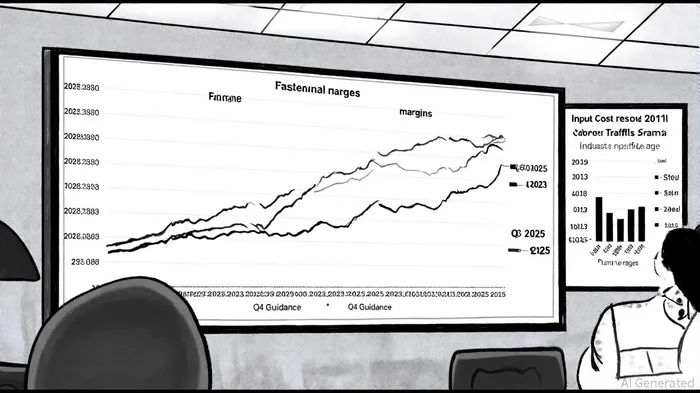
Fastenal's Q3 2025: Growth Amid Margin Headwinds
Fastenal's Q3 results revealed a mixed picture. Gross profit margin improved to 45.3% (up 0.4 percentage points year-over-year), driven by fastener expansion and supplier incentives, according to the Motley Fool earnings call transcript. Operating margin held steady at 20.7%, and net income rose 12.6% to $335.5 million, per the Intellectia earnings page. However, these gains were tempered by strategic pricing delays-Fastenal postponed price increases by 30 days to avoid alienating customers-and concerns about tariff-driven cost spikes. CEO Dan Florness emphasized the need to "balance customer relationships with cost pressures," noting, in Investing.com highlights, that pricing actions contributed only 2.5–2.7% to growth, below initial expectations of 5–8%.
The stock's post-earnings decline reflected investor skepticism about Q4. Fastenal warned of "potential margin squeeze" due to delayed pricing actions and ongoing tariff impacts in the Motley Fool transcript. This guidance aligns with broader sector trends: industrial distributors are grappling with a 7.4% year-over-year rise in average hourly wages, according to a Lion Business report, 30% higher steel prices in an Aprio analysis, and a 13% surge in warehousing costs, per a Tradlinx analysis.
This reaction is not without precedent. Historical analysis of similar events suggests that the market's response to earnings misses can significantly impact short-term performance, underscoring the importance of management's guidance and strategic adjustments.
Sector-Wide Vulnerabilities: A Perfect Storm
Fastenal's struggles are not isolated. The industrial distribution sector is experiencing systemic margin compression, with EBITDA margins for small-cap industrials and transportation firms remaining below historical averages despite modest growth projections, according to a Mordor Intelligence report. Key drivers include:
- Tariff and Trade Policy Uncertainty: Rising tariffs on steel and aluminum have forced companies to redirect supply chains. Fastenal, for instance, shifted imports to Canada and Mexico to bypass U.S. tariffs, as detailed in a Distribution Strategy piece. However, such moves come with logistical complexities and higher compliance costs.
- Input Cost Volatility: Commodity prices for copper and natural gas have doubled year-over-year in a Blue Ridge Partners insight, while logistics inflation-driven by port congestion and fuel volatility-has eroded freight brokerage margins to 13.0% in May 2025, per a RandTech report.
- Pricing Power Erosion: A Coherent Market Insights report found that 82% of industrial companies raised prices by at least 5% in 2024, but many failed to capture full value due to poor execution, including weak customer communication and inadequate sales enablement. Fastenal's 2.5–2.7% pricing realization in Q3 reflects this trend.
- Digital Disruption: While e-commerce platforms are reducing transaction costs by up to 90%, per the Mordor Intelligence report, traditional branch-based models still dominate 72.39% of the market, according to a Pricefx analysis. Distributors like Fastenal are investing in digital tools to retain customers but face high capital costs for automation and IoT integration, observed in a GrowByData article.
Strategic Responses and Investor Implications
Companies are adopting agile strategies to mitigate these pressures. Fastenal's focus on fastener expansion and supplier negotiations, noted in a Monexa blog post, mirrors industry-wide shifts toward value-based pricing and dynamic pricing models, described in an MDM article. For example, one distributor implemented a pricing engine that improved margins by 200 basis points in a Bluwave case study, while AI-driven analytics are helping firms anticipate market shifts, according to RevenueML insights.
However, execution remains a hurdle. Poor pricing communication and over-discounting have led to missed revenue opportunities for 82% of industrial firms, as previously noted in the Blue Ridge Partners insight. Investors should prioritize companies with robust pricing governance frameworks and digital capabilities. Fastenal's 62.2% digital sales penetration in Q4 2024, reported in the Monexa blog post, suggests progress, but its 0.4% year-over-year gross margin decline, flagged in a Forbes analysis, highlights lingering vulnerabilities.
The Road Ahead
The industrial distribution market is projected to grow at a 5.41% CAGR through 2030, according to the Mordor Intelligence report, but this optimism is tempered by near-term risks. For Fastenal and peers, success will depend on balancing pricing agility with customer retention, leveraging technology to offset input costs, and navigating trade policy uncertainties. Investors must weigh these factors against sector-wide margin compression and the likelihood of further pricing concessions in 2025.







Comentarios
Aún no hay comentarios