
Indonesia's Energy Crossroads: Renewable Goldmines Amid Fossil Fuel Stranded Assets
Indonesia stands at a pivotal juncture in its energy future, balancing ambitious renewable targets against entrenched fossilFOSL-- fuel dependencies. With its 60GW renewable energy goal by 2030 and a delayed coal phase-out, the nation offers both strategic opportunities in solar, hydro, and geothermal infrastructure and significant risks for investors in coal-linked assets. As the world's fourth-most populous nation races toward net-zero by 2060, this article dissects the investment landscape, urging capital to pivot toward flexible renewables while avoiding stranded fossil fuel assets.
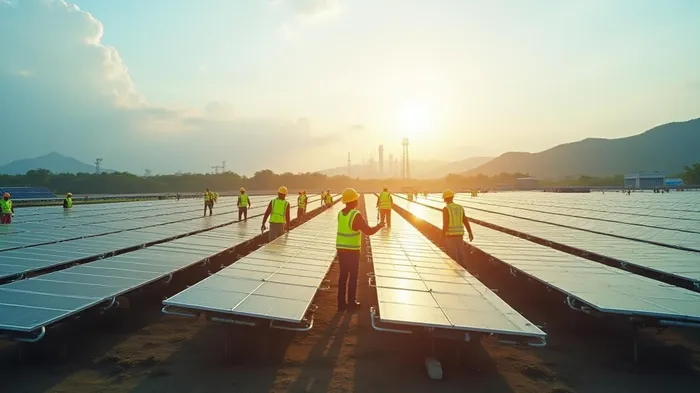
1. Renewable Infrastructure: A Decade of Growth (and Profit)
Indonesia's revised renewable target—now 17-19% of the energy mix by 2025—remains achievable through solar, hydro, and geothermal projects. Here's why investors should act now:
- Solar Power: With a 17GW target by 2034 and rooftop solar mandates (Regulation No. 2/2024), solar is the fastest-growing sector. PLN's underperformance (0.6GW/year vs. 2.1GW targets) creates opportunities for private developers. The diesel-to-solar substitution program alone could unlock $9.4 billion in projects by 2030.
- Hydropower: At 16GW by 2034, Indonesia's hydropower potential is underleveraged. The government's focus on coal-producing regions like East Kalimantan (2.7GW of renewables by 2030) opens access to low-cost hydropower sites.
- Geothermal: A 5GW target by 2034 leverages Indonesia's global leadership in geothermal reserves. Projects like the Wayang-Windu plant (1.2GW capacity) demonstrate scalability, with international investors already securing partnerships.
Investment Call: Back project finance vehicles tied to solar and hydropower pipelines. Look for firms with land rights, grid access, or partnerships with PLN.
PLN's financial strain underscores the need for private capital to fill gaps in renewable infrastructure.
2. Coal: A Sunset Sector with Hidden Risks
Despite delayed phase-outs and new coal plant approvals, investors in coal-linked assets face stranded asset risks post-2040. Key red flags:
- Policy Backtracking: While coal capacity additions (6.3GW by 2034) suggest resilience, Indonesia's 2040 phase-out targets and peak emissions forecast for 2037 mean coal's utility lifespan is shrinking.
- Stranded Costs: Retiring existing coal plants could cost $15 billion in write-offs. The Cirebon-1 coal plant's early closure (via a $325 million refinancing package) hints at future liabilities for stranded assets.
- Market Shifts: Declining global coal demand and China's withdrawal from coal financing leave Indonesia's coal exports vulnerable.
Investment Warning: Avoid coal-mining equities (e.g., PT Adaro Energy) and PLN bonds. Coal's “reliability” is a myth in a carbon-constrained world.
3. Nuclear and Energy Storage: Proceed with Caution
While Indonesia's nuclear ambitions (0.5GW by 2032) and energy storage targets (4GWh/year) are part of its 2060 plan, they pose mixed risks:
- Nuclear: High costs and regulatory hurdles (e.g., public opposition) may delay timelines. Investors should prioritize energy storage instead—batteries are critical to stabilize renewables, and Indonesia's lithium reserves offer a competitive edge.
- Wind and Offshore: Underperforming (0.01GW added since 2018), wind energy requires policy fixes to compete. Focus on floating solar and hybrid projects with geothermal/hydro for baseload stability.
Investment Call: Prioritize energy storage startups and hybrid renewable developers over nuclear ventures.
Conclusion: Act Now—Before the Transition Accelerates
Indonesia's energy transition is a race against time—and capital. The $21.5 billion JETP funding gap and PLN's financial woes create openings for agile investors in renewables. Solar, hydro, and geothermal projects offer stable returns with policy tailwinds, while coal-linked assets face existential risks as emissions peak in 2037.
The trendline is clear: renewables are the future. Coal's decline is inevitable.
Final Recommendation: Deploy capital into renewable infrastructure funds, grid connectivity projects, and energy storage technologies. Avoid coal assets entirely—stranded risks are too great. The window to profit from Indonesia's clean energy shift is narrowing. Act swiftly.
Opportunity favors the bold. Indonesia's energy transition is no exception.







Comentarios
Aún no hay comentarios