
Indonesia's Budget Cuts: A Double-Edged Sword for Investors
Generado por agente de IAWesley Park
jueves, 20 de febrero de 2025, 7:40 am ET1 min de lectura
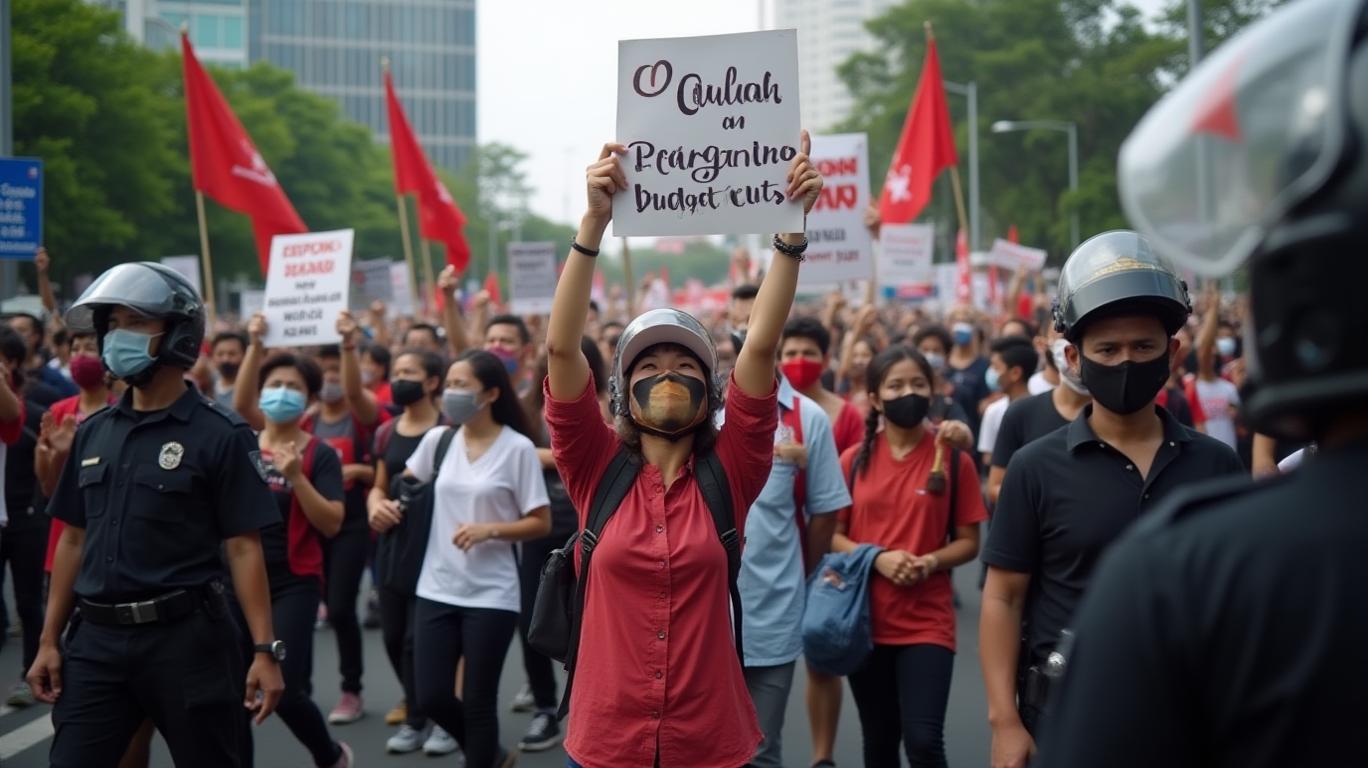
The Indonesian government, under the leadership of President Prabowo Subianto, has recently implemented significant budget cuts and reallocations, aiming to plug a hole in the free meal program expenses. While these measures have sparked protests from students and the public, they also present both opportunities and challenges for investors in the country.
On one hand, the budget cuts have led to disruptions in government services and potential job losses, as seen with the furlough of thousands of government contract workers. Additionally, the postponement of the scholarship program for employees may impact the education sector, with students and employees facing financial difficulties in pursuing their studies. These short-term disruptions can negatively affect investor confidence in the Indonesian economy.
On the other hand, the reallocation of funds to priority programs, such as free nutritious meals for children and expectant mothers, food and energy self-sufficiency, and healthcare improvements, is expected to have positive long-term effects on the economy. These programs aim to address social issues and improve the overall well-being of the population, which can lead to a more productive and skilled workforce in the long run. This can enhance the competitiveness of the Indonesian economy and attract foreign investment.
In the infrastructure sector, the budget cuts may impact ongoing projects, as seen with the reduction in infrastructure spending. However, the reallocation of funds to the new capital city, Nusantara, and other key infrastructure projects is expected to stimulate economic activity, create jobs, and encourage regional growth. This can lead to improved connectivity and enhanced competitiveness in the long term.
The government's response to the protests has been crucial in maintaining investor confidence. State Secretary Prasetyo Hadi has assured the public that the budget efficiency policy will not be revoked and that the aim is to reduce unproductive spending, including on ceremonial events and seminars. This commitment to fiscal discipline can boost investor confidence, as it indicates that the government is taking steps to manage its debt and ensure long-term economic stability.
In conclusion, the budget cuts and reallocations implemented by President Prabowo's administration present both short-term challenges and long-term opportunities for investors in Indonesia. While the short-term disruptions and potential job losses may negatively impact investor confidence, the long-term benefits of addressing social issues and enhancing competitiveness can attract foreign investment and boost the Indonesian economy. The government's commitment to fiscal discipline and addressing public concerns is crucial in maintaining investor confidence and ensuring a positive investment climate.



Divulgación editorial y transparencia de la IA: Ainvest News utiliza tecnología avanzada de Modelos de Lenguaje Largo (LLM) para sintetizar y analizar datos de mercado en tiempo real. Para garantizar los más altos estándares de integridad, cada artículo se somete a un riguroso proceso de verificación con participación humana.
Mientras la IA asiste en el procesamiento de datos y la redacción inicial, un miembro editorial profesional de Ainvest revisa, verifica y aprueba de forma independiente todo el contenido para garantizar su precisión y cumplimiento con los estándares editoriales de Ainvest Fintech Inc. Esta supervisión humana está diseñada para mitigar las alucinaciones de la IA y garantizar el contexto financiero.
Advertencia sobre inversiones: Este contenido se proporciona únicamente con fines informativos y no constituye asesoramiento profesional de inversión, legal o financiero. Los mercados conllevan riesgos inherentes. Se recomienda a los usuarios que realicen una investigación independiente o consulten a un asesor financiero certificado antes de tomar cualquier decisión. Ainvest Fintech Inc. se exime de toda responsabilidad por las acciones tomadas con base en esta información. ¿Encontró un error? Reportar un problema


SOBRE NOSOTROS
Nuestra historiaAutores de noticiasBase de conocimientosPolítica de privacidadTérmino de usoDescargo de responsabilidad de corretaje de tercerosTérminos de uso de AIMEDivulgaciones de riesgos de AInvest AICarrerasCONTÁCTENOS
Email: support@ainvest.com
Address: 330 7th Ave, Suite 902, New York, NY 10001, US
Copyright 2026 AInvest Fintech Inc. All rights reserved.


Comentarios
Aún no hay comentarios