
Indigenous Voices in the Spotlight: Peru's Oil Struggles and Banking Connections
Generado por agente de IAWesley Park
viernes, 22 de noviembre de 2024, 3:56 am ET1 min de lectura
AMZN--
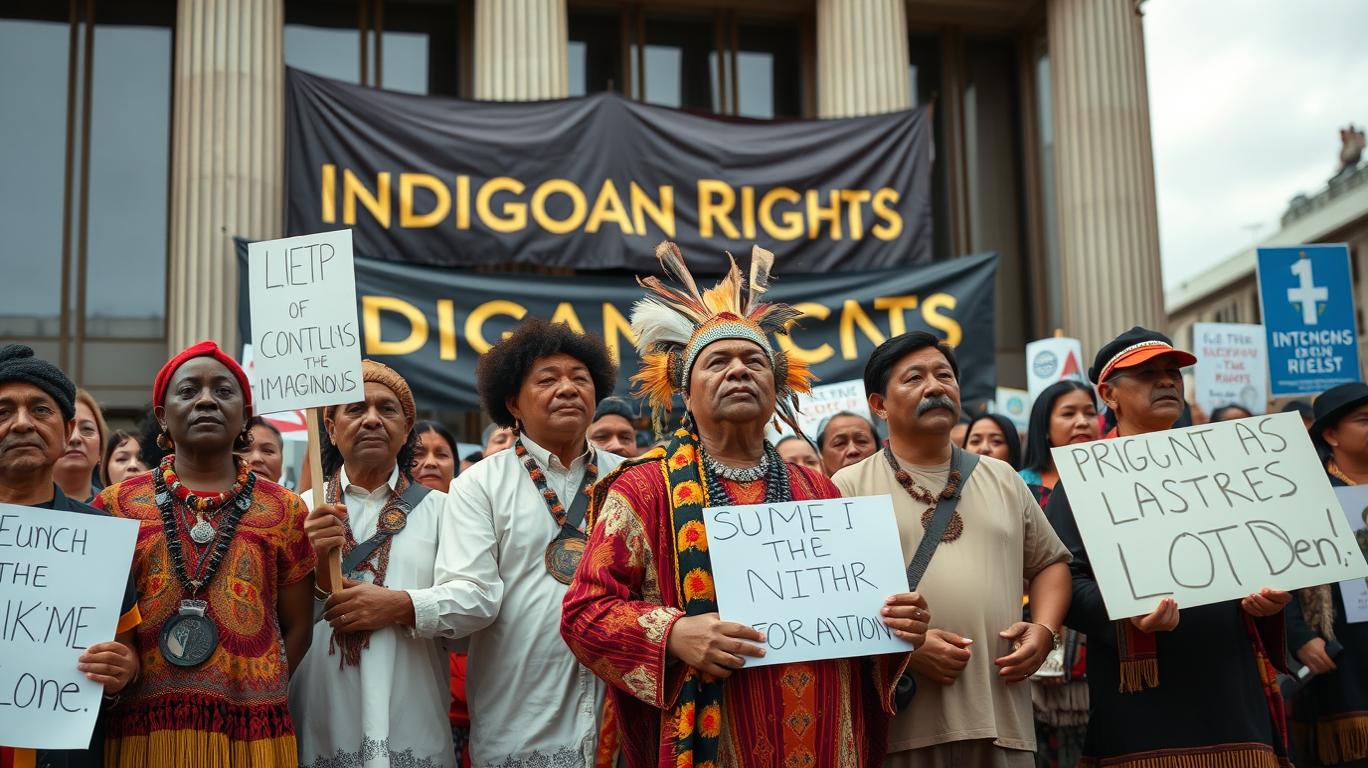
Indigenous leaders from Peru have traveled to the UK to raise awareness about the environmental and human rights impacts of the oil industry in their homeland. This article delves into the issues they're highlighting, the role of international banks, and the investment implications.
The Peruvian Amazon, home to diverse ecosystems and indigenous communities, has long been a battleground for oil extraction. The region's rich natural resources, particularly oil, have drawn multinational companies seeking to exploit them. However, this has come at a significant cost to the environment and the indigenous people who have lived there for centuries.
Recent victories by indigenous communities against oil companies, like Perenco's withdrawal from a lawsuit against the Napo Tigre reserve, have shown that the tide may be turning against extractive activities. These developments have sparked interest in sustainable and ethical investments, with investors favoring companies that respect indigenous rights and prioritize environmental sustainability.
However, the struggle against oil extraction continues. Indigenous communities face ongoing issues, such as inadequate responses to oil spills and the slow pace of compensation for damages. The Peruvian state, along with international banks financing these projects, has been criticized for failing to address these concerns adequately. This inaction has led to protests and blockades, disrupting operations and affecting the long-term stability of oil companies.
The involvement of international banks in financing oil projects in the Amazon raises questions about their reputations and long-term financial stability. If these banks fail to address environmental and social concerns, they risk reputational damage and potential legal liabilities. On the other hand, proactive engagement with indigenous communities and support for responsible oil projects can enhance their reputations and ensure predictable growth.
The Peruvian government's response to environmental and human rights concerns in the Amazonian oil industry significantly impacts foreign investment in the region. A proactive response addressing these concerns could attract investors seeking stable, ethical, and long-term opportunities. Conversely, a slow response to oil spills and inadequate compensation for affected communities erodes investor confidence and creates uncertainty.
Indigenous demands for compensation and remediation can significantly impact oil companies' cost structures and financial performance. Complying with these demands, while challenging, is crucial for maintaining a social license to operate and mitigating risks. Companies that adapt to these changes and deliver consistent performance without surprises are more likely to attract investors valuing stability and predictability.
In conclusion, the investment landscape in the Peruvian Amazon is evolving, influenced by indigenous demands, government policies, and the involvement of international banks. Investors seeking 'boring but lucrative' opportunities should consider companies that prioritize sustainability, engage with indigenous communities, and deliver steady performance. By doing so, they can contribute to a more responsible and sustainable future for the Amazon and its people.
The Peruvian Amazon, home to diverse ecosystems and indigenous communities, has long been a battleground for oil extraction. The region's rich natural resources, particularly oil, have drawn multinational companies seeking to exploit them. However, this has come at a significant cost to the environment and the indigenous people who have lived there for centuries.
Recent victories by indigenous communities against oil companies, like Perenco's withdrawal from a lawsuit against the Napo Tigre reserve, have shown that the tide may be turning against extractive activities. These developments have sparked interest in sustainable and ethical investments, with investors favoring companies that respect indigenous rights and prioritize environmental sustainability.
However, the struggle against oil extraction continues. Indigenous communities face ongoing issues, such as inadequate responses to oil spills and the slow pace of compensation for damages. The Peruvian state, along with international banks financing these projects, has been criticized for failing to address these concerns adequately. This inaction has led to protests and blockades, disrupting operations and affecting the long-term stability of oil companies.
The involvement of international banks in financing oil projects in the Amazon raises questions about their reputations and long-term financial stability. If these banks fail to address environmental and social concerns, they risk reputational damage and potential legal liabilities. On the other hand, proactive engagement with indigenous communities and support for responsible oil projects can enhance their reputations and ensure predictable growth.
The Peruvian government's response to environmental and human rights concerns in the Amazonian oil industry significantly impacts foreign investment in the region. A proactive response addressing these concerns could attract investors seeking stable, ethical, and long-term opportunities. Conversely, a slow response to oil spills and inadequate compensation for affected communities erodes investor confidence and creates uncertainty.
Indigenous demands for compensation and remediation can significantly impact oil companies' cost structures and financial performance. Complying with these demands, while challenging, is crucial for maintaining a social license to operate and mitigating risks. Companies that adapt to these changes and deliver consistent performance without surprises are more likely to attract investors valuing stability and predictability.
In conclusion, the investment landscape in the Peruvian Amazon is evolving, influenced by indigenous demands, government policies, and the involvement of international banks. Investors seeking 'boring but lucrative' opportunities should consider companies that prioritize sustainability, engage with indigenous communities, and deliver steady performance. By doing so, they can contribute to a more responsible and sustainable future for the Amazon and its people.

Divulgación editorial y transparencia de la IA: Ainvest News utiliza tecnología avanzada de Modelos de Lenguaje Largo (LLM) para sintetizar y analizar datos de mercado en tiempo real. Para garantizar los más altos estándares de integridad, cada artículo se somete a un riguroso proceso de verificación con participación humana.
Mientras la IA asiste en el procesamiento de datos y la redacción inicial, un miembro editorial profesional de Ainvest revisa, verifica y aprueba de forma independiente todo el contenido para garantizar su precisión y cumplimiento con los estándares editoriales de Ainvest Fintech Inc. Esta supervisión humana está diseñada para mitigar las alucinaciones de la IA y garantizar el contexto financiero.
Advertencia sobre inversiones: Este contenido se proporciona únicamente con fines informativos y no constituye asesoramiento profesional de inversión, legal o financiero. Los mercados conllevan riesgos inherentes. Se recomienda a los usuarios que realicen una investigación independiente o consulten a un asesor financiero certificado antes de tomar cualquier decisión. Ainvest Fintech Inc. se exime de toda responsabilidad por las acciones tomadas con base en esta información. ¿Encontró un error? Reportar un problema


SOBRE NOSOTROS
Nuestra historiaAutores de noticiasBase de conocimientosPolítica de privacidadTérmino de usoDescargo de responsabilidad de corretaje de tercerosTérminos de uso de AIMEDivulgaciones de riesgos de AInvest AICarrerasCONTÁCTENOS
Email: support@ainvest.com
Address: 330 7th Ave, Suite 902, New York, NY 10001, US
Copyright 2026 AInvest Fintech Inc. All rights reserved.


Comentarios
Aún no hay comentarios