
Indian Bond Yields Dip as Traders Spot Buying Window
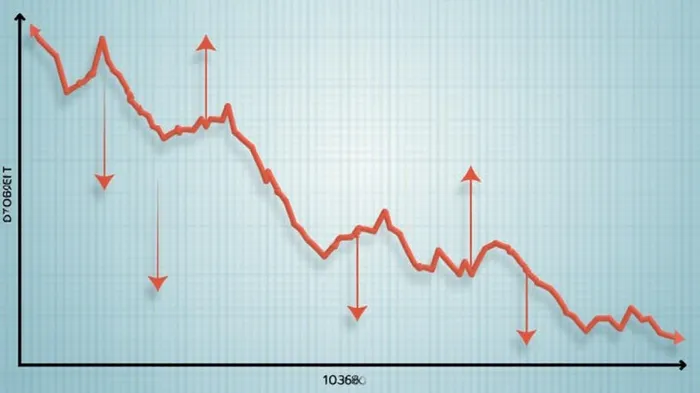
The Indian 10-year government bond yield has entered uncharted territory, falling to a three-year low of 6.33% by late April 2025 amid aggressive liquidity injections by the Reserve Bank of India (RBI). Traders are pouncing on the opportunity, betting that yields could sink further toward 6.0%-6.25% by year-end as the central bank’s accommodative policies gain traction.
The RBI’s Liquidity Surge
At the heart of the yield decline is the RBI’s record ₹1.25 lakh crore ($14.7 billion) bond-buying program in May 2025, part of a broader ₹4 lakh crore ($47 billion) Open Market Operation (OMO) plan for fiscal year 2026. These purchases aim to push liquidity in the banking system to a surplus of 1% of net demand and time liabilities (NDTL)—a structural shift from earlier reactive policies.
The first OMO tranche on May 6 attracted bids worth ₹1.32 lakh crore, over twice the notified amount, underscoring investor demand. Analysts at CitiCTRN-- estimate durable liquidity could hit ₹5 trillion by late 2025, further easing borrowing costs.
Global and Domestic Tailwinds
- Easing Inflation: Core inflation has cooled to 4.5% (April 2025), within the RBI’s target range, reducing pressure for rate hikes.
- Global Bond Market Rally: U.S. 10-year yields fell to 3.6% in May, easing external pressures on India’s currency and bond markets.
- Strong Auction Demand: April’s government bond auctions saw cut-off yields dip to 6.57%, with public sector banks and mutual funds driving participation.
Analysts See Further Declines
- IDFC First Bank’s Gaura Sen Gupta: Projects yields to reach 6.0%-6.25% by year-end if OMO targets are met.
- Bank of Baroda (BoB): Forecasts May yields to trade between 6.30%-6.35%, with risks skewed downward due to surplus liquidity and global disinflation.
Risks on the Horizon
While the outlook is bullish, headwinds linger:
1. Geopolitical Tensions: Escalating conflicts, such as the Pahalgam attack, could spook markets and spur bond sell-offs.
2. RBI’s Dollar Position: The central bank’s $64 billion net-short dollar exposure raises risks of liquidity absorption if it must defend the rupee.
3. Corporate Sector Pressure: Lower-rated corporate bonds may see widening spreads as risk aversion persists.
The Bottom Line
Indian bond yields are in a clear downward trajectory, with the RBI’s OMOs and easing inflation paving the way for further declines. Traders are capitalizing on the “buying window” as yields near 6.0%, but must monitor geopolitical risks and the RBI’s balance sheet challenges.
Conclusion
The Indian bond market is at a pivotal juncture. With the RBI’s aggressive liquidity injections, inflation under control, and supportive global trends, the 10-year yield is primed to test 6.0% by year-end. However, the path is not without obstacles. Investors should consider:
- Entry Points: The current yield of 6.33% offers a compelling entry, but patience may be needed amid geopolitical noise.
- Duration Risk: Longer-dated bonds (e.g., 30-year) face valuation risks if inflation resurges.
- Currency Dynamics: A stable rupee, supported by narrowing inflation gaps with the U.S., could amplify gains for foreign investors.
In a world hungry for yield, India’s bonds are a standout opportunity—if traders can navigate the risks. The window is open, but it won’t stay that way forever.







Comentarios
Aún no hay comentarios