
Indian Airlines Challenge Free Seat Mandate as Affordability and Revenue Concerns Arise
The Federation of Indian Airlines (FIA) has raised objections to a new government directive requiring airlines to allocate at least 60% of seats for free selection without additional charges. The FIA, which represents major carriers including IndiGo, Air India, and SpiceJet, argues that the mandate will disrupt airline revenue models and ultimately raise airfares.
Airlines operate on thin profit margins and rely on ancillary income, such as fees for preferred seating, baggage, and meals, to offset rising operational costs. The FIA warns that losing revenue from seat selection fees could lead to higher base fares, disproportionately impacting price-sensitive travelers and reducing affordability. 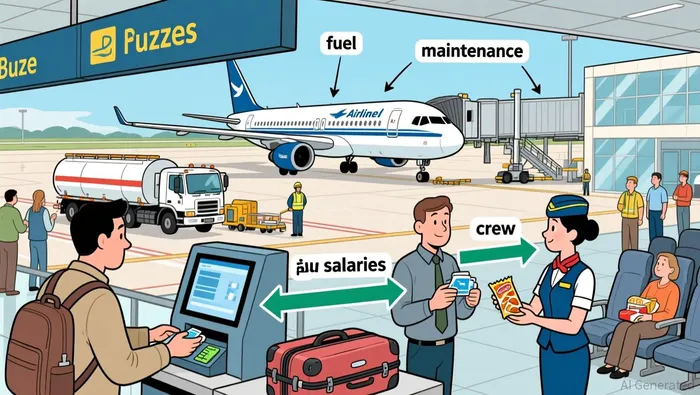
The government's decision was made without prior consultation with airlines, raising concerns about regulatory overreach. The FIA points to a 2017 Delhi High Court ruling that recognized preferential seat selection as a valid unbundled service and cautioned against interference in pricing mechanisms.
Why Did the FIA Oppose the Mandate?
Airlines argue that the directive undermines their ability to manage revenue streams in a high-cost aviation environment. Ancillary fees are essential for covering expenses like fuel, maintenance, and airport charges. With these fees eliminated for 60% of flights, airlines may be forced to increase overall ticket prices to maintain financial sustainability.
The FIA also highlights the potential for regulatory creep, warning that this mandate could set a precedent for further government interference in airline pricing models. The lack of stakeholder consultation before the directive's implementation has been criticized as an overreach into commercial operations.
How Could This Affect Travelers and Markets?
The mandate's impact on affordability remains a major concern. While free seat selection may appear beneficial at first, the FIA warns that it could lead to higher fares for all passengers, regardless of whether they select a seat for free. This could reduce travel accessibility for budget-conscious flyers and potentially slow the growth of India's civil aviation sector.
In a separate development, Chemtrade Logistics Income Fund has declared a cash distribution of $0.06 per unit for March 2026, to be paid on April 30 to unitholders of record as of March 31. The announcement is unrelated to the airline mandate but highlights the varied nature of financial news across sectors.
Meanwhile, the reconstituted milk market is expected to reach USD 654.58 billion by 2036, driven by cold-chain gaps and shifting consumer preferences toward functional and convenient dairy products. In mature markets, growth is driven by premiumization and convenience, while emerging economies benefit from e-commerce and long-shelf-life solutions.
Kraft Heinz, which has struggled with declining sales and market share due to competition from private-label brands, generated $3.7 billion in free cash flow in 2025, offering a 14.4% yield. While the company faces challenges, recent operational improvements in Canada suggest potential for a turnaround.
What Are Analysts Watching Next?
Analysts are closely monitoring the financial implications of the free seat mandate, particularly how airlines balance revenue loss with fare adjustments. The FIA's legal and regulatory arguments may influence future policy decisions and market dynamics. Additionally, the response from passengers and the broader aviation sector will shape the mandate's long-term viability.
Chemtrade's distribution, the reconstituted milk market's growth, and Kraft Heinz's cash flow performance also remain key points of focus for investors. These developments underscore the interconnected nature of global financial markets and the importance of regulatory and operational considerations in various sectors.







Comentarios
Aún no hay comentarios