
India-U.S. Trade Tensions and Vance's Visit: Navigating Economic Crossroads Under the Tariff Shadow
The visit of U.S. Vice President JDJD-- Vance to New Delhi in April 2025 arrives amid a delicate balance of economic stakes and geopolitical strategy. As the U.S. maintains a 10% tariff on Indian goods—a temporary reprieve from an initially threatened 26% levy—the negotiations between Prime Minister Narendra Modi and Vance carry profound implications for trade, investment, and regional power dynamics. This article examines the risks and opportunities for investors as India and the U.S. seek to redefine their economic relationship.
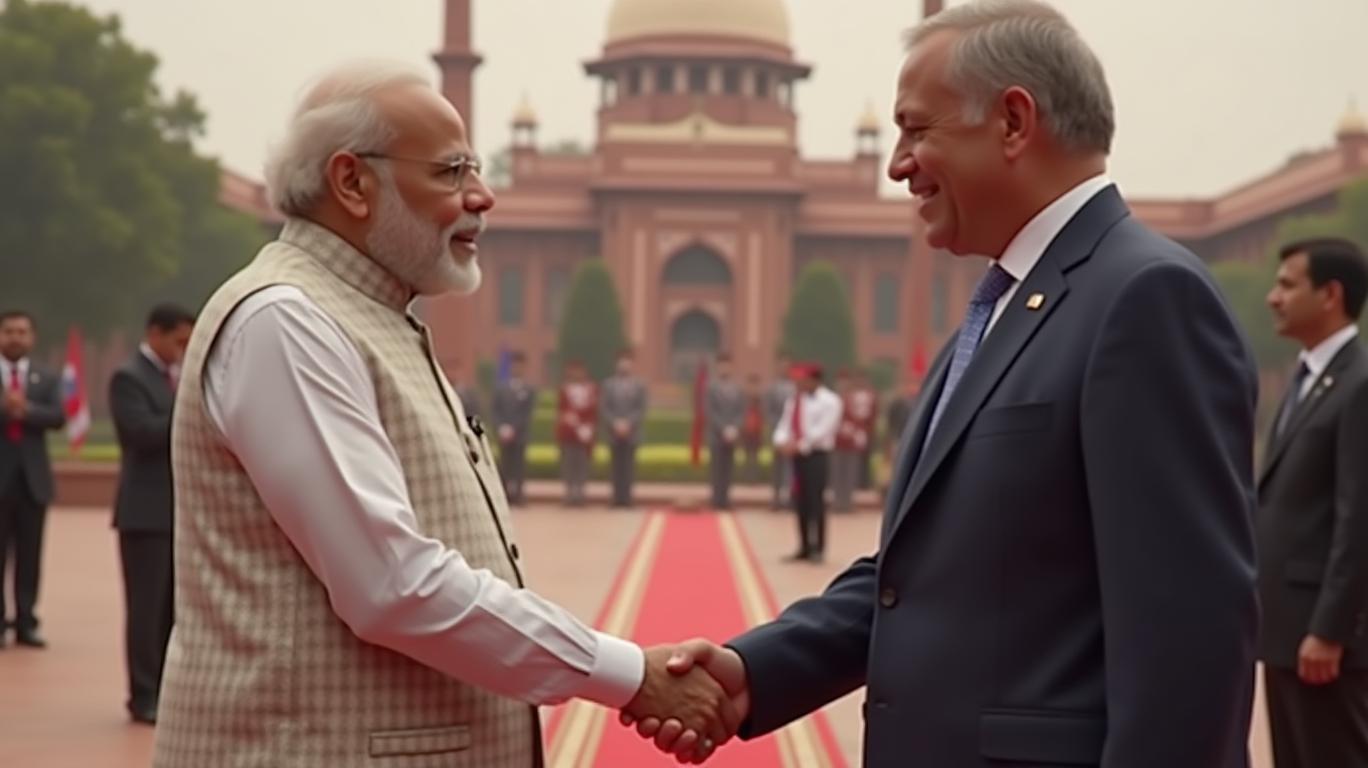
The Tariff Landscape: A Temporary Truce, Not a Peace Treaty
The U.S. tariffs on Indian goods currently hover at 10%, delayed from escalating to 26% until July 9, 2025. This pause provides India with critical leverage: its economy, with exports accounting for just 20% of GDP (versus 65-87% for competitors like Vietnam), offers negotiators room to resist sweeping concessions. However, the threat of higher tariffs looms large. A reinstatement of the 26% rate could shave 0.5% off India’s GDP growth, according to HSBC analysts, due to disrupted supply chains and reduced competitiveness in sectors like autos and pharmaceuticals.
The goods vs. services divide is pivotal. While U.S. tariffs target physical goods (56.1% of India’s exports), IT giants like TCS and Infosys remain largely unaffected—though a slowdown in U.S. corporate spending could indirectly hurt them. Meanwhile, India’s reliance on the U.S. for only 18% of merchandise exports limits immediate damage.
The NIFTY 50’s 5.3% year-to-date decline reflects investor anxiety over trade tensions, though services-oriented stocks like IT firms have held up better than export-reliant sectors.
Vance’s Visit: A Geoeconomic Play for $500 Billion
The primary goal of Vance’s trip is to double U.S.-India trade to $500 billion by 2030, a figure requiring strategic sectoral alignment. Key areas of negotiation include:
- Agriculture and dairy: U.S. demands for greater market access clash with India’s sensitivity to protecting its farming-dependent economy.
- Defense and technology: India’s plans to purchase advanced U.S. military equipment, such as F-35 fighter jets, align with geopolitical goals to counter China’s influence.
- Pharmaceuticals and autos: India may offer tariff reductions in these sectors, leveraging its cost advantages, while resisting pressure in agriculture.
The visit also underscores broader geopolitical calculus. As part of the Quad alliance, India’s role as a “non-China” manufacturing hub is central to U.S. Indo-Pacific strategy. Vance’s discussions with Modi will likely address energy diversification, including U.S. support for India’s nuclear investments, and tech partnerships like SpaceX’s Starlink expansion.
Competitive Pressures: Vietnam’s Gambit vs. India’s Leverage
India faces stiff competition from nations like Vietnam, which has aggressively offered zero tariffs to secure a U.S. trade deal. Vietnam’s strategy—coupled with its higher export-to-GDP ratio—threatens to divert investment in sectors like electronics and auto components. Companies like Apple and Japanese firms are already exploring Vietnam, raising concerns about India’s supply chain relevance.
Yet India retains critical advantages:
1. Scale and diversity: Its $3.5 trillion economy and robust domestic demand provide a stable base for sectors less exposed to tariffs.
2. Geopolitical value: As a counter to China, India holds strategic weight beyond pure trade metrics.
3. Service-sector resilience: IT and pharmaceuticals—unscathed by tariffs—account for 30% of export earnings, offering a cushion against goods-sector volatility.
Investment Takeaways: Navigating the Crossroads
For investors, the Vance visit is a pivot point. Key sectors to monitor include:
- Pharmaceuticals: Indian firms like Dr. Reddy’s and Cipla may gain if tariffs ease, given their global generic drug dominance.
- Automobiles: Companies like Tata Motors and Mahindra face U.S. tariff risks but could benefit from a trade deal lowering their costs.
- Defense contractors: Reliance Defense and Bharat Electronics may see upside from U.S. defense purchases.
India’s U.S. export share has remained stable at ~18%, but a tariff hike could accelerate diversification toward markets like the EU or Southeast Asia.
Conclusion: A Delicate Balancing Act
The Vance visit’s success hinges on whether India can secure sectoral tariff exemptions without compromising its agricultural and dairy sectors. With the July 9 deadline looming, the stakes are high: a failure to reach an agreement risks a GDP drag of 0.5%, while a deal could unlock $500 billion in trade synergies.
Investors should prioritize diversified exposure to India’s service sectors (IT, pharma) and monitor geopolitical developments closely. While Vietnam’s aggressive stance poses a long-term challenge, India’s unique blend of scale, geopolitical value, and sectoral strengths positions it as a resilient partner—if negotiations navigate the tariff shadow successfully.
As Modi and Vance meet, the message is clear: trade ties are no longer just about numbers—they are the bedrock of a shifting global order.







Comentarios
Aún no hay comentarios