
India Space Agency Rocket Fails to Launch Second Time in A Year
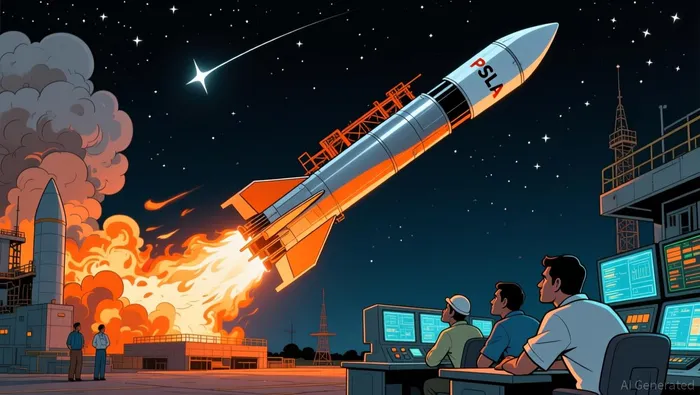
India’s space program began 2026 with another setback as its Polar Satellite Launch Vehicle (PSLV) failed to achieve the desired orbit for the second time in a year. The rocket, carrying 16 satellites, faltered during the third stage of its mission on January 12. ISRO, the country’s space agency, confirmed the anomaly and is now analyzing the data to understand the cause.
The PSLV is one of India’s most reliable launch vehicles, with a long track record of successful missions including the Mars Orbiter and Chandrayaan-1 lunar probe. However, this repeated failure highlights growing concerns about the rocket’s performance and the country’s ambitions in the global space industry.
ISRO stated that the rocket performed as expected during the early stages of the launch but deviated in the final phase. The agency is working to determine the precise cause of the anomaly.
Why Did This Happen?
The PSLV had previously failed during the third stage in May 2025, and now a similar issue has occurred. ISRO’s chairman, V. Narayanan, noted that the deviation in flight path is the key point of investigation. The rocket is known for its reliability, and the repetition of a stage-specific issue is raising questions about the underlying causes, whether technical, manufacturing, or procedural.
India’s space program aims to build a space station and land astronauts on the moon by 2040. A repeat failure of a key launch vehicle threatens to delay these goals and potentially erode confidence in ISRO’s commercial capabilities.
How Did Markets React?
Despite the failure, the space industry is still on an upward trajectory in 2026. Rocket Companies Inc., a U.S. firm in the financial services industry, hit a 52-week high in stock price, indicating investor confidence in space and related sectors. However, the PSLV failure could affect the commercial space market in India, particularly as the country tries to expand its footprint in the global launch services industry.
The reusable launch vehicle market is projected to grow from $2.75 billion in 2026 to $3.95 billion by 2030, with India being one of the key players. This failure might temporarily dampen investor sentiment in Indian space companies but is unlikely to derail the broader industry trend.
What Are Analysts Watching Next?
Analysts are closely watching ISRO’s response to the failure and the steps it takes to resolve the anomaly. The agency has a history of quickly identifying and addressing issues, but the repetition of the third-stage problem may require more comprehensive solutions.
The PSLV has been used in several high-profile missions, including the Mars Orbiter and the Aditya-L1 solar mission. If ISRO fails to restore confidence in the rocket, it could impact future launches, including those with international partners.
Investors and industry observers are also watching whether the failure will lead to increased reliance on other launch vehicles or a shift in India’s commercial space strategy. The PSLV is a key component of ISRO’s global launch services, and a prolonged delay in resolving the issue could affect contracts and customer trust.







Comentarios
Aún no hay comentarios