
India's Andhra Pradesh: Adani's Power Deal in Jeopardy
Generado por agente de IAWesley Park
lunes, 25 de noviembre de 2024, 2:14 pm ET1 min de lectura
FOSL--
Andhra Pradesh, a state in southeastern India, finds itself at a crossroads as it reviews its power supply contract with Adani Group in the wake of U.S. bribery charges. The contract, involving the supply of seven gigawatts of solar power, is now under scrutiny, raising questions about potential financial savings and alternative power options. Let's delve into this intriguing scenario and explore its implications.
Firstly, if the Adani power supply contract is terminated, Andhra Pradesh stands to make substantial financial savings. Assuming an average power price of ₹2.50 per unit, the annual cost for the state would be around ₹13,000 crore (≈ $1.7 billion). Over the 25-year duration of the contract, the total cost amounts to approximately ₹3.25 lakh crore (≈ $42.5 billion). Cancelling the contract could lead to significant savings, potentially resulting in cheaper electricity for consumers and reduced fiscal burden on the state.
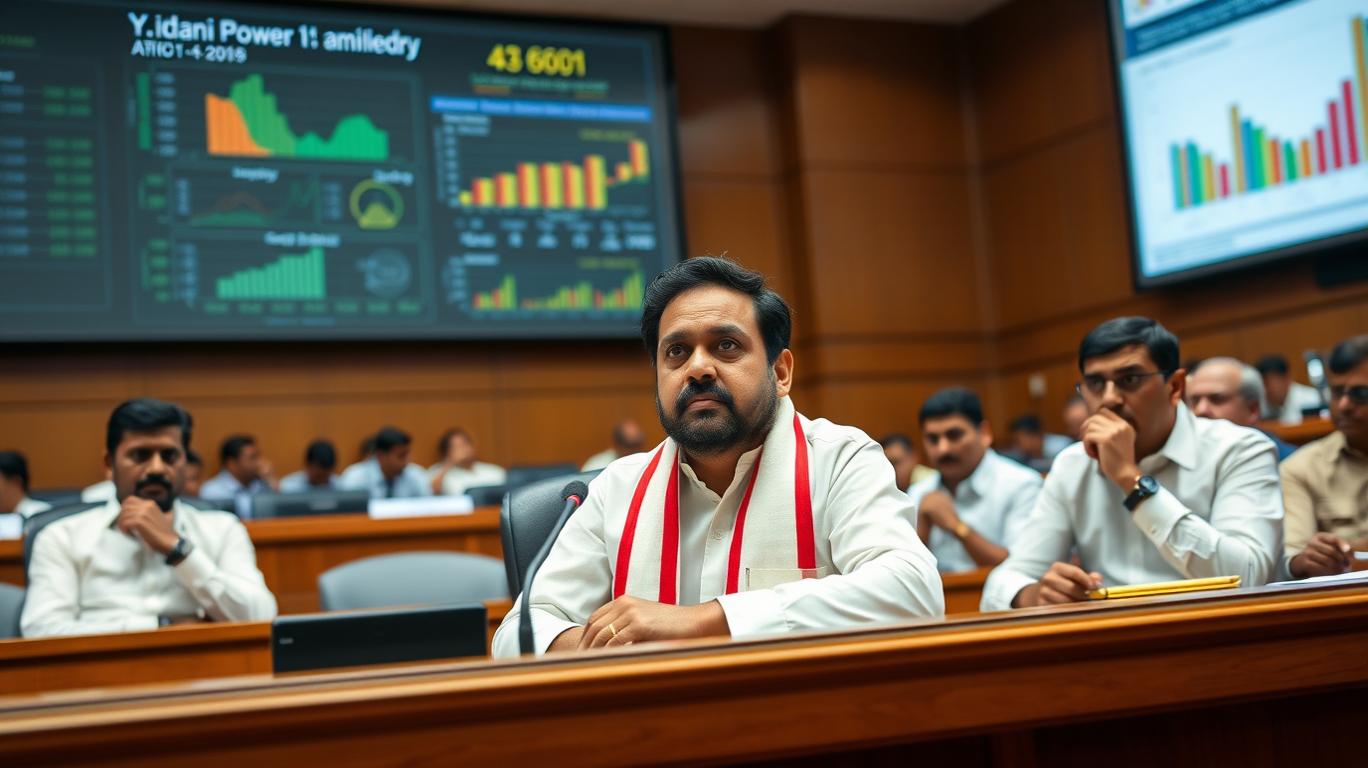
However, the cancellation of the Adani contract could have significant implications for Andhra Pradesh's power supply and grid stability. The 7 gigawatts of solar power to be supplied by Adani's subsidiary, Adani Green, would have been the largest amount of any Indian state or region. This would have substantially increased Andhra Pradesh's renewable energy capacity, contributing to its clean energy targets. The cancellation could lead to a shortfall in power supply, potentially straining the grid and increasing reliance on fossil fuels. Moreover, it may disrupt the state's energy transition plans, affecting its economic growth and environmental sustainability.
On the other hand, Andhra Pradesh can explore alternative power supply options. Wind and solar power, with significant potential in the state, are cheaper and cleaner. Solar power costs have fallen dramatically, with solar PV prices plummeting by 89% between 2010 and 2020, making it a viable option. Wind power, too, is cost-competitive, with levelized costs of energy (LCOE) for onshore wind at $29/MWh in 2020. Expanding renewable energy capacity would enhance energy security, reduce reliance on fossil fuels, and align with India's sustainable development goals. Additionally, investing in energy storage solutions like batteries can help manage intermittency, further bolstering the case for renewable energy.
In conclusion, Andhra Pradesh's review of its power supply contract with Adani Group presents both opportunities and challenges. While cancelling the contract could lead to substantial financial savings, it may also impact power supply and grid stability. The state can mitigate these risks by exploring alternative power supply options, such as wind and solar power. As the situation unfolds, investors and stakeholders will be keenly watching the developments, as they could have broader implications for India's renewable energy sector and Adani Group's future prospects.
Andhra Pradesh: Adani's Power Deal in the Balance</title
Firstly, if the Adani power supply contract is terminated, Andhra Pradesh stands to make substantial financial savings. Assuming an average power price of ₹2.50 per unit, the annual cost for the state would be around ₹13,000 crore (≈ $1.7 billion). Over the 25-year duration of the contract, the total cost amounts to approximately ₹3.25 lakh crore (≈ $42.5 billion). Cancelling the contract could lead to significant savings, potentially resulting in cheaper electricity for consumers and reduced fiscal burden on the state.
However, the cancellation of the Adani contract could have significant implications for Andhra Pradesh's power supply and grid stability. The 7 gigawatts of solar power to be supplied by Adani's subsidiary, Adani Green, would have been the largest amount of any Indian state or region. This would have substantially increased Andhra Pradesh's renewable energy capacity, contributing to its clean energy targets. The cancellation could lead to a shortfall in power supply, potentially straining the grid and increasing reliance on fossil fuels. Moreover, it may disrupt the state's energy transition plans, affecting its economic growth and environmental sustainability.
On the other hand, Andhra Pradesh can explore alternative power supply options. Wind and solar power, with significant potential in the state, are cheaper and cleaner. Solar power costs have fallen dramatically, with solar PV prices plummeting by 89% between 2010 and 2020, making it a viable option. Wind power, too, is cost-competitive, with levelized costs of energy (LCOE) for onshore wind at $29/MWh in 2020. Expanding renewable energy capacity would enhance energy security, reduce reliance on fossil fuels, and align with India's sustainable development goals. Additionally, investing in energy storage solutions like batteries can help manage intermittency, further bolstering the case for renewable energy.
In conclusion, Andhra Pradesh's review of its power supply contract with Adani Group presents both opportunities and challenges. While cancelling the contract could lead to substantial financial savings, it may also impact power supply and grid stability. The state can mitigate these risks by exploring alternative power supply options, such as wind and solar power. As the situation unfolds, investors and stakeholders will be keenly watching the developments, as they could have broader implications for India's renewable energy sector and Adani Group's future prospects.

Divulgación editorial y transparencia de la IA: Ainvest News utiliza tecnología avanzada de Modelos de Lenguaje Largo (LLM) para sintetizar y analizar datos de mercado en tiempo real. Para garantizar los más altos estándares de integridad, cada artículo se somete a un riguroso proceso de verificación con participación humana.
Mientras la IA asiste en el procesamiento de datos y la redacción inicial, un miembro editorial profesional de Ainvest revisa, verifica y aprueba de forma independiente todo el contenido para garantizar su precisión y cumplimiento con los estándares editoriales de Ainvest Fintech Inc. Esta supervisión humana está diseñada para mitigar las alucinaciones de la IA y garantizar el contexto financiero.
Advertencia sobre inversiones: Este contenido se proporciona únicamente con fines informativos y no constituye asesoramiento profesional de inversión, legal o financiero. Los mercados conllevan riesgos inherentes. Se recomienda a los usuarios que realicen una investigación independiente o consulten a un asesor financiero certificado antes de tomar cualquier decisión. Ainvest Fintech Inc. se exime de toda responsabilidad por las acciones tomadas con base en esta información. ¿Encontró un error? Reportar un problema


SOBRE NOSOTROS
Nuestra historiaAutores de noticiasBase de conocimientosPolítica de privacidadTérmino de usoDescargo de responsabilidad de corretaje de tercerosTérminos de uso de AIMEDivulgaciones de riesgos de AInvest AICarrerasCONTÁCTENOS
Email: support@ainvest.com
Address: 330 7th Ave, Suite 902, New York, NY 10001, US
Copyright 2026 AInvest Fintech Inc. All rights reserved.


Comentarios
Aún no hay comentarios