
India's REIT Sector Expansion: Strategic Implications of the First Rupee-Denominated Bond Offering
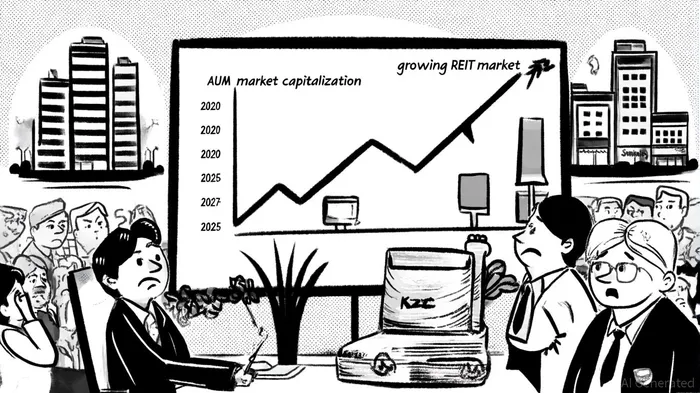
India's Real Estate Investment Trust (REIT) sector is undergoing a transformative phase, driven by innovative financing mechanisms and regulatory reforms. A landmark development in this evolution is the first rupee-denominated bond offering by a REIT in India, spearheaded by Embassy Office Parks REIT. This 20 billion rupee ($235 million) bond, rated 'AAA' by Crisil, marks a pivotal shift in how REITs access capital and signals broader strategic implications for the sector's growth[2].
A New Funding Paradigm
The bond offering, with a five-year tenure, is designed to meet long-term capital requirements while minimizing refinancing risks[2]. By tapping into domestic debt markets, Embassy REIT has demonstrated the viability of rupee-denominated instruments for REITs, which traditionally relied on equity listings or foreign currency debt. This approach aligns with India's broader policy goals of internationalizing the rupee. As stated by the Reserve Bank of India (RBI), REITs are now permitted to issue plain vanilla bonds in FATF-compliant jurisdictions for a minimum maturity of five years, provided the proceeds are not used for real estate activities outside integrated townships or affordable housing projects[3]. This regulatory clarity has opened doors for REITs to diversify funding sources and attract international investors seeking rupee exposure without currency risk[3].
Market Impact and Investor Appeal
The offering has already drawn strong interest from domestic institutional investors. Mutual funds and insurance companies, which prioritize stable returns and low volatility, are expected to allocate significant capital to Embassy REIT's bond, given its robust occupancy rates and quality tenant base[2]. According to a report by IBEF, India's REIT sector now manages a combined AUM of $15.6 billion and a market capitalization of $9.6 billion, with four listed REITs collectively owning 394 million square feet of premium office space[1]. The introduction of small and medium REITs (SM REITs), with lower minimum asset thresholds, further democratizes access for retail investors, who can now participate with investments starting at ₹10,000–15,000[1].
Strategic Implications for the Sector
The success of rupee-denominated bonds underscores the sector's potential to become a cornerstone of India's capital markets. By reducing reliance on foreign currency debt, REITs can mitigate exchange rate volatility, a critical advantage in a globalized economy. Additionally, the RBI's framework encourages REITs to issue bonds in international markets, fostering cross-border capital flows while keeping the proceeds in rupees for domestic reinvestment[3]. This dual benefit—access to global liquidity and rupee stability—positions India's REITs as attractive alternatives to traditional real estate investments.
Looking Ahead
The strategic significance of these developments extends beyond financing. As India's urbanization and digital economy drive demand for Grade-A commercial spaces, REITs are well-positioned to capitalize on this growth. Brookfield India REIT and Embassy REIT, for instance, have reported leasing successes with occupancy rates exceeding 95% and distribution growth of up to 17%[1]. With SEBI's efforts to expand the investor base and the upcoming Knowledge Realty Trust (KRT) IPO, which aims to raise ₹6,200 crore, the sector's maturity is evident[1].
However, challenges remain. Regulatory harmonization between the RBI, SEBI, and the Ministry of Finance will be critical to sustain momentum. Moreover, diversification into industrial and hospitality REITs, supported by initiatives like the Smart Cities Mission, could unlock new value streams[2].
Conclusion
India's first rupee-denominated REIT bond offering is more than a financial milestone—it is a strategic catalyst for the sector's evolution. By bridging the gap between domestic capital needs and international investor appetite, REITs are redefining real estate investment in India. As the sector matures, its ability to generate stable returns, democratize access, and align with national economic goals will likely cement its role as a key player in India's capital markets.







Comentarios
Aún no hay comentarios