
India's EV Tariff Cut: A Game Changer for Trump's Trade Deal
Generado por agente de IAWesley Park
miércoles, 2 de abril de 2025, 7:57 am ET2 min de lectura
TSLA--
Ladies and Gentlemen, buckle up! We're diving headfirst into the electrifying world of electric vehicles (EVs) and the seismic shift happening in India's trade policies. The stakes are high, the drama is real, and the implications are monumental. So, let's get started!
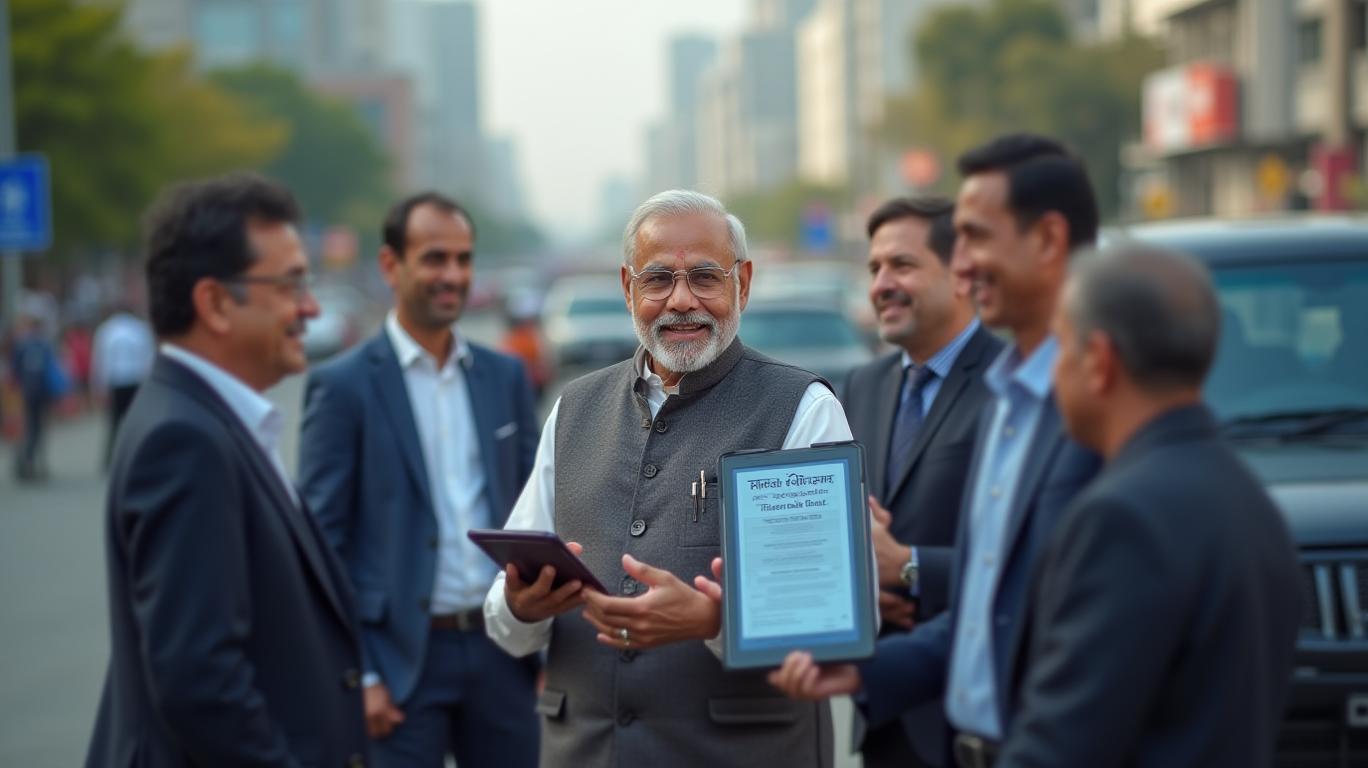
INDIA'S EV TARIFF CUT: A GAME CHANGER FOR TRUMP'S TRADE DEAL
India is making a bold move that could reshape the global EV landscape. Sources close to the matter reveal that India is backing EV tariff cuts as part of a proposed trade agreement with the United States. This decision, defying the domestic auto lobby, could be a game-changer for both countries and the global EV market.
WHY IS THIS A BIG DEAL?
1. TRADE AGREEMENT WITH THE US: The United States has been pushing for India to abolish tariffs on automobile imports. India's decision to reduce tariffs could pave the way for a historic trade agreement, aiming for $500 billion in bilateral trade by 2030. This is a massive opportunity for both countries to boost their economies and strengthen their trade ties.
2. EV INDUSTRY BOOM: India's EV market is on the cusp of a boomBOOM--. The government has introduced initiatives like the Clean Tech manufacturing support programme to promote domestic production of EV components. This, coupled with the reduction in tariffs, could make India a global hub for EV manufacturing.
3. TESLA'S ENTRY INTO INDIA: TeslaTSLA--, the EV giant, has been eyeing the Indian market for years. However, India's steep tariffs have been a major roadblock. With the reduction in tariffs, Tesla could finally make its entry into India, bringing with it cutting-edge technology and innovation.
4. DOMESTIC AUTOMAKERS' CONCERNS: While this move is a boon for the EV industry, it's not all sunshine and rainbows for domestic automakers like Tata Motors and Mahindra & Mahindra. They have expressed concerns that reducing import tariffs could deter investment in local manufacturing and jeopardize the emerging EV industry. But, as they say, you can't make an omelette without breaking a few eggs!
WHAT DOES THIS MEAN FOR THE GLOBAL EV MARKET?
The reduction in EV tariffs in India could have far-reaching implications for the global EV market. It could lead to an influx of cheaper imported EVs, making them more accessible to consumers. This could, in turn, accelerate the adoption of EVs and help countries meet their climate goals.
Moreover, it could also lead to increased competition among EV manufacturers, driving innovation and quality improvement. This is great news for consumers, who will have more options and better products to choose from.
BUT, THERE'S A CATCH...
While the reduction in tariffs is a step in the right direction, it's not without its challenges. Domestic automakers may face increased competition from imported EVs, potentially leading to a loss of market share. They may also struggle to maintain their local supply chains and manufacturing ecosystems.
Moreover, the reduction in tariffs could also lead to a backlash from the domestic auto lobby, who may see this as a betrayal of their interests. This could lead to political tensions and protests, further complicating the situation.
SO, WHAT'S THE VERDICT?
The reduction in EV tariffs in India is a bold move that could reshape the global EV landscape. It's a win for the EV industry, a win for consumers, and a win for the environment. But, it's not without its challenges. Domestic automakers may face increased competition, and political tensions could arise.
But, as they say, every cloud has a silver lining. And, in this case, the silver lining is the potential for a historic trade agreement between India and the United States, a boom in the EV industry, and a greener, more sustainable future.
So, buckle up, folks! The EV revolution is here, and it's going to be one hell of a ride!
Ladies and Gentlemen, buckle up! We're diving headfirst into the electrifying world of electric vehicles (EVs) and the seismic shift happening in India's trade policies. The stakes are high, the drama is real, and the implications are monumental. So, let's get started!
INDIA'S EV TARIFF CUT: A GAME CHANGER FOR TRUMP'S TRADE DEAL
India is making a bold move that could reshape the global EV landscape. Sources close to the matter reveal that India is backing EV tariff cuts as part of a proposed trade agreement with the United States. This decision, defying the domestic auto lobby, could be a game-changer for both countries and the global EV market.
WHY IS THIS A BIG DEAL?
1. TRADE AGREEMENT WITH THE US: The United States has been pushing for India to abolish tariffs on automobile imports. India's decision to reduce tariffs could pave the way for a historic trade agreement, aiming for $500 billion in bilateral trade by 2030. This is a massive opportunity for both countries to boost their economies and strengthen their trade ties.
2. EV INDUSTRY BOOM: India's EV market is on the cusp of a boomBOOM--. The government has introduced initiatives like the Clean Tech manufacturing support programme to promote domestic production of EV components. This, coupled with the reduction in tariffs, could make India a global hub for EV manufacturing.
3. TESLA'S ENTRY INTO INDIA: TeslaTSLA--, the EV giant, has been eyeing the Indian market for years. However, India's steep tariffs have been a major roadblock. With the reduction in tariffs, Tesla could finally make its entry into India, bringing with it cutting-edge technology and innovation.
4. DOMESTIC AUTOMAKERS' CONCERNS: While this move is a boon for the EV industry, it's not all sunshine and rainbows for domestic automakers like Tata Motors and Mahindra & Mahindra. They have expressed concerns that reducing import tariffs could deter investment in local manufacturing and jeopardize the emerging EV industry. But, as they say, you can't make an omelette without breaking a few eggs!
WHAT DOES THIS MEAN FOR THE GLOBAL EV MARKET?
The reduction in EV tariffs in India could have far-reaching implications for the global EV market. It could lead to an influx of cheaper imported EVs, making them more accessible to consumers. This could, in turn, accelerate the adoption of EVs and help countries meet their climate goals.
Moreover, it could also lead to increased competition among EV manufacturers, driving innovation and quality improvement. This is great news for consumers, who will have more options and better products to choose from.
BUT, THERE'S A CATCH...
While the reduction in tariffs is a step in the right direction, it's not without its challenges. Domestic automakers may face increased competition from imported EVs, potentially leading to a loss of market share. They may also struggle to maintain their local supply chains and manufacturing ecosystems.
Moreover, the reduction in tariffs could also lead to a backlash from the domestic auto lobby, who may see this as a betrayal of their interests. This could lead to political tensions and protests, further complicating the situation.
SO, WHAT'S THE VERDICT?
The reduction in EV tariffs in India is a bold move that could reshape the global EV landscape. It's a win for the EV industry, a win for consumers, and a win for the environment. But, it's not without its challenges. Domestic automakers may face increased competition, and political tensions could arise.
But, as they say, every cloud has a silver lining. And, in this case, the silver lining is the potential for a historic trade agreement between India and the United States, a boom in the EV industry, and a greener, more sustainable future.
So, buckle up, folks! The EV revolution is here, and it's going to be one hell of a ride!

Divulgación editorial y transparencia de la IA: Ainvest News utiliza tecnología avanzada de Modelos de Lenguaje Largo (LLM) para sintetizar y analizar datos de mercado en tiempo real. Para garantizar los más altos estándares de integridad, cada artículo se somete a un riguroso proceso de verificación con participación humana.
Mientras la IA asiste en el procesamiento de datos y la redacción inicial, un miembro editorial profesional de Ainvest revisa, verifica y aprueba de forma independiente todo el contenido para garantizar su precisión y cumplimiento con los estándares editoriales de Ainvest Fintech Inc. Esta supervisión humana está diseñada para mitigar las alucinaciones de la IA y garantizar el contexto financiero.
Advertencia sobre inversiones: Este contenido se proporciona únicamente con fines informativos y no constituye asesoramiento profesional de inversión, legal o financiero. Los mercados conllevan riesgos inherentes. Se recomienda a los usuarios que realicen una investigación independiente o consulten a un asesor financiero certificado antes de tomar cualquier decisión. Ainvest Fintech Inc. se exime de toda responsabilidad por las acciones tomadas con base en esta información. ¿Encontró un error? Reportar un problema


SOBRE NOSOTROS
Nuestra historiaAutores de noticiasBase de conocimientosPolítica de privacidadTérmino de usoDescargo de responsabilidad de corretaje de tercerosTérminos de uso de AIMEDivulgaciones de riesgos de AInvest AICarrerasCONTÁCTENOS
Email: support@ainvest.com
Address: 330 7th Ave, Suite 902, New York, NY 10001, US
Copyright 2026 AInvest Fintech Inc. All rights reserved.


Comentarios
Aún no hay comentarios