
India’s Defense Ambitions: How Low-Cost Loans Could Disrupt Global Arms Markets
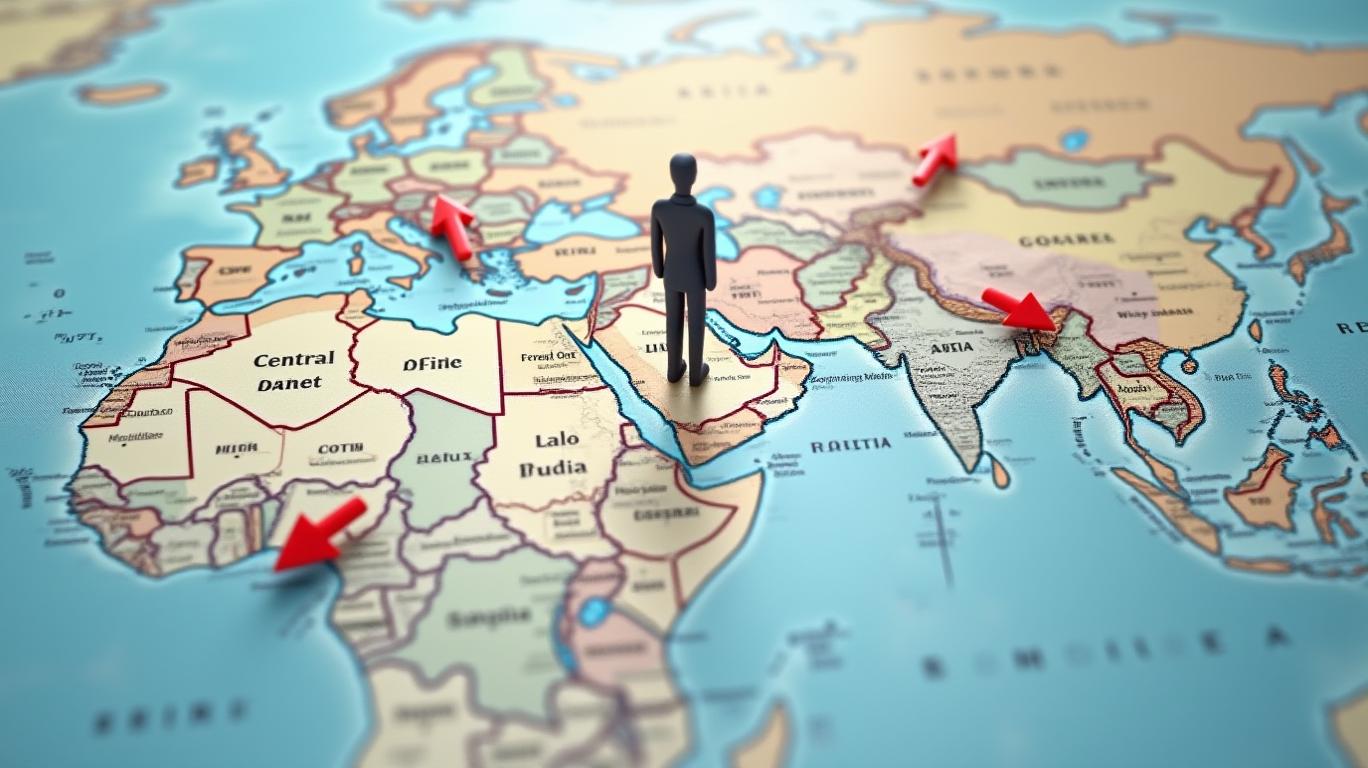
The Indian government’s strategic pivot toward becoming a major arms exporter is gaining momentum, fueled by aggressive defense spending, partnerships with traditional military powers like Russia, and the introduction of innovative financial tools. At the heart of this strategy is a program offering cheap loans for arms purchases, designed to undercut competitors and attract buyers from Russia’s traditional client base in Central Asia, the Middle East, and Africa. This shift could reshape global defense economics, but it also carries risks tied to execution and geopolitical volatility.
A Strategic Shift: From Buyer to Seller
India has long been one of the world’s largest importers of military hardware, but its defense budget has grown at a blistering pace—rising by nearly 10% annually over the past decade. In fiscal 2025–26, defense spending hit ₹6.81 trillion ($82 billion), with 27% allocated to capital acquisitions for modernization. The focus now is on transforming this spending into an export engine.

The Reuters report highlighting “cheap loans for arms” underscores a key differentiator: India is leveraging its robust financial system to offer subsidized credit terms to buyers. For instance, a $6 billion tranche of recently approved defense purchases could be paired with loans at below-market interest rates, making Indian systems more affordable than alternatives. This approach mirrors how China used infrastructure loans to expand its Belt and Road influence, but with a military focus.
The Russia Connection: Co-Production and Market Expansion
India’s partnership with Russia is central to this strategy. The 22nd India-Russia Summit (July 2024) emphasized joint military production, including fighter jets, submarines, and missiles. By establishing co-production hubs in India, Moscow can bypass Western sanctions and access Indian financing. For example:
- A Working Group on Technological Cooperation will fast-track projects like the BrahMos missile system and the S-400 air defense system.
- A $100 billion bilateral trade target by 2030 includes defense exports to third countries, with India positioning itself as a low-cost alternative to Russia in markets like Vietnam, Algeria, and Iran.
The two nations are also exploring bilateral currency settlements (rupees and rubles) to avoid USD dependency, simplifying arms deals and reducing transaction costs.
Financial Engineering: Loans as a Competitive Tool
India’s cheap loans program is underpinned by its $14.82 trillion fiscal borrowing plan for 2025–26, with 54% allocated to market borrowing. A portion of this could fund defense exports via:
1. Sovereign Green Bonds: Part of the ₹10,000 crore earmarked for green initiatives could subsidize eco-friendly military tech, appealing to ESG-conscious buyers.
2. Export Credit Guarantees: The Indian government may insure loans against default, reducing risk for lenders like EXIM Bank.
3. Long-Term Tenors: Offering repayment periods of 10–15 years with grace periods could outcompete Western financing tied to strict compliance regimes.
Challenges Ahead
While the strategy is ambitious, risks loom large:
- Execution Gaps: India’s domestic defense production is still nascent. Only 27.66% of its defense budget funds capital projects, and R&D spending lags at 1% of total defense outlays (versus 13% in the U.S.).
- Geopolitical Pushback: Western allies may retaliate by withholding technology transfers or imposing sanctions on buyers.
- Debt Sustainability: Subsidized loans could strain fiscal balances, especially if defaults rise in unstable regions.
Implications for Investors
- Defense Contractors: Companies like Hindustan Aeronautics Limited (HAL) and Bharat Electronics Limited (BEL) stand to benefit from increased production orders.
- Financial Institutions: Banks offering export credit guarantees (e.g., State Bank of India) may see growth in specialized lending.
- Geopolitical Plays: Funds focused on the Indo-Pacific or emerging markets could profit from infrastructure and defense deals in target regions.
Conclusion: A High-Risk, High-Reward Gamble
India’s pivot to arms exports is a bold move to leverage its economic heft and strategic alliances. With $6 billion in approved purchases and a 75% domestic procurement target, it aims to dominate markets traditionally dominated by Russia. The cheap loans program, combined with co-production deals and currency flexibility, could carve out a niche in regions wary of Western sanctions.
However, success hinges on closing the R&D gap, avoiding fiscal overreach, and navigating geopolitical minefields. For investors, the opportunity lies in companies positioned to capitalize on India’s manufacturing ambitions. Yet, as history shows, turning military might into market share requires more than just cheap money—it demands execution at scale.
Data Sources: Indian Ministry of Defence, Reuters, India-Russia Joint Summit Statements (2024), IMF Defense Expenditure Database.







Comentarios
Aún no hay comentarios