
India's Aviation Safety Reforms: Navigating Risk, Regulatory Shifts, and Investment Implications
The Indian aerospace sector is undergoing a seismic shift as regulatory scrutiny intensifies in the wake of the June 2025 Air India crash-the world's worst aviation disaster in a decade. This tragedy, coupled with a string of technical malfunctions and safety violations, has exposed systemic weaknesses in India's aviation safety framework. For investors, the implications are twofold: a reevaluation of airline valuations amid heightened operational risks and a transformation in supplier contracts as regulatory reforms reshape compliance and risk allocation.
Risk Management in Crisis: The Cost of Systemic Lapses
The Directorate General of Civil Aviation (DGCA) has flagged critical safety violations at India's top airports, including worn aircraft tyres, faded runway markings, and outdated simulators, according to DGCA surprise checks. A parliamentary committee further highlighted a 500-person staffing gap in the DGCA, describing it as an "existential threat" to flight safety, according to a Defence Capital report. These lapses have not only eroded public trust but also triggered a sharp market reaction. Following the Air India crash, the BSE Sensex and Nifty 50 indices plummeted by over 1%, with aviation stocks like IndiGo and SpiceJet dropping 5–2%.
The financial toll extends beyond stock prices. Airlines now face rising insurance costs, with Air India's coverage potentially doubling to USD 50 million. Analysts estimate this could increase passenger fares by 2–5% as airlines offset these costs. However, the long-term impact may hinge on how effectively reforms address underlying issues. For instance, stricter enforcement of maintenance standards and the adoption of ICAO protocols could mitigate accident risks, thereby stabilizing investor confidence, according to a Delhi Policy Group analysis.
Regulatory Overhaul: From Crisis to Compliance
India's response has been a flurry of legislative and regulatory updates. The Bharatiya Vayuyan Adhiniyam 2024 replaced the 1934 Aircraft Act, integrating ICAO standards and expanding the DGCA's autonomy, as detailed in Aviation Safety Regulations in India. Simultaneously, the Protection of Interests in Aircraft Objects Act 2025 addressed gaps in aircraft leasing, a critical reform for global lessors who had previously avoided India due to legal uncertainties, notes a NextIAS editorial. These changes are not merely procedural-they signal a shift toward aligning with global best practices, which could attract foreign investment but also raise compliance costs for domestic players.
For example, the DGCA's new Continuing Airworthiness Requirements (CAR-M) mandate rigorous documentation and adherence to manufacturer specifications. Aerospace suppliers must now navigate stricter quality controls, which could increase production costs but also create opportunities for firms with advanced manufacturing capabilities. Godrej's partnership with Safran Aircraft Engines to produce titanium-based components for the LEAP engine program exemplifies this trend, as India moves from "build-to-print" to "build-to-spec" roles.
Supplier Contracts: Compliance, Costs, and Risk Reallocation
The Defence Procurement Manual (DPM) 2025 has further reshaped supplier dynamics. By removing the No Objection Certificate (NOC) requirement for open tenders, the manual levels the playing field for private firms and startups. This decentralization of procurement authority is expected to accelerate innovation but may also intensify competition, squeezing margins for smaller suppliers. Additionally, relaxed financial penalties during the development phase aim to foster R&D, though this could shift risk onto suppliers if projects fail to meet deadlines.
Aerospace suppliers are also grappling with the DGCA's new CAR-CAMO and CAR-CAO regulations, which introduce Safety Management System (SMS) principles for maintenance and operations, according to a CAR-CAMO and CAR-CAO overview. These reforms require suppliers to invest in compliance infrastructure, potentially increasing upfront costs. However, the long-term benefit lies in reduced liability exposure, as SMS frameworks emphasize proactive risk mitigation over reactive compliance.
Investment Outlook: Balancing Risks and Opportunities
While the immediate aftermath of the Air India crash has created volatility, the sector's long-term prospects remain tied to its ability to implement reforms. Airlines with robust financial health and governance structures-such as those with lower debt-to-equity ratios-are better positioned to absorb compliance costs and maintain safety standards. Conversely, undercapitalized carriers may struggle, leading to consolidation or insolvency risks.
For suppliers, the regulatory environment presents a dual challenge: higher compliance costs versus access to a rapidly expanding market. India's aviation sector is projected to become the world's second-largest by 2030, driven by infrastructure projects like Digi Yatra and eGCA. Firms that align with these trends-by investing in ICAO-compliant manufacturing or digital compliance tools-stand to gain market share.
Conclusion
India's aviation sector is at a crossroads. The crisis triggered by the Air India crash has exposed vulnerabilities but also catalyzed a wave of reforms aimed at aligning with global standards. For investors, the key lies in assessing how well airlines and suppliers adapt to these changes. Those that prioritize safety, embrace regulatory compliance, and leverage India's growth trajectory are likely to emerge stronger. However, the path forward remains fraught with challenges-staff shortages, infrastructure gaps, and the lingering shadow of past failures. As the DGCA's audits continue and new laws take effect, the sector's resilience will be tested, but so too will its potential for transformation.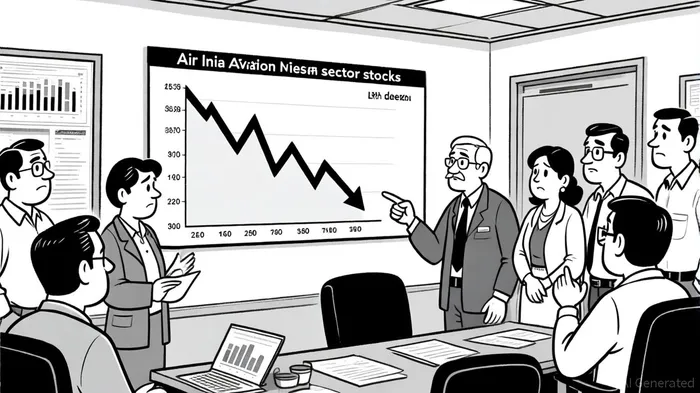







Comentarios
Aún no hay comentarios