
India's $1.9 Billion Critical Minerals Mission: A Game Changer for Energy Transition
Generado por agente de IATheodore Quinn
jueves, 30 de enero de 2025, 12:53 am ET2 min de lectura
NCSM--
India's ambitious National Critical Mineral Mission (NCMM), approved with an expenditure of Rs.16,300 crore ($1.9 billion), is set to transform the country's critical minerals landscape. The mission, launched as part of the Atmanirbhar Bharat initiative, aims to establish an effective framework for India's self-reliance in the critical mineral sector. This article explores the significance of the NCMM, its expected outcomes, and the challenges it may face.

Critical minerals, such as lithium, cobalt, copper, nickel, and rare earth elements, are essential for the production of clean energy technologies, including batteries, wind turbines, and solar panels. As India strives to achieve its net-zero emissions target by 2070, securing a steady and sustainable supply of these minerals is crucial. The NCMM is a strategic move by the Indian government to address this challenge and ensure the country's energy transition goals are met.
The NCMM: A Comprehensive Approach to Critical Mineral Security
The National Critical Mineral Mission encompasses all stages of the value chain, from mineral exploration and mining to processing, recovery, and recycling. The mission aims to:
1. Intensify exploration efforts within the country and in its offshore areas to discover new reserves.
2. Create a fast-track regulatory approval process for critical mineral mining projects.
3. Offer financial incentives for critical mineral exploration and promote the recovery of these minerals from overburden and tailings.
4. Develop a stockpile of critical minerals within the country to manage price volatility and ensure a steady supply.
5. Establish mineral processing parks and support the recycling of critical minerals.
6. Promote research in critical mineral technologies and set up a Centre of Excellence on Critical Minerals.
7. Encourage Indian PSUs and private sector companies to acquire critical mineral assets abroad and enhance trade with resource-rich countries.
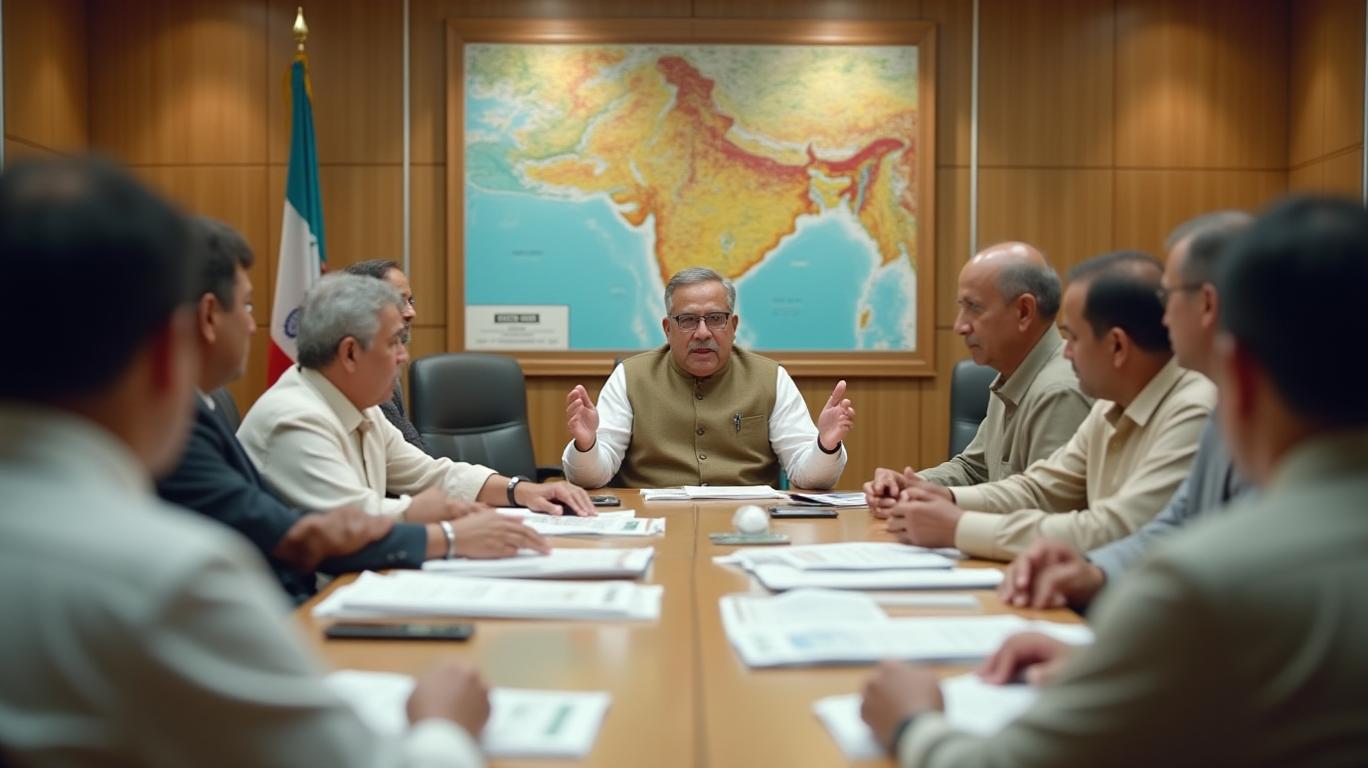
India has significant reserves of critical minerals, including graphite, lithium, ilmenite (titanium), phosphorous, potash, and rare earth elements. However, the country's dependence on imports for a substantial portion of its critical mineral requirements highlights the need for a comprehensive approach to secure a sustainable supply. The NCMM is designed to address this challenge and ensure India's energy transition goals are met.
Challenges and Roadblocks in Implementing the NCMM
While the NCMM presents a promising opportunity for India to secure its critical mineral supply, several challenges and potential roadblocks may hinder its successful implementation:
1. Limited domestic reserves and dependence on imports: India's limited reserves of critical minerals necessitate a focus on exploration and diversification of import sources.
2. Inadequate infrastructure and technology: The mining sector in India lacks adequate infrastructure and advanced technology, which hampers the efficient extraction and processing of critical minerals.
3. Regulatory hurdles and environmental concerns: The mining sector in India is plagued by regulatory hurdles and environmental concerns, which may slow down the implementation of the NCMM.
4. Lack of skilled workforce: The mining sector in India faces a shortage of skilled workforce, which hinders the efficient operation of mines and processing facilities.
5. Geopolitical tensions and competition: The global rush for critical minerals has led to geopolitical tensions and competition among nations, which may impact India's efforts to secure a steady supply of these minerals.
Conclusion: A Promising Future for India's Critical Mineral Sector
The National Critical Mineral Mission is a strategic and comprehensive approach to securing India's critical mineral supply. By addressing the challenges and roadblocks in its implementation, India can ensure the successful execution of the NCMM and secure a reliable and sustainable supply of critical minerals for its energy transition and technological advancements. The NCMM presents a promising future for India's critical mineral sector, paving the way for the country's clean energy transition and economic growth.
India's ambitious National Critical Mineral Mission (NCMM), approved with an expenditure of Rs.16,300 crore ($1.9 billion), is set to transform the country's critical minerals landscape. The mission, launched as part of the Atmanirbhar Bharat initiative, aims to establish an effective framework for India's self-reliance in the critical mineral sector. This article explores the significance of the NCMM, its expected outcomes, and the challenges it may face.
Critical minerals, such as lithium, cobalt, copper, nickel, and rare earth elements, are essential for the production of clean energy technologies, including batteries, wind turbines, and solar panels. As India strives to achieve its net-zero emissions target by 2070, securing a steady and sustainable supply of these minerals is crucial. The NCMM is a strategic move by the Indian government to address this challenge and ensure the country's energy transition goals are met.
The NCMM: A Comprehensive Approach to Critical Mineral Security
The National Critical Mineral Mission encompasses all stages of the value chain, from mineral exploration and mining to processing, recovery, and recycling. The mission aims to:
1. Intensify exploration efforts within the country and in its offshore areas to discover new reserves.
2. Create a fast-track regulatory approval process for critical mineral mining projects.
3. Offer financial incentives for critical mineral exploration and promote the recovery of these minerals from overburden and tailings.
4. Develop a stockpile of critical minerals within the country to manage price volatility and ensure a steady supply.
5. Establish mineral processing parks and support the recycling of critical minerals.
6. Promote research in critical mineral technologies and set up a Centre of Excellence on Critical Minerals.
7. Encourage Indian PSUs and private sector companies to acquire critical mineral assets abroad and enhance trade with resource-rich countries.
India has significant reserves of critical minerals, including graphite, lithium, ilmenite (titanium), phosphorous, potash, and rare earth elements. However, the country's dependence on imports for a substantial portion of its critical mineral requirements highlights the need for a comprehensive approach to secure a sustainable supply. The NCMM is designed to address this challenge and ensure India's energy transition goals are met.
Challenges and Roadblocks in Implementing the NCMM
While the NCMM presents a promising opportunity for India to secure its critical mineral supply, several challenges and potential roadblocks may hinder its successful implementation:
1. Limited domestic reserves and dependence on imports: India's limited reserves of critical minerals necessitate a focus on exploration and diversification of import sources.
2. Inadequate infrastructure and technology: The mining sector in India lacks adequate infrastructure and advanced technology, which hampers the efficient extraction and processing of critical minerals.
3. Regulatory hurdles and environmental concerns: The mining sector in India is plagued by regulatory hurdles and environmental concerns, which may slow down the implementation of the NCMM.
4. Lack of skilled workforce: The mining sector in India faces a shortage of skilled workforce, which hinders the efficient operation of mines and processing facilities.
5. Geopolitical tensions and competition: The global rush for critical minerals has led to geopolitical tensions and competition among nations, which may impact India's efforts to secure a steady supply of these minerals.
Conclusion: A Promising Future for India's Critical Mineral Sector
The National Critical Mineral Mission is a strategic and comprehensive approach to securing India's critical mineral supply. By addressing the challenges and roadblocks in its implementation, India can ensure the successful execution of the NCMM and secure a reliable and sustainable supply of critical minerals for its energy transition and technological advancements. The NCMM presents a promising future for India's critical mineral sector, paving the way for the country's clean energy transition and economic growth.

Divulgación editorial y transparencia de la IA: Ainvest News utiliza tecnología avanzada de Modelos de Lenguaje Largo (LLM) para sintetizar y analizar datos de mercado en tiempo real. Para garantizar los más altos estándares de integridad, cada artículo se somete a un riguroso proceso de verificación con participación humana.
Mientras la IA asiste en el procesamiento de datos y la redacción inicial, un miembro editorial profesional de Ainvest revisa, verifica y aprueba de forma independiente todo el contenido para garantizar su precisión y cumplimiento con los estándares editoriales de Ainvest Fintech Inc. Esta supervisión humana está diseñada para mitigar las alucinaciones de la IA y garantizar el contexto financiero.
Advertencia sobre inversiones: Este contenido se proporciona únicamente con fines informativos y no constituye asesoramiento profesional de inversión, legal o financiero. Los mercados conllevan riesgos inherentes. Se recomienda a los usuarios que realicen una investigación independiente o consulten a un asesor financiero certificado antes de tomar cualquier decisión. Ainvest Fintech Inc. se exime de toda responsabilidad por las acciones tomadas con base en esta información. ¿Encontró un error? Reportar un problema


SOBRE NOSOTROS
Nuestra historiaAutores de noticiasBase de conocimientosPolítica de privacidadTérmino de usoDescargo de responsabilidad de corretaje de tercerosTérminos de uso de AIMEDivulgaciones de riesgos de AInvest AICarrerasCONTÁCTENOS
Email: support@ainvest.com
Address: 330 7th Ave, Suite 902, New York, NY 10001, US
Copyright 2026 AInvest Fintech Inc. All rights reserved.


Comentarios
Aún no hay comentarios