
Implications of U.S. Vaccine Panel's New Pregnancy and Childhood Vaccination Working Groups on Biopharma Innovation and Market Growth
The U.S. Advisory Committee on Immunization Practices (ACIP) has embarked on a contentious reevaluation of vaccine policies, establishing two new working groups to scrutinize the cumulative effects of childhood immunization schedules and reassess vaccines not reviewed in over seven years[1]. This overhaul, spearheaded by Health and Human Services Secretary Robert F. Kennedy, Jr., has replaced the ACIP's original 17 members with a smaller, ideologically diverse group, including individuals with documented skepticism about vaccine safety[2]. While public health experts have raised alarms about the potential politicization of scientific decision-making[3], the changes present both risks and opportunities for biopharmaceutical companies operating in pediatric and maternal immunization pipelines.
Regulatory Uncertainty and R&D Prioritization
The new working groups are examining vaccines such as the hepatitis B shot administered at birth and the MMRV combination vaccine[4]. This scrutiny could delay or alter recommendations for existing products, creating regulatory uncertainty for manufacturers. For instance, Sanofi's BEYFORTUS, a maternal RSV vaccine that reduced infant hospitalizations by 69% in Spain[5], faces potential reevaluation if the ACIP questions the timing or efficacy of maternal immunization programs. Similarly, Pfizer's ABRYSVO, an RSV vaccine in phase 1 trials[6], may encounter hurdles if the working groups challenge the current RSV prevention paradigm.
However, the focus on cumulative vaccine effects could also spur innovation. Companies like BrainChild Bio, leveraging CAR-T technology for pediatric CNS tumors[7], may benefit from a regulatory environment that prioritizes novel approaches to unmet medical needs. The ACIP's emphasis on vaccine ingredient load and timing could drive demand for streamlined, multivalent vaccines—such as Sanofi's Hexaxim—which combine multiple antigens into single doses[8].
Market Growth and Investment Opportunities
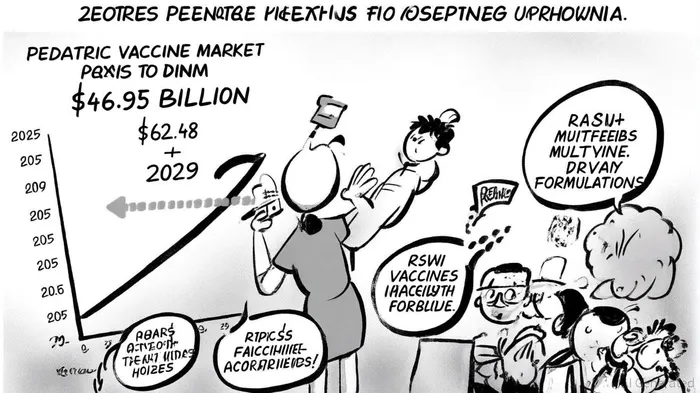
The pediatric vaccine market is projected to grow from $46.95 billion in 2025 to $62.48 billion by 2029, driven by multivalent vaccines and combination products[9]. Multivalent vaccines, which accounted for 29.31% of the market in 2023, are expected to outpace monovalent vaccines due to their convenience and broader disease coverage[10]. This trend aligns with ACIP's potential push for simplified immunization schedules.
Maternal immunization is another high-growth segment. The MMR vaccine market alone is forecasted to expand at a 8.42% CAGR, reaching $3.04 billion by 2030[11]. SanofiSNY-- and GSKGSK--, leaders in maternal influenza and Tdap vaccines[12], are well-positioned to capitalize on this growth, particularly as real-world data from programs like BEYFORTUS demonstrate the public health benefits of maternal immunization[13].
Risks and Strategic Considerations
The ACIP's reorientation introduces significant risks. A report by the Commonwealth Fund notes that regulatory delays or revised recommendations could disrupt immunization schedules, exacerbating preventable disease outbreaks[14]. For example, if the working groups question the safety of the MMR vaccine, it could undermine confidence in childhood immunization programs and reduce demand for related products[15].
Investors must also consider the geopolitical landscape. Global trade tensions and tariffs are already increasing vaccine costs, potentially slowing market expansion[16]. However, companies with diversified supply chains—such as MerckMRK--, which dominates 30.82% of the pediatric vaccine market[17]—may mitigate these risks through strategic partnerships and localized manufacturing.
Conclusion
The ACIP's new working groups represent a pivotal moment for biopharma innovation. While regulatory uncertainty poses challenges, the focus on cumulative vaccine effects and maternal immunization creates opportunities for companies with robust R&D pipelines and agile manufacturing capabilities. Investors should prioritize firms like Sanofi, PfizerPFE--, and GSK, which are advancing next-generation vaccines and demonstrating real-world efficacy. As the U.S. vaccine landscape evolves, the ability to navigate regulatory shifts while addressing unmet medical needs will define the next era of growth in pediatric and maternal immunization.





Comentarios
Aún no hay comentarios