
The Implications of Chubu Electric's Nuclear Safety Data Scandal for Japan's Energy Transition and Utility Sector
Japan's energy transition, already a delicate balancing act between decarbonization goals and public skepticism, has faced a new setback with Chubu Electric Power Co.'s seismic data scandal. The revelation that the utility used potentially inaccurate data in its safety review of the Hamaoka nuclear plant has triggered regulatory scrutiny, a sharp decline in investor confidence, and renewed debates over the role of nuclear energy in Japan's energy security strategy. This analysis examines the regulatory and market implications of the scandal, focusing on how it exacerbates existing challenges in Japan's energy sector and reshapes investor sentiment in energy security-driven markets.
Regulatory Risk: A Crisis of Trust and Oversight
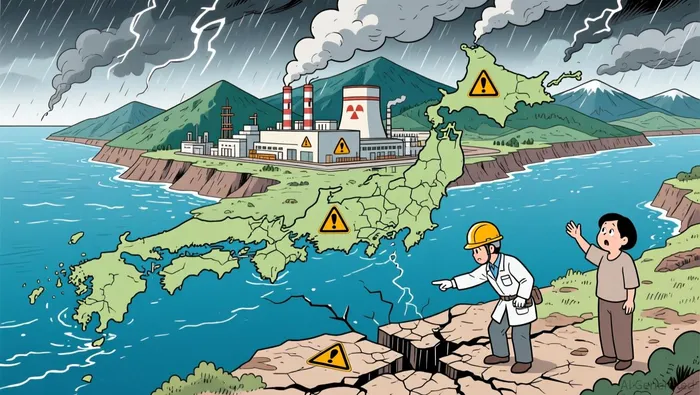
The scandal has exposed critical vulnerabilities in Japan's nuclear regulatory framework. The Japanese Nuclear Regulation Authority (NRA) suspended its safety review of the Hamaoka plant after Chubu Electric admitted to using a different method than disclosed for selecting seismic data, potentially underestimating earthquake risks. This irregularity, uncovered by an internal investigation triggered by an external tip in February 2025, has led the NRA to question the company's eligibility to operate. The regulator's decision to halt the review reflects a broader shift toward stricter oversight, particularly in seismically sensitive regions like the Nankai Trough, where the Hamaoka plant is located.
The incident has also accelerated calls for systemic reforms. Japan's 2025 amendments to the , which now extend protections to freelancers and former contractors, underscore the government's recognition of governance gaps exposed by scandals at companies like Toshiba and Fujitsu. These reforms, however, may not fully address the cultural challenges of a corporate environment historically resistant to accountability. The NRA's potential decision to halt operations at Hamaoka entirely could set a precedent for stricter penalties for non-compliance, further complicating the restart of other reactors.
Investor Sentiment: A Market in Retreat
The scandal has had an immediate and severe impact on investor confidence. Chubu Electric's shares in early January 2026-the largest decline since April 2025-reflecting fears of regulatory delays and reputational damage. This volatility highlights the fragility of investor trust in Japan's nuclear sector, which already faces public opposition due to the 2011 Fukushima disaster. The incident also raises questions about the viability of nuclear energy as a cornerstone of Japan's energy security strategy.
Investor behavior in energy markets has been increasingly shaped by the interplay of energy security and decarbonization. While Japan's , the Chubu scandal has intensified scrutiny of the sector's reliability. In contrast, renewable energy projects have attracted growing interest, with solar and offshore wind expected to dominate . The recent $500 million green bond issued by Hokkaido Electric Power Company to restart its Tomari reactors demonstrates that nuclear projects can still attract capital-but only if they align with evolving ESG standards and demonstrate transparency.
Energy Security and the Path Forward
Japan's energy transition is constrained by its reliance on imported fossil fuels, which of its electricity generation. The government's 7th Strategic Energy Plan, approved in 2025, retains a role for liquefied natural gas (LNG) as a transitional fuel, but geopolitical tensions and rising import costs are pushing policymakers to accelerate nuclear and renewable investments. The Chubu scandal, however, has complicated this agenda by reinforcing public concerns about safety and regulatory laxity.
The incident also underscores the broader risks of over-reliance on nuclear energy in a seismically active region. While the Hamaoka plant's restart was intended to bolster regional energy security, the scandal has shifted the narrative toward diversification and resilience. Investors are increasingly favoring projects with lower regulatory and operational risks, such as solar farms and hydrogen infrastructure, which align with Japan's GX Transition Bonds and Long-Term Decarbonisation Auction (LTDA) programs.
Conclusion: A Tipping Point for Japan's Energy Strategy
The Chubu Electric scandal is a pivotal moment for Japan's energy transition. It has exposed the fragility of regulatory oversight, eroded investor confidence in nuclear projects, and intensified the debate over the role of nuclear energy in a post-Fukushima world. While the government's GX policy and renewable energy targets remain ambitious, the incident highlights the need for stronger governance frameworks, transparent data practices, and a diversified energy mix. For investors, the lesson is clear: energy security in Japan will require not only technological innovation but also a renewed commitment to accountability and public trust.







Comentarios
Aún no hay comentarios