
Implications of the 2025 National Shredded Cheese Recall on Food Safety Stocks and Consumer Behavior
Consumer Behavior Shifts: Trust Erosion and Demand for Alternatives
The recall has accelerated a long-term trend of consumer skepticism toward conventional food products. According to a report by , , such as cheese, following a recall. Similarly, to repurchase the same brand or product after a recall, with millennials and Gen Z demonstrating greater caution than older demographics. This erosion of trust is compounded by the recall's scale: , including Borden, Aldi, and WalmartWMT--, were implicated, amplifying reputational damage across the industry.
Simultaneously, the crisis has intensified demand for alternative proteins. A 2025 global survey by , with health and sustainability as primary drivers. The plant-based cheese market, in particular, is poised to benefit, with projections indicating growth . This shift is further supported by advancements in and , which are enabling the development of dairy-free alternatives with improved taste and texture.
Food Safety Stocks: Risks and Tech-Driven Opportunities
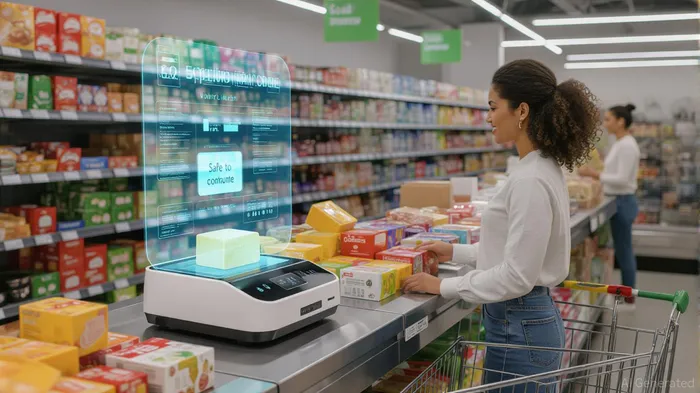
The recall underscores the fragility of traditional supply chains, particularly in the dairy sector, which . For food safety stocks, this crisis highlights both risks and opportunities. On one hand, companies reliant on outdated quality control systems face reputational and financial losses. On the other, demand is surging for technologies that enhance traceability and contamination detection.
Startups like Ecotrace and are emerging as key players in this space. Ecotrace's blockchain-powered traceability platform allows brands to pinpoint contamination sources in complex supply chains, minimizing recall scope and financial losses. FluiDect's Fluorescent Resonator Signature (FRS) biosensor technology enables real-time pathogen detection, reducing production halts and enhancing safety protocols. These innovations align with the FDA's upcoming Digital Food Traceability Rule (2026), which mandates enhanced supply chain transparency. Investors are taking note: funding for food safety tech startups rebounded , with precision fermentation and AI-driven diagnostics attracting significant capital.
Alternative Protein Sector: A Post-Recall Growth Catalyst
The recall has also accelerated interest in alternative proteins, particularly as consumers seek safer, more transparent food sources. The global alternative protein market, , is , driven by plant-based and lab-grown innovations. , , is nearing cost parity with traditional proteins, .
However, challenges persist. , for instance, faces regulatory hurdles and high production costs, while plant-based proteins must compete with entrenched consumer preferences. Despite these headwinds, the sector's resilience is evident: hybrid proteins (blending plant and animal sources) and upcycled ingredients are gaining traction, offering scalable solutions for flexitarians. Meanwhile, regulatory clarity-such as the FDA's updated allergen labeling guidelines-will be critical for market expansion.
Retailer Responses and Market Implications
Retailers like Walmart, TargetTGT--, and Aldi have faced immediate operational disruptions, with . However, these retailers are also adapting by accelerating partnerships with alternative protein suppliers. For example, Albert Heijn's launch of a pea-protein-based plant salmon and Loka's lupin flour chips reflect a broader strategy to diversify offerings and mitigate supply chain risks. Such moves signal a shift toward diversification, with retailers increasingly prioritizing sustainability and food safety in vendor selection.
Conclusion: Navigating the Post-Recall Landscape
The 2025 cheese recall serves as a wake-up call for the food industry, exposing vulnerabilities in supply chain management while catalyzing demand for safer, more transparent alternatives. For investors, the crisis highlights two key opportunities:
1. : Companies like Ecotrace and FluiDect are well-positioned to capitalize on regulatory mandates and consumer demand for traceability.
2. : The plant-based and precision-fermented sectors are gaining momentum, supported by shifting consumer behavior and technological advancements.
While risks remain-particularly for traditional dairy producers-the recall underscores a broader industry transformation. As the FDA and global regulators tighten food safety standards, the market will increasingly reward innovation and transparency. For investors, the path forward lies in balancing short-term risks with long-term opportunities in a sector poised for reinvention.





Comentarios
Aún no hay comentarios