
The Impact of Solar Radiation on Aviation: A New Risk for Aerospace and Airline Stocks
Operational Disruptions and Immediate Market Reactions
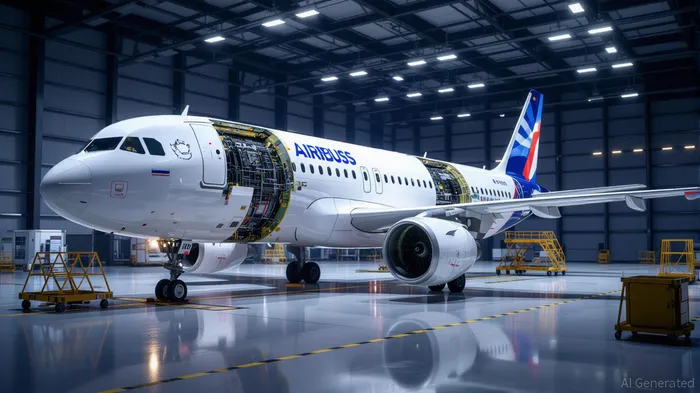
The crisis began with an uncommanded pitch-down event on JetBlueJBLU-- Flight 1230, linked to corrupted data in the aircraft's ELAC 2 flight control system due to intense solar radiation. Airbus and regulators responded with an urgent software and hardware update, requiring airlines to ground affected aircraft , . , particularly for carriers like American Airlines, Delta, and Air India, which operate large numbers of A320s. While most aircraft can be updated quickly, , prolonging disruptions.
This incident highlights a systemic risk: modern fly-by-wire systems, while efficient, are more susceptible to electromagnetic interference than traditional mechanical controls. According to a Bloomberg report, the issue could prompt airlines to incur higher maintenance costs and insurance premiums, while aerospace firms face pressure to develop radiation-resistant technologies. For investors, the immediate concern is the operational volatility affecting airline revenues during peak travel seasons.
Solar Radiation Risks and Mitigation Strategies
The aviation industry has long recognized solar radiation as a health risk for flight crews and passengers, particularly at high altitudes. (GCRs) and (SEPs) increase radiation exposure, prompting airlines to adopt the (As Low As Reasonably Achievable) strategy. This includes adjusting flight altitudes and routes to leverage Earth's magnetic field shielding according to research. However, the Airbus incident reveals a gap in addressing radiation's impact on avionics systems.
Experts emphasize that real-time and computational models are now critical for flight planning according to experts. Yet, the industry's preparedness remains uneven. , with solar radiation mitigation not yet a top priority. This lack of preparedness could amplify financial risks for airlines, especially as solar activity cycles intensify.
Long-Term Financial Implications for Stocks
The Airbus crisis is a harbinger of broader challenges. Aerospace manufacturers may face increased R&D costs to harden avionics against radiation, while airlines could see higher operational expenses for software updates, hardware replacements, and insurance according to analysis. For example, the cost of retrofitting older aircraft with radiation-resistant components could strain budgets already pressured by decarbonization goals and sustainable aviation fuel (SAF) investments according to a study.
Investors must also consider how regulatory responses might evolve. The FAA and EASA's swift action in this case sets a precedent for stricter safety mandates, potentially increasing compliance costs. Meanwhile, the financial sector is beginning to price in these risks. A 2025 analysis by Risk and Insurance noted . This suggests that aerospace and airline stocks could face valuation pressures unless companies demonstrate robust mitigation strategies.
Strategic Considerations for Investors
For aerospace stocks, the key question is whether firms like Airbus and BoeingBA-- can innovate cost-effectively to address radiation risks without eroding profit margins. Investors should monitor R&D spending and partnerships with space weather monitoring firms. For airlines, the focus should be on operational flexibility-how quickly carriers can adapt to disruptions and whether they can pass costs to passengers through dynamic pricing.
In the broader market, the Airbus incident may accelerate interest in alternative technologies, such as hybrid-electric aircraft with reduced reliance on vulnerable avionics systems. However, these solutions remain years from commercialization. In the interim, airlines with diversified fleets and strong liquidity positions-such as those with a mix of A320 and A350 models-may be better positioned to weather disruptions.
Conclusion
The Airbus A320 software update crisis is more than a technical glitch; it is a wake-up call for the aviation industry and its investors. Solar radiation risks, once considered a niche concern, are now a tangible threat to operational continuity and financial stability. As regulators tighten safety standards and airlines scramble to adapt, the aerospace sector must balance innovation with cost control. For investors, the lesson is clear: assessing both operational and market vulnerabilities in the face of emerging risks will be critical to navigating the next phase of aviation's evolution.





Comentarios
Aún no hay comentarios