
Immigration Policy Risks and the Hidden Labor Crisis in Alcohol & Leisure Stocks: A Contrarian Opportunity in Constellation Brands (STZ)?
The U.S. alcohol and leisure industries are facing a silent crisis—one rooted not in consumer preferences or economic cycles, but in the unintended consequences of immigration policies. For Constellation BrandsSTZ-- (STZ), the maker of Corona and Modelo beers, and casinos like PennPENN-- National (PENN) and Caesars EntertainmentCZR-- (CZR), the Trump-era crackdown on immigration has created a perfect storm of labor shortages and consumer caution. While STZ's Q1 2025 net income surged 545% due to cost-cutting and premium wine sales, the broader risks remain unresolved. This article explores why these companies are uniquely vulnerable to immigration policy headwinds—and why investors might find value in the turbulence.
The Hispanic Consumer Conundrum: STZ's Double Whammy
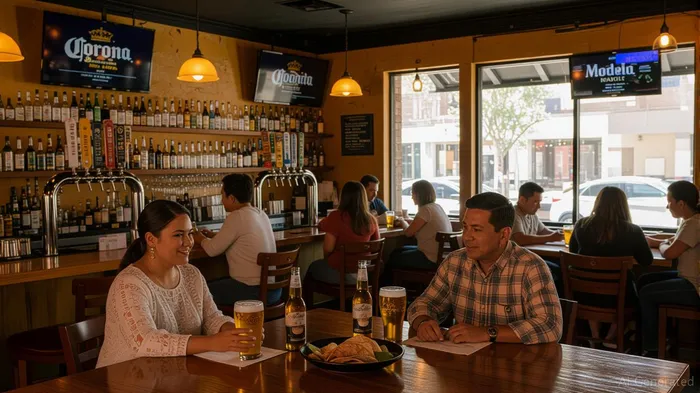
Hispanic consumers account for roughly half of Constellation's beer sales, particularly for its flagship Modelo line. Yet, Trump's immigration policies—mass deportations, ICE raids, and the elimination of programs like DACA—have created fear-driven behavioral shifts. A February 2025 survey by Constellation revealed that 75% of Hispanic buyers are dining out less, directly hitting beer sales. This explains why Modelo's sales slipped in late 2024, despite its prior dominance over Bud Light.
The financial impact is clear: STZ's Q2 2025 beer sales fell 2%, with Hispanic-focused brands like Pacifico and Corona under pressure. Even as the company's Q1 net income surged due to cost cuts and premium wine sales (its higher-margin segment), the long-term risk remains.
Casinos: Ground Zero for Labor Shortages
The leisure sector's plight is even starker. U.S. casinos rely on immigrant labor for 25–30% of their workforce, particularly in roles like housekeeping and food service. Nevada's hospitality sector faces a 15% labor shortage, exacerbated by ICE raids that have disrupted staffing stability.
Consider the data:
- 65% of hotels report staff shortages in critical roles (housekeeping: 38%, front desk: 26%).
- 56% of hospitality businesses believe immigration policies will “significantly” impact their operations over the next year.
Casinos like PENN and CZRCZR-- are doubly exposed. They depend on both immigrant labor and Hispanic tourists, who now fear traveling due to enforcement risks. While PENN's Q1 revenue rose 14% (aided by Las Vegas tourism), the company's labor costs are rising as it scrambles to fill vacancies with higher-paid U.S.-born workers.
The Contrarian Case: Buy the Dip?
STZ's stock has fallen 23% since Trump's re-election, pricing in much of the pain. Meanwhile, the company's wine division (which caters to broader demographics) and cost-cutting efforts provide a floor. The Q1 net income surge—driven by a 7% price hike on premium wines—suggests management is adapting.
For casinos, PENN's diversified portfolio (racinos, online gambling) and CZR's recent restructuring offer resilience. Yet, both face headwinds: replacing undocumented workers with H-2B visas is costly and bureaucratic, and consumer caution in Hispanic markets persists.
Risks and Investment Strategy
The key risks:
1. Policy Uncertainty: Trump's administration may tweak policies to “protect” farming or hospitality, but enforcement remains erratic.
2. Consumer Sentiment: Hispanic buyers could retreat further if raids intensify.
3. Labor Costs: Rising wages for scarce labor could eat into margins.
Investment Thesis:
- Buy STZ on dips: The stock's 23% decline since 2024 reflects near-term pain but ignores its premium wine moat and cost discipline. A 12-month price target of $200 (vs. current $165) seems reasonable if the market overreacts to policy fears.
- CZR and PENN: Hold for the long term, but avoid chasing rallies. Both need sustained labor solutions to justify current valuations.
Conclusion: Navigating the Immigration-Labor Nexus
The alcohol and leisure sectors are ground zero for the immigration policy fallout. While STZ's financial resilience is undeniable, its fate—and that of peers—depends on whether policymakers can balance enforcement with workforce stability. For investors, the turbulence creates a contrarian opportunity: companies like STZSTZ-- may be undervalued if the market underestimates their ability to adapt. Yet, patience is key—the labor crisis isn't going away anytime soon.
Final Take: Buy STZ at $165, but keep an eye on ICE raid data and labor cost trends. Casinos? Wait for a clearer policy path before jumping in.*





Comentarios
Aún no hay comentarios