
Illinois Drops Staking Lawsuit Against Coinbase: A Shift in Crypto Regulation
Generado por agente de IACyrus Cole
viernes, 4 de abril de 2025, 8:57 pm ET2 min de lectura
COIN--
The landscape of cryptocurrency regulation in the United States is undergoing a significant transformation. Illinois has announced its intention to drop its lawsuit against CoinbaseCOIN-- over the exchange’s staking program, a move that follows similar decisions by Kentucky, Vermont, and South Carolina. This shift marks a pivotal moment in the regulatory approach towards cryptocurrency staking services, potentially setting a precedent for a more unified and accommodating framework nationwide.
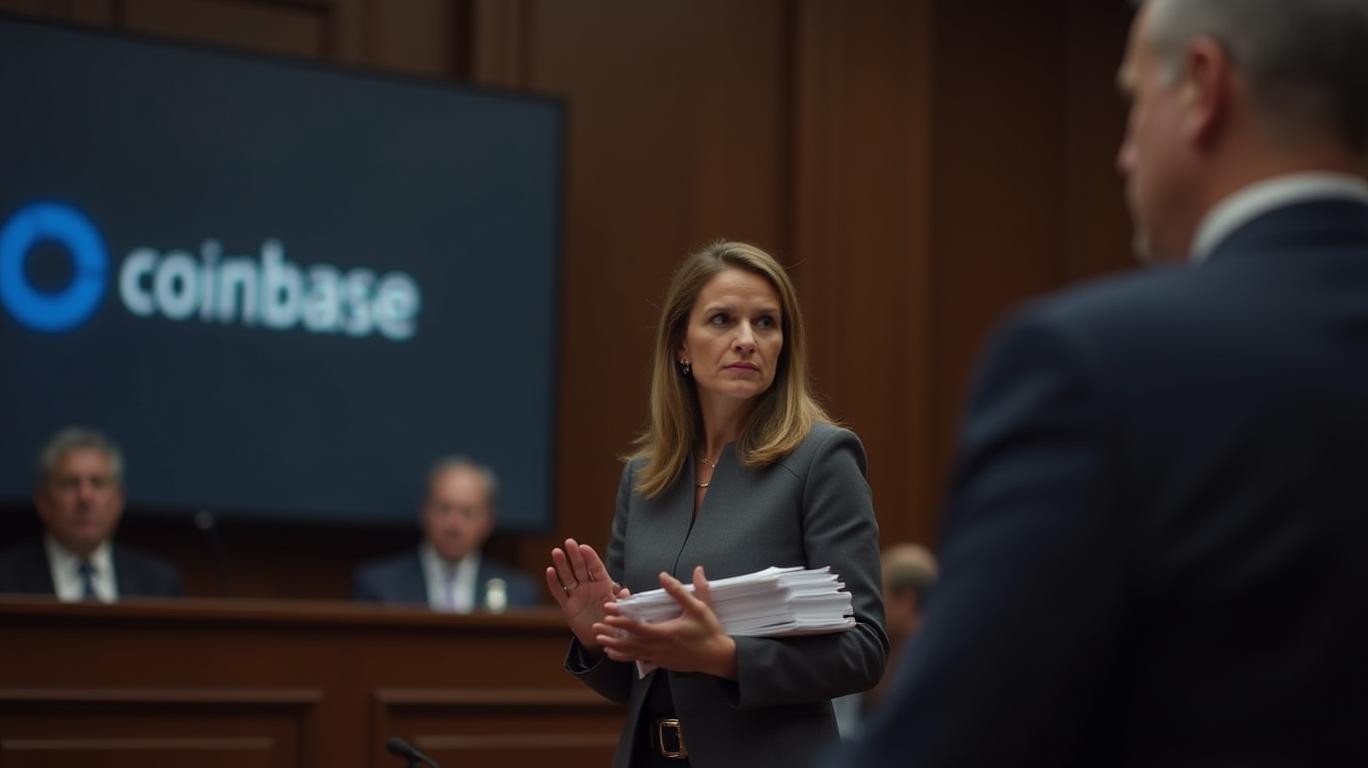
The lawsuit, initiated in 2023, was part of a broader crackdown led by a multistate task force that included regulators from various states. The legal action alleged that Coinbase had violated securities laws by offering staking services without proper registration. The staking program in question allows users to earn rewards by locking up their cryptocurrency, a practice that regulators argued functioned as an unregistered securities offering.
The U.S. Securities and Exchange Commission (SEC) had also sued Coinbase over its staking product, claiming it constituted an unregistered securities offering. However, the SEC dropped its case in February, setting a precedent for the states to follow. This decision by the SEC, along with the subsequent moves by Illinois and other states, indicates a broader trend of regulators re-evaluating their enforcement tactics in digital asset management.
Despite these developments, not all states have backed down. New Jersey and Washington State continue to pursue their cases against Coinbase, suggesting that the legal battle is far from over. The original lawsuit raised concerns that staking rewards accounts were not insured by the Federal Deposit Insurance Corporation (FDIC) or the Securities Investor Protection Corporation (SIPC), leaving investors vulnerable to potential losses. Coinbase has consistently maintained that its staking services do not constitute securities and has opposed the regulatory claims.
The decision by Illinois to drop its lawsuit reflects a broader trend of state regulators moving away from state-specific crypto lawsuits. This trend indicates a shift toward unified oversight, promoting aligned rules that better manage digital asset risks while enhancing market clarity overall. The easing of legal pressures could increase investor trust in crypto services, as users may enjoy steadier offerings and a clearer compliance framework that reassures market participants.
The implications of this trend for the future of digital asset management in the U.S. are significant. The move towards unified oversight could lead to more consistent legal frameworks that support market innovation and consumer safeguards statewide. This could increase investor trust in crypto services, as users may enjoy steadier offerings and a clearer compliance framework that reassures market participants.
Additionally, the easing of legal pressures on Coinbase's staking program suggests that regulators are beginning to recognize the potential of digital assets and the need for a more nuanced regulatory approach. While there is still some resistance, the overall trend is towards a more accommodating regulatory environment for digital assets.
In summary, the decision by Illinois to drop its lawsuit against Coinbase, along with similar moves by other states, marks a significant shift in the regulatory approach towards cryptocurrency staking services. This trend towards unified oversight and aligned rules could lead to more consistent legal frameworks that support market innovation and consumer safeguards statewide, potentially increasing investor trust and adoption rates of digital assets. However, ongoing cases in states like Washington and New Jersey suggest that the legal battle is far from over, and the future of digital asset regulation remains uncertain.
The landscape of cryptocurrency regulation in the United States is undergoing a significant transformation. Illinois has announced its intention to drop its lawsuit against CoinbaseCOIN-- over the exchange’s staking program, a move that follows similar decisions by Kentucky, Vermont, and South Carolina. This shift marks a pivotal moment in the regulatory approach towards cryptocurrency staking services, potentially setting a precedent for a more unified and accommodating framework nationwide.
The lawsuit, initiated in 2023, was part of a broader crackdown led by a multistate task force that included regulators from various states. The legal action alleged that Coinbase had violated securities laws by offering staking services without proper registration. The staking program in question allows users to earn rewards by locking up their cryptocurrency, a practice that regulators argued functioned as an unregistered securities offering.
The U.S. Securities and Exchange Commission (SEC) had also sued Coinbase over its staking product, claiming it constituted an unregistered securities offering. However, the SEC dropped its case in February, setting a precedent for the states to follow. This decision by the SEC, along with the subsequent moves by Illinois and other states, indicates a broader trend of regulators re-evaluating their enforcement tactics in digital asset management.
Despite these developments, not all states have backed down. New Jersey and Washington State continue to pursue their cases against Coinbase, suggesting that the legal battle is far from over. The original lawsuit raised concerns that staking rewards accounts were not insured by the Federal Deposit Insurance Corporation (FDIC) or the Securities Investor Protection Corporation (SIPC), leaving investors vulnerable to potential losses. Coinbase has consistently maintained that its staking services do not constitute securities and has opposed the regulatory claims.
The decision by Illinois to drop its lawsuit reflects a broader trend of state regulators moving away from state-specific crypto lawsuits. This trend indicates a shift toward unified oversight, promoting aligned rules that better manage digital asset risks while enhancing market clarity overall. The easing of legal pressures could increase investor trust in crypto services, as users may enjoy steadier offerings and a clearer compliance framework that reassures market participants.
The implications of this trend for the future of digital asset management in the U.S. are significant. The move towards unified oversight could lead to more consistent legal frameworks that support market innovation and consumer safeguards statewide. This could increase investor trust in crypto services, as users may enjoy steadier offerings and a clearer compliance framework that reassures market participants.
Additionally, the easing of legal pressures on Coinbase's staking program suggests that regulators are beginning to recognize the potential of digital assets and the need for a more nuanced regulatory approach. While there is still some resistance, the overall trend is towards a more accommodating regulatory environment for digital assets.
In summary, the decision by Illinois to drop its lawsuit against Coinbase, along with similar moves by other states, marks a significant shift in the regulatory approach towards cryptocurrency staking services. This trend towards unified oversight and aligned rules could lead to more consistent legal frameworks that support market innovation and consumer safeguards statewide, potentially increasing investor trust and adoption rates of digital assets. However, ongoing cases in states like Washington and New Jersey suggest that the legal battle is far from over, and the future of digital asset regulation remains uncertain.

Divulgación editorial y transparencia de la IA: Ainvest News utiliza tecnología avanzada de Modelos de Lenguaje Largo (LLM) para sintetizar y analizar datos de mercado en tiempo real. Para garantizar los más altos estándares de integridad, cada artículo se somete a un riguroso proceso de verificación con participación humana.
Mientras la IA asiste en el procesamiento de datos y la redacción inicial, un miembro editorial profesional de Ainvest revisa, verifica y aprueba de forma independiente todo el contenido para garantizar su precisión y cumplimiento con los estándares editoriales de Ainvest Fintech Inc. Esta supervisión humana está diseñada para mitigar las alucinaciones de la IA y garantizar el contexto financiero.
Advertencia sobre inversiones: Este contenido se proporciona únicamente con fines informativos y no constituye asesoramiento profesional de inversión, legal o financiero. Los mercados conllevan riesgos inherentes. Se recomienda a los usuarios que realicen una investigación independiente o consulten a un asesor financiero certificado antes de tomar cualquier decisión. Ainvest Fintech Inc. se exime de toda responsabilidad por las acciones tomadas con base en esta información. ¿Encontró un error? Reportar un problema


SOBRE NOSOTROS
Nuestra historiaAutores de noticiasBase de conocimientosPolítica de privacidadTérmino de usoDescargo de responsabilidad de corretaje de tercerosTérminos de uso de AIMEDivulgaciones de riesgos de AInvest AICarrerasCONTÁCTENOS
Email: support@ainvest.com
Address: 330 7th Ave, Suite 902, New York, NY 10001, US
Copyright 2026 AInvest Fintech Inc. All rights reserved.


Comentarios
Aún no hay comentarios