
Ikea leads 27% energy cost cut with 75% self-generated renewables as EU invests €1.5 trillion in green transition
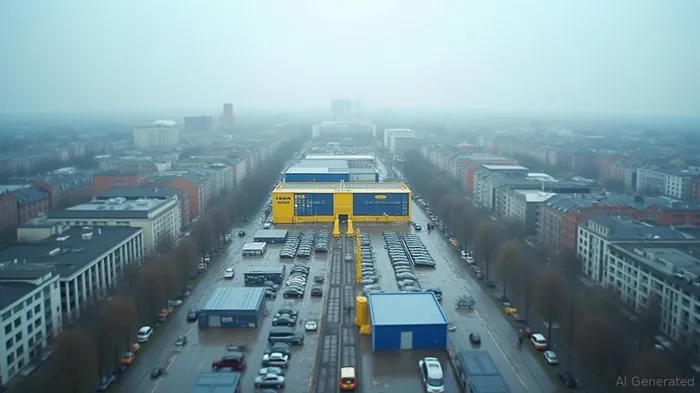
Ikea and other European businesses are pivering toward renewable energy, driven by both environmental concerns and economic incentives. Since 2009, Ikea’s parent franchisee, Ingka, has invested over €4.2 billion in renewable power, generating 75% of the company’s electricity needs. This has cut energy costs by 27% and reduced CO2 emissions by 30% since 2015, while sales have grown by 24%. The shift has transformed the furniture giant into an energy player, with its wind and solar farms capable of powering 1.47 million EU households [1].
The push toward clean energy is part of a broader EU strategy. The Clean Industrial Deal, announced in February, emphasizes the competitiveness of renewable energy rather than moral appeals, aiming to cut energy costs and support low-carbon manufacturing. It plans to mobilize €100 billion in EU funding for hard-to-abate industries like steel and chemicals, with the Commission predicting over 500,000 new jobs and competitive opportunities in green sectors [1].
Start-up Stegra is one business capitalizing on this shift. It has raised €6.5 billion, including a €250 million EU grant, to build a green steel plant in Sweden. Using 100% renewable power, the plant aims to produce 5 million tonnes of green steel annually by 2030, with a 95% smaller carbon footprint than traditional methods. Despite a 25%-30% price premium over brown steel, Stegra has already secured 1.25 million tonnes in forward sales, driven by long-term cost considerations rather than brand image [1].
However, achieving the EU’s 2030 target of 69% renewable electricity and 42.5% total energy from renewables remains a significant challenge. As of 2023, Europe had 786 gigawatts of installed renewable capacity—up 79% since 2014—but must nearly double to 1,236 gigawatts to meet the goal, at an estimated cost of €1.5 trillion. Grid upgrades are also essential, as renewable sources are often located far from urban centers and require more interconnectors and storage to manage variability [1].
Experts emphasize the need for regulatory reform to attract investment. Francesco Starace, a former Enel CEO and partner at EQTEQT--, argues that regulators must incentivize investment in grids and storage rather than discourage it. He highlights battery storage as the next big opportunity, capable of stabilizing the grid and offering competitive returns [1].
The transition to renewable energy is reshaping business strategies across Europe. Companies like Ikea and Stegra are no longer waiting for external forces to drive change—they are actively seeking competitive advantages in a green economy. As the EU’s regulatory and investment frameworks evolve, the challenge will be balancing the upfront costs of infrastructure with the long-term benefits of lower marginal energy costs and energy independence [1].
Source: [1] As Europe pushes towards its €1.5 trillion renewables target, companies like Ikea look for green power opportunities today (https://fortune.com/europe/2025/08/04/europe-pushes-towards-1-5-trillion-renewables-target-ikea-stegra-green-power-opportunities-solar-jesper-brodin/)







Comentarios
Aún no hay comentarios